
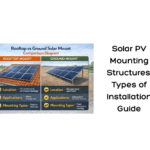
Solar PV Mounting Structures: Types & Installation Guide
A complete guide to solar mounting structures types in PV systems, covering fixed tilt, tracking, and rooftop installations for installers.
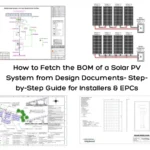
How to Fetch the BOM of a Solar PV System from Design Documents: Step-by-Step Guide for Installers & EPCs
Learn how to prepare a detailed Bill of Material (BOM) for solar PV systems using design documents like SLDs and layouts. This step-by-step guide helps installers ensure accurate material planning, reduce errors, and improve project execution.
How to Connect Solar Panels to Battery: Step-by-Step Guide
Connecting solar panels to a battery is essential for storing solar energy and ensuring power availability when sunlight is low. This step-by-step guide explains how to connect solar panels to a battery safely using a charge controller, wiring diagrams, and best practices for beginners and professionals alike.
Should You Switch to Solar in India? Complete Guide
India has become a hot-selling solar market and people are interested in installing solar systems in their homes as well as in industries and factories.

SECI Sets Record in Renewable Energy Trading, Surpasses ₹100 Billion
SECI achieves record renewable power trading revenue surpassing ₹100 billion, marking a milestone in India’s clean energy growth and solar market expansion.
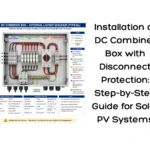
Installation of DC Combiner Box with Disconnect Protection: Step-by-Step Guide
A DC combiner box is an important protection component in solar PV systems. This guide explains its installation, disconnect protection, wiring, and safety requirements.
Difference Between Single-Phase and Three-Phase Voltage and Its Use for Solar PV Installer – Complete Guide
Understanding the difference between single-phase and three-phase voltage is essential for solar PV installers. While single-phase supply is common in residential systems, three-phase power is widely used in commercial and industrial solar projects. This complete guide explains electrical phase differences, applications in solar installations, and how choosing the right phase connection impacts system efficiency, safety, and performance.
End of Rooftop Solar Subsidy for Industrial & Commercial Consumers: What You Need to Know
The rooftop solar subsidy for industrial and commercial consumers is coming to an end. This guide explains the implications for businesses, updated policies, and strategies to adopt solar power without relying on subsidies.