
In solar photovoltaic (PV) projects, safety is not an option, it is a necessity. Whether it’s a rooftop installation or a large-scale solar plant, a well-implemented site safety plan and a clean, organized work area are critical for preventing accidents, ensuring smooth operations, and maintaining project quality.
Neglecting safety practices can lead to injuries, equipment damage, delays, and increased solar installation charges. A structured safety approach not only protects workers but also enhances productivity and ensures efficient solar electricity generation.
Safety management is a core component of successful renewable solar installations.
This blog provides a complete guide to implementing a site safety plan and maintaining a clear work area, aligned with industry standards and training practices.
Importance of Site Safety in Solar Projects
A proper safety plan ensures:
- Protection of workers
- Prevention of accidents
- Smooth project execution
- Compliance with regulations
- Reduced solar energy installation cost
A safe site leads to better productivity and reliable solar electricity generation.
Key Elements of a Site Safety Plan
1. Risk Assessment
- Identify potential hazards
- Evaluate risk levels
2. Safety Policies
- Define safety rules and procedures
- Ensure compliance by all workers
3. Emergency Response Plan
- Prepare for accidents and emergencies
- Ensure quick response
4. Training and Awareness
- Conduct safety training sessions
- Educate workers on risks
5. Safety Equipment
- Provide PPE
- Ensure proper usage
Common Hazards in Solar Projects
1. Working at Heights
Risk of falls during rooftop installations.
2. Electrical Hazards
Risk of shocks and short circuits.
3. Material Handling
Heavy equipment can cause injuries.
4. Slips and Trips
Caused by cluttered work areas.
5. Weather Conditions
Rain, heat, and wind can create unsafe conditions.

Maintaining a Clear Work Area
1. Proper Material Storage
- Store materials in designated areas
- Avoid clutter
2. Organized Cable Management
- Route cables neatly
- Prevent tripping hazards
3. Waste Management
- Dispose of waste regularly
- Keep the site clean
4. Clear Pathways
- Maintain access routes
- Ensure easy movement
5. Tool Management
- Keep tools in designated locations
- Avoid leaving tools unattended
Step-by-Step Guide to Implement a Site Safety Plan
Step 1 – Conduct Site Risk Assessment
- Identify hazards
- Plan mitigation strategies
Step 2 – Develop Safety Plan
- Define procedures and responsibilities
Step 3 – Provide Safety Training
- Train workers on safety protocols
Step 4 – Equip Workers with PPE
- Helmets
- Gloves
- Safety shoes
- Harnesses
Step 5 – Implement Safety Measures
- Install safety barriers
- Use warning signs
Step 6 – Monitor Work Area
- Ensure cleanliness
- Remove hazards
Step 7 – Conduct Regular Inspections
- Identify risks
- Take corrective action
Step 8 – Maintain Documentation
- Record incidents
- Track safety compliance
Quality Checks for Safety and Cleanliness
1. PPE Usage
- Ensure all workers wear safety gear.
2. Site Cleanliness
- Check for clutter and waste.
3. Hazard Identification
- Ensure risks are minimized.
4. Compliance with Standards
- Follow safety guidelines and regulations.
Conclusion
Implementing a site safety plan and maintaining a clear work area are critical aspects of solar PV project execution. By following structured safety procedures, ensuring proper training, and maintaining site cleanliness, installers can prevent accidents and improve project efficiency.
Safety management is essential for successful renewable solar installations. Additionally, adherence to standards set by the Ministry of New and Renewable Energy ensures compliance and operational safety.
With proper safety practices, solar professionals can optimize solar panel system cost, enhance solar electricity generation, and contribute to sustainable solar energy for home use and large-scale renewable solar solutions.
FAQs
Q1. Why is a site safety plan important in solar projects?
Ans: It prevents accidents and ensures smooth project execution.
Q2. What are common hazards in solar installations?
Ans: Working at heights, electrical hazards, and material handling risks.
Q3. How can a clear work area improve safety?
Ans: It reduces tripping hazards and improves efficiency.
Q4. Does safety management affect solar panel system cost?
Ans: Yes, it reduces delays and maintenance costs.
Q5. Are safety standards mandatory?
Ans: Yes, compliance is essential for safe and legal operations.
Solar Power Park Scheme: Central Government Expands Clean Energy Initiative
The Union government plans to launch the second phase of a dedicated program to develop solar parks across the country that will aim to plug loopholes and overcome slow progress.
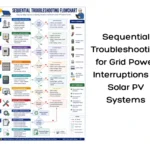
Sequential Troubleshooting for Grid Power Interruptions in Solar PV Systems
A complete guide to sequential troubleshooting in solar PV systems, helping identify and resolve faults during grid power supply interruptions through systematic testing and diagnosis.

Environmental Hazards in Solar PV Installations Guide
A complete guide to identifying and mitigating safety hazards in solar PV systems, including risk assessment, hazard control, preventive measures, and workplace safety practices.

Go Off-Grid with Solar Energy: A Complete Guide
Living off-grid, more commonly defined as not having a dependence on public utilities such as electricity, sounds appealing for a lot of reasons. The idea of being self-sufficient, powering your own home with solar energy, and maybe even building that home with your own two hands can sound like a dream and a challenge for people who wish to live life on their terms.
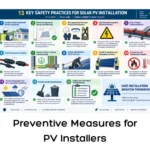
Preventive Measures for PV Installers
A complete solar PV safety guide covering essential preventive measures for installers, from PPE and electrical safety to fall protection and emergency preparedness.
Solar for Commercial Buildings in India: Costs, Benefits & ROI Explained
Solar for commercial buildings in India is becoming the smartest way to cut electricity bills and increase energy independence. This guide explains system costs, benefits, ROI, and how solar power helps offices, malls, hotels, and commercial complexes become more sustainable and profitable.
Difference Between Inverter and Solar Inverter: A Complete Comparison
Confused between an inverter and a solar inverter? This guide explains their key differences, working principles, advantages, and which option is best for your home or business.
Workplace Safety Incident Reporting Guide for Solar PV
A complete guide to establishing and following safe work procedures in solar PV systems, ensuring worker safety during installation, testing, commissioning, operation, and maintenance.