Many people assume that all inverters work the same way. However, a normal inverter and a solar inverter serve very different purposes, especially when it comes to solar electricity generation. Choosing the right type of inverter directly affects efficiency, backup performance, and overall solar panel system cost.
In this blog, we explain the difference between an inverter and a solar inverter, how each works, and which one is better suited for modern solar energy systems.
What Is a Normal Inverter?
A normal inverter is a device that converts DC power from a battery into AC power to run household appliances during power cuts.
It relies entirely on:
- Grid electricity for charging
- Batteries for backup
- Manual switching in some cases
Normal inverters do not generate electricity on their own and are mainly used as power backup solutions, not energy-saving systems.
What Is a Solar Inverter?
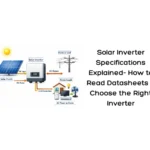
A solar inverter is specifically designed to work with solar panels. It converts DC electricity produced by solar panels into usable AC electricity for homes or businesses.
Unlike normal inverters, solar inverters:
- Work directly with solar panels
- Use MPPT for efficiency
- Reduce grid dependency
- Support solar energy for home use
They play a critical role in lowering solar energy installation cost per unit over time.
Key Difference Between Inverter & Solar Inverter
1. Power Source
- A normal inverter charges batteries using grid electricity.
- A solar inverter charges batteries using solar energy, reducing electricity bills.
2. Energy Generation Capability
- Normal inverters do not generate power.
- Solar inverters generate electricity using solar panels on rooftops.
3. Efficiency and Technology
- Solar inverters use MPPT technology to extract maximum power from panels.
- Normal inverters lack this optimization.
4. Impact on Electricity Bills
- Normal inverters increase electricity consumption.
- Solar inverters significantly reduce electricity bills by using renewable solar energy.
5. Installation Cost and Value
- The normal inverter cost is lower upfront.
- Solar inverter systems offer better long-term value despite the higher total cost of solar installation.
Comparison Table: Inverter vs Solar Inverter
Feature | Normal Inverter | Solar Inverter |
Power Source | Grid + Battery | Solar Panels |
Electricity Generation | No | Yes |
MPPT technology | No | Yes |
Bill Reduction | No | Yes |
Long-term savings | Low | High |
Why Solar Inverters Are Better for Modern Homes
Solar inverters allow homes to:
- Generate clean electricity
- Reduce dependency on the grid
- Use available roof space efficiently
- Lower home roof solar panels cost per unit
They also make government incentives like subsidised solar panels for home more effective.
Difference in Maintenance and Lifespan
Normal inverters experience frequent battery cycling, leading to faster battery wear.
Solar inverters:
- Optimize battery usage
- Reduce discharge depth
- Extend battery life
This helps control the average cost of solar panels on a house and reduces maintenance expenses.
Impact on Solar System Design and Cost
Solar inverters allow:
- Higher system efficiency
- Better utilization of solar panel area per kW
- Lower cost of solar per kWh installed
This makes them essential for both residential and commercial installations.
Which One Should You Choose?
If your goal is:
- Only backup → Normal inverter
- Backup + bill savings → Solar inverter
For anyone planning to invest in renewable energy and solar energy, a solar inverter is the smarter and more future-ready choice.
Conclusion: Solar Inverter Is More Than Just Backup
The difference between an inverter and a solar inverter lies in their purpose and long-term value. While normal inverters only provide backup, solar inverters generate clean electricity, reduce bills, and support sustainability.
At Smart Roof Solar, we install advanced solar inverters that combine backup, efficiency, and savings, helping customers make the most of renewable energy technology while lowering their electricity costs.
FAQs
Q1. Can a normal inverter be converted into a solar inverter later?
Ans: No, most normal inverters lack solar charge controllers and MPPT, so conversion isn’t practical.
Q2. Do solar inverters work during a grid blackout?
Ans: Yes, hybrid or off-grid solar inverters can supply power during outages if batteries are connected.
Q3. Does a solar inverter require sunlight all day to function?
Ans: No, it can draw power from batteries or the grid when sunlight is unavailable.
Q4. How does a solar inverter affect the carbon footprint?
Ans: It significantly reduces carbon emissions by replacing grid electricity with renewable solar power.
Q5. Do solar inverters make noise during operation?
Ans: Most are silent or produce very minimal noise, making them suitable for indoor installation.