
Safety signs are an important part of maintaining a safe working environment at a solar photovoltaic (PV) installation. A PV site may contain electrical circuits, energized equipment, batteries, inverters, elevated work areas, restricted zones, moving machinery, and other potential hazards. Clear safety signs help workers, visitors, contractors, and maintenance personnel recognize these hazards and understand the precautions required before entering or working in a particular area.
Safety signs should not be considered a replacement for engineering controls, safe work procedures, or personal protective equipment (PPE). Instead, they form an additional layer of communication that supports the overall safety system. Correctly positioned and maintained signs can reduce accidental exposure to hazards and contribute to safer installation, operation, and maintenance of solar electricity systems.
Why Are Safety Signs Important at a PV Site?
A solar PV installation can contain multiple hazards at the same time. For example, an electrical room may contain high-voltage AC equipment, while the rooftop may present fall hazards and energized DC circuits.
Safety signs help to:
- Warn people about potential hazards.
- Identify restricted or authorized-access areas.
- Communicate mandatory precautions.
- Identify emergency equipment and exits.
- Provide information about electrical equipment.
- Prevent unauthorized operation.
- Improve awareness among workers and visitors.
Signs are particularly useful where hazards cannot be immediately recognized by someone entering the area.
1. Identify Areas Requiring Safety Signs
Before installing signs, the site should be assessed to determine where warnings or instructions are necessary.
Potential locations include:
- PV array areas
- Inverter rooms
- Electrical panels
- Battery rooms
- Transformer areas
- Rooftop access points
- AC and DC disconnect locations
- Fire equipment locations
- Emergency exits
- Restricted-access zones
The signs should correspond to the actual hazards present at the location.
2. Use Electrical Warning Signs
Electrical hazards are particularly important in solar PV systems because PV modules can produce DC electricity whenever they receive adequate sunlight.
Appropriate warning signs can identify:
- Electrical hazard
- High voltage
- Energized equipment
- AC supply
- DC supply
- Multiple power sources
- Electrical isolation points
Warning labels should be clearly visible and placed where workers can see them before approaching the hazard.
3. Mark PV DC Hazards Clearly
Unlike many conventional electrical systems, PV arrays can continue generating electricity during daylight even when the inverter is not operating.
Signs can therefore be used to indicate:
- PV DC circuits
- Array disconnects
- DC combiner equipment
- Energized conductors
- Electrical isolation requirements
This information can help maintenance personnel recognize that switching off an inverter does not necessarily eliminate every source of electrical energy.
4. Identify AC Equipment and Isolation Points
AC distribution equipment should also be clearly labeled.
Safety signs and labels may identify:
- AC distribution boards
- Circuit breakers
- Disconnect switches
- Service panels
- Inverter AC output
- Grid connection points
Clear identification allows authorized personnel to locate the correct equipment during operation, maintenance, or emergency isolation.
5. Display Battery-Related Warnings
Where energy storage is installed, battery areas may require additional warnings.
Depending on the battery technology and system design, signs may identify hazards such as:
- Electrical energy
- High voltage
- Fire risk
- Restricted access
- Chemical hazards
- Required PPE
Battery rooms and energy-storage areas should only be accessed according to the applicable site procedures.
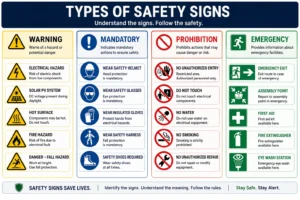
6. Use Mandatory Safety Signs
Some signs communicate actions that workers must take before performing an activity.
Examples include requirements to:
- Wear safety helmet
- Wear safety footwear
- Wear eye protection
- Wear gloves
- Use fall protection
- Use electrical PPE
- Follow authorized-access procedures
Mandatory signs should be placed at appropriate entry points so workers can see the requirements before entering the work area.
7. Mark Prohibited Actions
Prohibition signs communicate activities that are not permitted.
Examples include:
- No unauthorized entry
- Do not switch on
- No smoking
- Do not touch
- No access without authorization
Such signs are useful around electrical rooms, battery areas, equipment enclosures, and restricted work zones.
8. Identify Emergency Equipment and Routes
Safety signage should also help people respond during emergencies.
Signs can identify:
- Emergency exits
- First-aid equipment
- Fire extinguishers
- Emergency assembly points
- Emergency contact information
- Electrical emergency isolation points
Emergency signs should remain visible even when the site is crowded or operating under reduced lighting conditions.
9. Use Signs for Rooftop and Fall Hazards
PV rooftops can contain unprotected edges, fragile surfaces, skylights, and restricted areas.
Signs may be used to identify:
- Roof access restrictions
- Fragile surfaces
- Fall hazards
- Required fall protection
- Designated walking routes
- Restricted areas
However, signage should supplement physical fall-protection measures rather than being used as the only control where stronger protection is required.
10. Ensure Signs Are Visible and Understandable
A safety sign is useful only if workers can easily see and understand it.
Signs should be:
- Clearly visible
- Legible
- Appropriately positioned
- Durable
- Suitable for the environment
- Free from unnecessary obstruction
Where workers may speak different languages, appropriate symbols and multilingual information can improve understanding.
11. Install Durable Signs for Outdoor PV Systems
Solar installations are often exposed to sunlight, rain, dust, humidity, and temperature changes. Outdoor signs should therefore be suitable for the environment. Damaged, faded, loose, or illegible signs should be replaced promptly.
This is especially important for signs located near:
- Solar arrays
- Rooftops
- Outdoor inverters
- Electrical enclosures
- Access gates
12. Inspect Safety Signs Regularly
Safety signage should form part of routine site inspection and maintenance.
Check whether:
- Signs remain in their designated positions.
- Text and symbols are readable.
- Signs have not faded.
- Warning labels have not been removed.
- New hazards require additional signage.
- Existing signs still correspond to the system configuration.
Changes to a PV installation may require the safety signage to be updated.
Safety Sign Checklist for PV Installations
Before commissioning or during inspection, verify:
- Electrical hazards are clearly identified.
- DC and AC equipment is appropriately labeled.
- Restricted areas are marked.
- PPE requirements are displayed.
- Battery hazards are identified where applicable.
- Emergency exits are marked.
- Fire equipment is identified.
- Rooftop hazards are clearly communicated.
- Signs are visible and legible.
- Outdoor signs are weather-resistant.
- Damaged or outdated signs are replaced.
- Signage is reviewed after system modifications.
Conclusion
The use of safety signs is an essential component of a well-organized solar PV workplace. A PV installation can contain numerous electrical, mechanical, fire, battery, rooftop, and environmental hazards, and clear signage helps communicate these risks before workers encounter them.
Effective signage should identify electrical hazards, distinguish AC and DC equipment, communicate PPE requirements, restrict unauthorized access, identify battery and rooftop hazards, and provide clear emergency information. Signs must be visible, legible, durable, and appropriate for the environment in which they are installed.
However, signage should never be viewed as the sole method of hazard control. It should work alongside proper system design, engineering controls, safe work procedures, training, PPE, fall protection, electrical isolation, and regular inspections.
Whether the project involves solar energy for home use, commercial and industrial installations, or a large-scale solar plant, proper safety signage contributes to safer operation and maintenance. It can also reduce avoidable incidents and help protect equipment, supporting reliable solar electricity generation.
Ultimately, effective safety signage creates a clear communication system throughout the PV installation. When hazards are identified, clearly marked, regularly inspected, and updated whenever conditions change, workers can make safer decisions while organizations build more reliable and sustainable renewable energy and solar energy systems.
FAQs
Q1. Why are safety signs important in a solar PV system?
Ans: They communicate hazards, restrictions, mandatory precautions, and emergency information to workers and visitors.
Q2. What electrical signs are commonly required at PV sites?
Ans: Depending on the installation, signs may identify electrical hazards, AC/DC circuits, high-voltage equipment, disconnects, and multiple energy sources.
Q3. Why should PV DC circuits be clearly labeled?
Ans: PV modules can continue generating DC electricity in sunlight, so workers need to recognize the presence of potentially energized circuits.
Q4. Are safety signs a replacement for PPE?
Ans: No. Signs are an administrative communication measure and should complement engineering controls, safe procedures, and appropriate PPE.
Q5. Where should battery safety signs be placed?
Ans: They should be displayed at appropriate entrances and locations where battery-related hazards or restricted access need to be communicated.
How to Read the Electricity Bill Before Deciding Solar Plant Capacity
Load assessment is an essential step before installing a solar PV system. It helps determine electricity consumption and ensures accurate system sizing for optimal solar performance.

How Solar Energy Is Converted into Electricity Using Solar Panels – Complete Guide
Solar panels convert sunlight into usable electricity through the photovoltaic effect. From photon absorption to inverter conversion and grid connection, each component plays a critical role in solar power generation. This complete guide explains the step-by-step process of how solar energy becomes electricity for homes, businesses, and industries, helping you understand the technology behind India’s growing renewable energy movement.
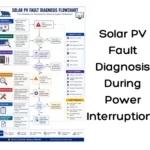
Solar PV Fault Diagnosis During Power Interruptions
A complete guide to identifying faults in solar PV systems during power generation interruptions, including troubleshooting techniques, root cause analysis, and corrective maintenance.
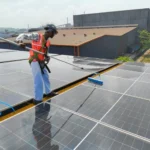
Monitoring Services for Solar Plants by Smart Roof Solar to Maximize Performance and Efficiency
Smart Roof Solar provides advanced monitoring services for solar plants to ensure maximum performance and efficiency. With real-time data tracking and intelligent analytics, our monitoring solutions help detect issues early, reduce downtime, and enhance the overall energy yield of your solar system.
India Raises Solar Purchase Obligation (SPO) to 8%: A Complete Guide
The Solar Purchase Obligation (SPO) in India is set to increase to 8%, pushing companies to adopt more solar energy. This guide explains the implications for businesses, compliance strategies, and how organizations can align with renewable energy targets.
How Are Solar PV Modules Made? Complete Guide to the Manufacturing Process
Choosing the right solar panels can be confusing with so many options in the market. This guide simplifies solar panel selection by comparing types, efficiency ratings, and cost factors. Whether for your home, business, or industry, learn how to make an informed decision and maximize the return on your solar investment.
Solar Cable Guide | Types, Sizing & Specifications for PV Systems
Solar cables play a critical role in ensuring efficient and safe power transmission in PV systems. This guide explains cable types, specifications, sizing methods, and best practices for selecting the right solar cables.
6 Innovative Applications of Solar Energy You Should Know About
Explore how solar energy is revolutionizing daily life and industries. From solar-powered transport to smart cities, discover six groundbreaking solar applications shaping a cleaner, smarter future.