
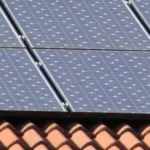
How to Clean and Maintain Solar Power System for Maximum Efficiency
After the solar panels used in solar power plant for generating solar energy for home/industrial/commercial roof top or ground mounted, are installed , the dirt starts to built up over the panels and can substantially affect system performance. It is required to be cleaned up from time to time regularly to avoid losses of solar energy. But while cleaning can enhance the system performance but wrong cleaning processes of materials used can lead to bad performance of the system. Therefore one needs to be careful in selecting the right materials , tools and processes for cleaning the solar power system. While the right materials , tools and processes are necessary , it is equally important to have trained manpower to do the job.
Given below are our recommendations for solar panels cleaning used in solar power plant for generating solar energy for home/industrial/commercial roof top or ground mounted.
Safety of workmen involved in cleaning:
Solar panels used in solar power plant for generating solar energy for home/industrial/commercial roof top or ground mounted, are connected in series and it can generate upto 1000V DC. Cracks in modules or damaged cable or joints in a string can pose serious dangerous situation for workmen involved in cleaning particularly when the modules are sprayed with water and are yet wet.
Even during early morning / late evening hrs of sunlight the array will generate lethal voltage. It is therefore important to inspect solar panels thoroughly for micro cracks, glass shield damage, and loose connections before solar panel cleaning is resorted to. workmen involved in cleaning should be made to wear appropriate electrically insulating gloves/shoes during cleaning. Or else the system should be switched off and cleaning should be done in zero sunlight hours.
Suitable Time for cleaning:
The recommended time for cleaning is when risk of electrical shock is minimum. That is when there is almost zero sunlight/ either just after sunrise or just before sunset.
Quality of water :
Soft water should be used to clean the modules. If soft water is not available, rainwater or potable tap water can be used. Water should have hardness of less than 75ppm. Water should be free of grit and particles or else we may see damage of panels over a period of time. cleaning agent: cleaning agent is not recommended but if one wishes then mild, non-abrasive, non-caustic detergent with water may be used. Alkali based or acidic detergents must not be used.
Removing spots:
Removing dead mosquitoes , dirts such as birds dropping, tar etc., use a soft sponge based wiper after spraying water over the spots and after wiping again cleaning with lots of water.
Drying:
Wipe the module surface with a little bit of pressure by hand through wiper from top to bottom to remove any residual water from the solar panels.
Water pressure:
Normal tap water pressure is enough at the cleaning end of nozzle. Use of high pressure for cleaning may damage the solar panels.
Water temperature:
Ambient temp of water is good enough for cleaning of panels and water should not be sprayed when the modules are hot to avoid thermal shocks. Or else we will have chances of developing micro cracks in the solar panels.
Suggested Articles

Solar Panel Installation on Tiled Roofs: Complete Homeowner Guide
When you’re ready to install solar panels on your home, there are many factors that will determine the unique design and cost of your solar system. Various roof types require different processes for installation. For example, lightweight tile roofs can present unique challenges and considerations for a solar installer. Here are a few things you need to know before adding solar energy to your tile roof.
Safety Hazard Identification & Mitigation in Solar PV
A complete guide to identifying and mitigating safety hazards in solar PV systems, including risk assessment, hazard control, preventive measures, and workplace safety practices.
Rooftop Solar for Factories: Cost, Benefits, ROI & Installation Guide in India
Learn how rooftop solar for factories in India lowers power costs with high ROI, faster payback, and long-term energy savings for industrial facilities.
How to Assess Customer Requirements Before Solar Installation
Understanding customer requirements is essential before installing a solar plant. This guide explains key assessment methods such as energy analysis, site survey, and feasibility evaluation.

Industrial Solar CAPEX Model in India: Meaning, Investment & Payback
A CAPEX industrial solar system allows Indian industries to own their solar power plant by investing upfront. This guide explains meaning, cost, benefits, and ROI.

How to Calculate PV Power Output? Step-by-Step Guide
Calculating PV power output helps you estimate how much electricity a solar system can generate. This step-by-step guide explains the PV power output formula, examples, and key factors affecting solar energy production.

How MPPT Works in an Inverter: A Simple Guide for Solar Users
This simple guide explains how MPPT works in a solar inverter, helping users understand how it maximizes power output and improves system efficiency.

Photovoltaic Power Output Explained: A Practical Guide for Homes & Businesses
Photovoltaic power output determines how much electricity a solar system can generate. This simple guide explains PV output, how it is calculated, and what it means for homes and businesses planning to go solar.