
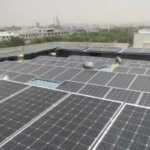
Industrial Solar Plants with Diesel Generator Backup: What You Need to Know
Many industries in Delhi/NCR (Kundali, Sonipat, Faridabad, Bahudargarh, Manesar, Bawal, Ghaziabad, Greater Noida etc) have to still depend on the Diesel Generator sets for running factories for few hours daily. What happens if the discom supply is disrupted during the sunny hours when the sun is still out generating the power?
Grid tied solar plants or On-grid solar systems will run when the Discom power is available as the solar inverters have in built feature which commands the solar system to generate power when it can sense that the supply is available from other sources. Such a feature is built in solar inverters as the solar power is an intermittent source of electricity supply which provides variable output depending on the solar intensity at that moment. Hence if suddenly the clouds cover the sun, the solar generation will dip making the system unstable.
Therefore, solar has to always run in conjunction with any other dependable and stable source of supply like Discom power, DG power or the batteries.
Rooftop Solar with DG
As the batteries are quite expensive and need to be replaced periodically, most factories depend on the DGs for the back up power. Solar can be connected to the DG panel directly as it is connected to the LT panel of the Discom supply in the factories. Certain protections require to be built in based on the DG sizing however. Also, the factory load that can be served by solar should never be more than the DG supply which means that the primary supply source will always remain the DG.
So, the size of solar plant cannot be more than that of the DG size as the solar alone cannot take the factory or plant’s load.
Solar will help to reduce the diesel consumption during the DG hours as the DG will run at lower loads and even idle loads depending on the system design. For the system to work smoothly, if there are multiple DGs, they should be synchronized (manually or automatically) before they are put in sync with the rooftop solar system.
Suggested Articles

Haryana and UP Face Delays in Solar Net Metering Approvals
Net metering for rooftop solar in Haryana and Uttar Pradesh faces procedural delays, affecting solar adoption and efficiency for residential and commercial consumers
500 kW Solar System Price in Indore: Complete Industrial Guide
Planning to install a 500 kW solar power plant in Indore? Discover the complete cost details, government subsidy options, and potential savings for industries in 2025.

1MW Solar Power Plant Construction Cost & Profit in India
Choosing the right industrial solar EPC is critical for plant performance and ROI. This guide explains how Indian industries can select the best solar EPC partner.
Maintenance Of Solar Power Plant in India: Everything You Need to know
Proper maintenance is key to maximizing the efficiency and lifespan of solar power plants in India. Learn essential tips, best practices, and common maintenance tasks.

How to Read the Electricity Bill Before Deciding Solar Plant Capacity
Load assessment is an essential step before installing a solar PV system. It helps determine electricity consumption and ensures accurate system sizing for optimal solar performance.
Affordable Solar Systems and Plants for Small and Medium Enterprises
Learn how SMEs can harness solar energy through tailored solar systems and plants to reduce electricity bills, improve sustainability, and boost efficiency.

PM Surya Ghar Muft Bijli Yojana 2025: Online Registration Made Simple
PM Surya Ghar Muft Bijli Yojana 2025: Learn how to register online and get free electricity under this government scheme.
Steps Required for Conducting a Site Assessment Prior to Solar Installation
A solar site assessment helps installers evaluate location, shading, structure, and energy requirements before installation. This guide explains the essential steps for accurate solar system planning.