
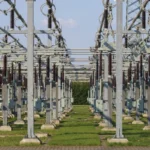
US Lawmakers Approve Tariffs on Solar Imports from Southeast Asia
A committee of the United States House of Representatives has voted to reinstate tariffs on solar imports from four Southeast Asian countries. Committee overturned the Biden administration’s decision to allow more unfair solar imports from China into the U.S.
The Ways and Means Committee said that China was clearly bypassing American tariffs. This was meant to ensure fair competition for American workers by exporting solar products through Cambodia, Malaysia, Thailand, and Vietnam.
It noted that the Department of Commerce had also found that Chinese solar manufacturers were avoiding antidumping and countervailing duties. They assembled solar cells and modules in Southeast Asia before shipping them to the U.S.
“For years, China has been evading American tariffs on solar products by sending them to the United States through Southeast Asia. Thus harming American energy jobs and leaving our supply chain under the control of the Chinese Communist Party,” the committee said. They called the decision to suspend tariffs on solar imports from these countries for two years as misguided.
In January, seven months after President Biden announced a two-year duty exemption on solar modules and cells imported from the four Southeast Asian countries, a bipartisan group of Congressmen had introduced a resolution of disapproval. They were demanding a reversal of the suspension of solar import tariffs.
The Congressional Review Act Resolution on Solar Tariffs stops the Commerce Department from implementing the Final Rule. It affected the proclamation suspending the import tariffs and preventing the issuance of any similar rule.
Last December, the Department of Commerce said that solar cells made in any of the four countries under investigation, even with wafers from China, that are then sent to another country and made into modules or other products, would not count as exports from these four countries.
Industry groups in the U.S. had opposed the investigation arguing that the pipeline projects in the country would be negatively affected, As domestic manufacturing capacity was not able to meet the increasing demand.
The ban on imports of Chinese-made panels has benefited Indian manufacturers. India’s solar module exports witnessed an unprecedented 321% hike year-over-year. Totaling $561.6 million, driven by U.S. demand, accounting for over 95% of the shipments.
Suggested Articles

Haryana’s GEOA 2025: A Boost for Captive Solar Plants and Wind Energy Developers
Haryana’s GEOA 2025 paves the way for growth in captive wind and solar energy projects with investor-friendly reforms.

CAPEX or OPEX? How to Choose the Best Solar Ownership Model
Choosing between the CAPEX and OPEX models can greatly impact your solar savings and ownership benefits. This guide explains both models to help you make the right decision.
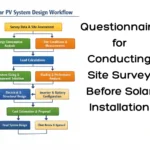
Questionnaire for Conducting Site Survey Before Solar Installation
A proper site survey is critical before solar installation. This questionnaire helps evaluate roof condition, load requirements, shading, and electrical infrastructure to ensure accurate system design and optimal performance.
Solar Power System Efficiency: How to Calculate for Residential, Industrial & Commercial Use
Understand and measure your solar system’s performance. Maximize energy output at home, industrial units, and commercial buildings

Solar Inverter Inspection & Maintenance Guide
A complete guide to solar inverter inspection and maintenance, including visual inspections, performance checks, fault diagnosis, cleaning, and preventive maintenance to maximize efficiency and reliability.
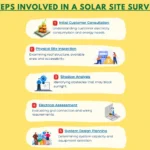
Benefits of Site Survey in Solar PV Installation
Shadow analysis is a critical step in solar site assessment. It helps solar installers identify shading obstacles and optimize panel placement for maximum energy generation.

Solar Rooftop Projects: Benefits of Intentional Islanding for Power Backup
Discover the role of intentional islanding in solar rooftop projects. Ensure continuous power supply, system safety, and reliable energy even during grid failures.
UP Discoms Propose 9.21% Electricity Tariff Hike for 2015-16
Uttar Pradesh Discoms propose a 9.21% increase in electricity tariffs for 2015-16, impacting residential, commercial, and industrial consumers across the state.