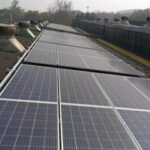
Delhi has raised the bar in rooftop solar adoption with fresh state-level incentives that stack on the central-level subsidies. If you’re planning a solar panel installation in Delhi, this is the moment to act (Check updated rates of solar subsidy in Delhi 2025).
The New Changes
- In May 2025, the Delhi government approved a state “top-up” subsidy of ₹30,000 for 3 kW rooftop solar systems under the PM Surya Ghar: Muft Bijli Yojana.
- This top-up means that a household installing 3 kW solar can now get a total subsidy of ₹1,08,000 (₹78,000 from central + ₹30,000 from Delhi).
- Later, Delhi also revised its Solar Policy to offer a subsidy of ₹10,000 per kW (capped at ₹30,000) for systems up to 3 kW.
According to the amendment, households installing rooftop solar systems up to 3 kW are eligible for ₹10,000 per kW, up to a maximum of ₹30,000 from the state.
Why This Matters for Homeowners
Lower Upfront Cost
With both central and state subsidies, the solar installation cost for a 3 kW rooftop installation gets much more affordable. Your solar roof installation cost after subsidy can shrink significantly.
Boost to Adoption
The added incentive is designed to accelerate rooftop solar adoption in the capital. Delhi is targeting 2.3 lakh residential rooftop installations under this scheme.
Fairer Support for Smaller Systems
Previously, Delhi’s state subsidy was modest (₹2,000 / kW), capped at ₹10,000 per consumer. Now, with ₹10,000/kW up to 3 kW and a top-up subsidy, smaller systems become more viable.
Group Housing & Common Facilities
The amendment also introduced subsidies for group housing societies (GHS) / RWAs. They can get ₹2,000 per kW for solar installed for common facilities, including EV charging, up to 500 kW.
How the Central & State Subsidies Stack Up
Here’s how the subsidy structure works now in Delhi (residential rooftop systems):
System Size | Central Govt Subsidy | State Govt Subsidy | Total Subsidy |
1 kW | ₹30,000 | ₹10,000 | ₹40,000 |
2 kW | ₹60,000 | ₹20,000 | ₹80,000 |
3 kW | ₹78,000 | ₹30,000 | ₹1,08,000 |
>3 kW | ₹78,000 (capped) | ₹30,000 (capped) | ₹1,08,000 (max) |
Note: Central subsidy is applied as ₹30,000/kW for the first 2 kW, then ₹18,000 for the 3rd kW, capped at ₹78,000 total for ≤ 3 kW systems.
What It Means in Real Costs & Savings
Let’s consider a typical 3 kW solar plant for a home:
Gross installation cost (before subsidies) might be ₹1,80,000 to ₹2,15,000 (depending on the quality of panels, wiring, and labor). (This range aligns with the Delhi average solar panel system cost seen in industry data).
After applying a total subsidy of ₹1,08,000, the net cost could drop to ₹72,000 to ₹1,07,000.
At that cost, the cost of solar per kWh installed becomes very favorable over the plant’s life.
The household can generate solar electricity equivalent to what they consume, reducing monthly bills.
The new subsidy push helps bring solar installation charges, solar energy installation cost, and solar roof installation cost much closer to affordability for common households.
Challenges & Criticisms
While this move has been widely welcomed, there are some caveats:
- Budget Constraints: The Delhi government has allocated ₹50 crore for this scheme, raising questions about whether all applicants can be supported given the high demand.
- Implementation Hurdles: Verifying installations and disbursing state subsidy reliably will require coordination with DISCOMs and robust processes.
- Cap on Subsidy: Even for larger systems, subsidy is capped at the 3 kW level, so beyond that, the benefit doesn’t scale further.
- Reliance on Quality Execution: If low-cost or poor-quality components are used, the benefits may not fully translate into performance over time.
Experts caution that while ₹30,000 state support is bold, the actual benefit depends heavily on ground-level execution.
Conclusion
Delhi’s decision to add ₹10,000 per kW state subsidy (up to ₹30,000 for 3 kW) is a strong incentive for households to go solar. This, combined with central subsidies, means rooftop systems can become truly affordable. The key is to act now.
At Smart Roof Solar, we help homeowners navigate this subsidy maze, designing your plant, handling approvals, and ensuring you get your full benefit without compromise. Reach out today to make your home a clean-energy producer.
FAQs
Q1. Who is eligible to receive the new Delhi state solar subsidy?
Ans: Any residential homeowner in Delhi installing a rooftop solar system up to 3 kW is eligible. The property must have a valid electricity connection in the owner’s name, and the system must be installed through empaneled vendors under the PM Surya Ghar: Muft Bijli Yojana.
Q2. How long does it take to receive the subsidy after installation?
Ans: Subsidy disbursement timelines can vary, but the state subsidy process may take additional time depending on the Delhi government procedures and coordination with DISCOMs.
Q3. Can group housing societies install shared rooftop solar systems and receive subsidies?
Ans: As per the amended policy, group housing societies (GHS) and residents’ welfare associations (RWAs) can receive ₹2,000 per kW subsidy for solar plants installed for common area usage (up to 500 kW), including EV charging setups.
Q4. Can I still install a system larger than 3 kW and get subsidies?
Ans: Yes, you can install a system larger than 3 kW, but the total subsidy (central + state) will be capped at ₹1,08,000, which is the maximum for up to 3 kW.
Q5. What is the average payback period after subsidy for a 3 kW system in Delhi?
Ans: With the subsidies applied, the payback period for a 3 kW solar system can drop to around 3 to 5 years, depending on your electricity consumption and tariff.