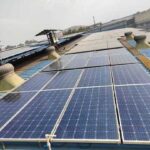
Should You Switch to Solar in India? Complete Guide
India has become a hot-selling solar market and people are interested in installing solar systems in their homes as well as in industries and factories. But there are always a few questions in their minds regarding the installation of solar panels. Is it wise to switch to solar in India? How long will it take to get the money back that was invested in the installation? Is a Solar Power Plant a smart investment in India? This article shares why the future of solar is bright in India and why it is a smart investment.
Solar Energy in India
Solar is among the fastest-growing industries in India. This is mainly because solar energy is not only renewable but is also attractive from a financial point of view. As more people are becoming eco-conscious, they have started opting for green solutions. Eventually, solar power will become a mainstream part of the energy consumption community with better and improved technological advantages.
Development of Solar Systems in India
Due to its geographical location, India receives an ample amount of sunlight and therefore, has tremendous scope for generating solar energy. India being a tropical country, receives radiation nearly throughout the year, which amounts to 3,000 hours of sunshine. This is capable of producing 5,000 trillion kWh. States like Andhra Pradesh, Bihar, Gujarat, Haryana, Madhya Pradesh, Maharashtra, Orissa, Punjab, Rajasthan, and West Bengal have high potential to harness solar energy because of their location.
Being an inexhaustible source of energy, solar energy is the most suitable replacement for other non-renewable energies like fossil fuels in India. While fossil fuels have a damaging effect on our environment and are responsible for global warming, solar energy is renewable and does not cause harm to the environment.
Advantages of Solar Panels over Conventional Methods of Electricity
Here are some of the advantages of installing solar panels. This will help you decide if it’s wise to switch to solar energy.
Cost factor
The most effective way to cut down your electricity bills is to invest in solar energy. Using solar power will reduce your dependency on utility-provided electricity resulting in a reduced electricity bill. Also, solar panels are a secure investment. The fluctuation in electricity prices in India is one of the major factors why people are opting for solar energy. Moreover, if you have enough rooftop solar panels, you can earn money by selling the surplus electricity back to the grid.
Life
Solar panels’ performance can be guaranteed for 25 – 30 years, depending on the manufacturer. However, that doesn’t mean your roof panels will stop producing electricity after a few decades. After the mentioned period, the solar energy efficiency may decline beyond what the manufacturers estimate to be their production output.
Support from the Government
The government in India offers tax credits to encourage people to adopt solar energy. According to the Ministry of New and Renewable Energy, the Indian government provides significant subsidies for the installation of rooftop solar PV systems.
Low Maintenance Costs
Solar energy panels do not require a lot of maintenance. All you have to do is keep them clean. There are no moving parts, so there will be no wear and tear. All that needs to be changed are the inverter, wires, and cables, and that too after 5-10 years. This is to ensure that your solar power system works at maximum efficiency. Therefore, once the initial cost of the solar panels is covered, there is a minimal amount you need to spend on their maintenance.
Increase your property value
Installing solar panels on your roof will increase your property’s value. Whether selling or renting your property with solar panel installation, you can ask for a higher cost in return and also make the deal quicker than the same property without the solar panel installation.
Reduce your Carbon Footprint
Unlike conventional energy resources, solar poses no threat to the environment. Since solar energy does not pollute the environment or emit any greenhouse gases, the solar rooftop model helps you reduce your carbon footprint. It is an ideal source of energy that can help to combat climate change as well.
If a switch to solar energy is advantageous to you in so many ways, then why not invest in it? Choosing solar can also make you a responsible citizen who will help the country achieve its targets.
Suggested Articles

500 kW Solar System Price in Haryana: Latest Cost, Benefits & Savings
Looking to install a 500 kW solar system in Haryana? Discover the latest 2025 price range, government incentives, and key benefits for commercial and industrial users. Learn how adopting solar can cut electricity bills and boost long-term savings.

From Solar Design to Site: Locating Footings for Solar Mounting Structures
A complete guide to translating solar design drawings into accurate footing locations on-site, including survey methods, marking techniques, and EPC best practices.

Solar Net Metering in Industrial Units: Opportunities and Risks
Solar net metering can help factories save on energy costs, but there are key pitfalls to consider. Learn the challenges and best practices for industrial adoption

Fire Hazard in a Solar Setup at Rice Mill, Kaithal – Case Study and Safety Insights
A recent fire incident at a rice mill in Kaithal highlights the critical importance of safety in solar installations. This case study analyzes the root causes, system faults, and preventive actions that can help industries avoid similar hazards in their solar setups.

Solar O&M Services: How to Ensure Peak Performance & Maximum Power for Solar System
Discover how Solar O&M services keep your solar system running at its best. From routine maintenance to performance monitoring, ensure maximum power and efficiency.

What Is Global Tilted Irradiation (GTI) in Solar Energy? Explained Simply
Solar panel wattage and ratings decide how much electricity you generate. This guide explains panel output, efficiency, and how to choose the right solar panel for your needs.

Solar Rooftop Subsidy: Why It’s Time for a Change of Mindset
While solar rooftop subsidies help reduce upfront costs, true adoption requires a mindset shift. This guide discusses why businesses and homeowners should focus on long-term benefits, sustainability, and strategic planning beyond relying solely on incentives.

Solar ROI for Commercial & Industrial Projects in India: Cost, Payback & Profits
Learn how commercial and industrial solar projects deliver strong ROI for businesses in India through lower energy costs, faster payback, and long-term profit generation.