As the electricity prices have crossed many heights, solar rooftop systems are a better alternative to reduce monthly bills. As new affordable smart solar panel prices, subsidies and net metering policies are being introduced almost regularly, businesses can now generate their own electricity and pause on paying high utility bills.
In this blog, we’ll walk through on how solar saves money and government schemes and subsidies are encouraging people to opt for more renewable alternatives.
How Solar Rooftop Systems Cut Your Electricity Bill
According to a recent data, a 1 kW rooftop solar system can save approximately ₹1,000–₹1,500 per month in electricity bills. A 5 kW system can neutralize nearly 80-90% of the total power consumption, depending on usage and sunlight exposure. Let’s see how you can save on your electric bill, by switching to solar.
You Produce Your Own Power
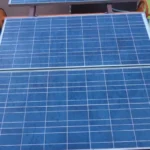
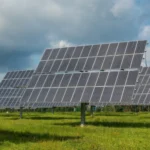
Solar cells on the solar panel in rooftop create electricity when exposed to sunlight. This reduces the amount of electricity drawn from the grid, which lowers the consumption and the electric bill.
Net Metering Credits
If the consumption is less than the amount produced, then the excess electricity goes back to the grid, via net metering. The exported units are called credits, and this reduces any future grid consumption charges.
Reduce Peak Charges
As the solar energy is generated at peak-hour grid usage, solar setup reduces high demand charges where applicable.
No Battery Needed
In on-grid structures, there is no need for batteries. The grid actually becomes a virtual storage, which further reduces the cost to install solar on house.
Government Subsidies & Tax Benefits in 2025
Below are some subsidies and tax benefits that solar users can enjoy. While not all schemes are not present, but the schemes and tax reliefs by the central government is listed below:
- PM Surya Ghar Muft Bijli Yojana offers a government solar subsidy scheme of ₹30,000/kW for 1-2 kW, ₹60,000 for 2 kW, and ₹78,000 for systems larger than 3kW.
- Income Tax Benefit under Section 80-IA reduces taxable income in the year of installation. For residential and commercial solar setups.
- As of the 2025-26 budget, import duties on solar cells and modules have been reduced from 40% and 25% to 20% each.
- Additional state-level subsidies are also available. For instance, Delhi now offers ₹10,000/kW extra on up to 3 kW installations.
Typical Monthly Savings by Capacity
System Size | Generation | Per month Estimated Savings |
1 kW | 120-150 units | ₹1,000 – ₹1,500 |
3 kW | ~360-450 units | ₹3,000 – ₹4,500 |
5 kW | ~600 units | ₹4,200 – ₹6,000 |
*Calculated with an avg. of ₹7–₹10 per unit tariff, which may vary across different states in 2025.
A 5 kW system can generate around 600 units/month, potentially saving ₹4,200–₹4,500. Over a year, this adds up to ₹50,000+ in savings.
Key Charges & Tariffs You Save On
After subsidies and savings, most rooftop solar systems become a one-time investment and then only savings. Usually pay back in 3-5 years, depending on system size, local tariffs, and solar exposure. Let’s see the taxes on which you’ll save money.
Energy Charges
Solar generation directly cuts consumed grid units, lowering energy charges.
Fixed/Demand Charges
Some states apply fixed or peak-demand charges, solar reduces daytime consumption and thus the average cost of solar panels on a house.
Cross-Subsidy & Wheeling Charges
Many states offer reduced or waived cross-subsidy charges and wheeling fees for rooftop solar, under regulatory norms.
Taxes & Cess
States like Haryana provide 100% waiver on electricity duty, cess, and transmission charges on rooftop solar projects.
Payback Period
A 5 kW system may cost ₹3 lakh before subsidy, and ₹2.2 lakh after subsidy. With ₹50k in annual bills saved, the payback period is under 5 years.
Final Words
With the increasing awareness for renewable and clean resources, rooftop solar is a smart and greener solution. Provisions of subsidies and net metering are an added advantage, which makes the installation affordable, especially in 2025.
Let Smart Roof Solar guide you through the entire process. Start saving today and enjoy years of clean and cost-effective solar energy.
FAQs
Q1. What are the schemes that provide loans to install rooftop solar panels?
Ans: Several banks and Non-Banking Financial Companies (NBFCs) offer green energy loans at low rates, under the scheme PM-KUSUM. Different states may offer different schemes, which will differ.
Q2. Do I still have to pay electricity bills after getting rooftop solar?
Ans: You may have to pay a small fixed or demand charge, but the overall charges would be reduced.
Q3. Is maintenance of solar panels expensive?
Ans: No, solar panels need very little maintenance, like cleaning dust or debris a few times a year.
Q4. How long does it take to install a rooftop solar system?
Ans: Most residential systems take about 1 – 2 weeks for installation, based on size and approvals.
Q5. Can I move my solar panels if I shift?
Ans: Yes, but it will involve dismantling, transport and reinstallation charges, which may vary from company to company.