
Procurement is a critical phase in any solar photovoltaic (PV) project. It involves sourcing, selecting, and purchasing all the necessary components required to install a solar plant. A well-planned procurement process ensures quality, cost efficiency, and timely project completion.
For EPC (Engineering, Procurement, and Construction) companies and solar installers, procurement is not just about buying components, it is about ensuring that all materials meet technical standards, project specifications, and performance expectations. Systematic procurement planning is essential for ensuring the reliability and efficiency of renewable solar systems.
This blog provides a complete step-by-step guide for procurement of solar PV system components, helping professionals optimize solar panel system cost and ensure successful project execution.
What is Procurement in Solar PV Projects?
Procurement in solar projects refers to the process of purchasing all required materials, equipment, and services needed to install a solar PV system.
It includes:
- Vendor selection
- Material sourcing
- Price negotiation
- Quality assurance
- Logistics and delivery
Effective procurement ensures smooth installation and efficient solar electricity generation.
Importance of Procurement in Solar Installation
Proper procurement is essential for:
- Ensuring high-quality components
- Reducing project delays
- Optimizing solar installation charges
- Improving system performance and lifespan
- Achieving cost efficiency in renewable solar projects
Poor procurement can lead to system failures and increased maintenance costs.
Major Components to be Procured
Before starting procurement, installers must identify required components such as:
- Solar PV modules
- Inverters
- Mounting structures
- Batteries (if required)
- Cables and connectors
- Protection devices
- Monitoring systems
These components are essential for solar panel in rooftop installations and large-scale solar plants.
Step-by-Step Procurement Process
Step 1 – Finalize System Design and BOM
Procurement begins only after:
- System design is completed
- Bill of Material (BOM) is prepared
The BOM provides a detailed list of required components and quantities.
Step 2 – Define Technical Specifications
Each component must meet specific technical standards.
Specifications include:
- Panel efficiency and wattage
- Inverter capacity and type
- Cable size and insulation
- Mounting structure material
Proper specifications ensure efficient solar electricity generation.
Step 3 – Identify and Shortlist Vendors
Select reliable suppliers based on:
- Product quality
- Certifications
- Market reputation
- Previous project experience
Preference should be given to vendors compliant with standards set by the Ministry of New and Renewable Energy.
Step 4 – Request for Quotation (RFQ)
Send RFQs to shortlisted vendors.
The RFQ should include:
- Technical specifications
- Quantity requirements
- Delivery timelines
- Warranty requirements
This step helps compare prices and offerings.
Step 5 – Evaluate Vendor Quotations
Compare quotations based on:
- Price
- Product quality
- Warranty and service
- Delivery schedule
Select the vendor offering the best value, not just the lowest cost.
Step 6 – Conduct Technical and Quality Evaluation
Ensure components meet required standards.
Check for:
- Certifications (IEC, BIS)
- Performance specifications
- Compatibility with system design
This ensures reliability of renewable energy technology systems.
Step 7 – Negotiate Pricing and Terms
Negotiate with vendors for:
- Bulk discounts
- Payment terms
- Delivery schedules
- Warranty conditions
Effective negotiation helps reduce solar panel system cost.
Step 8 – Place Purchase Orders (PO)
Once vendors are finalized:
- Issue purchase orders
- Clearly define terms and conditions
- Specify delivery timelines
This formalizes the procurement process.
Step 9 – Arrange Logistics and Delivery
Ensure timely delivery of materials to the site.
Consider:
- Transportation arrangements
- Storage conditions
- Handling requirements
Proper logistics prevent project delays.
Step 10 – Inspect Materials on Delivery
Upon delivery, inspect materials for:
- Quantity verification
- Physical damage
- Compliance with specifications
Reject defective or non-compliant materials.
Step 11 – Inventory Management
Maintain proper records of procured materials.
Include:
- Stock tracking
- Usage monitoring
- Spare parts management
This ensures efficient project execution.
Step 12 – Documentation and Record Keeping
Maintain all procurement-related documents such as:
- Quotations
- Purchase orders
- Invoices
- Warranty documents
Proper documentation supports project management and audits.
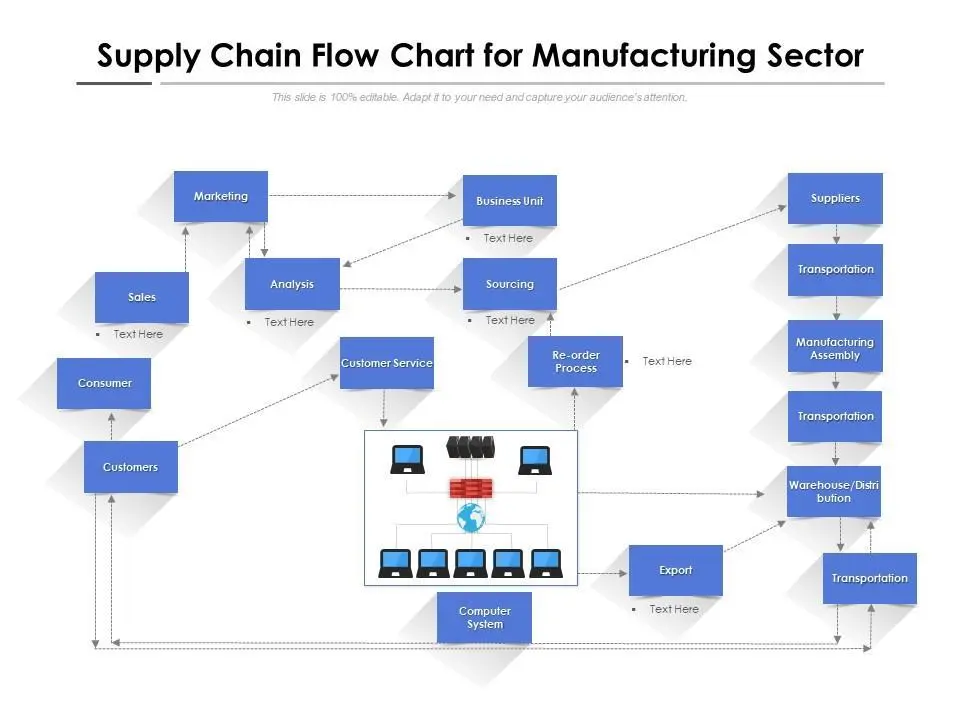
Impact of Procurement on Solar Panel System Cost
Efficient procurement helps:
- Reduce material costs
- Avoid over-purchasing
- Prevent project delays
- Optimize cost of solar per kWh installed
It plays a major role in controlling solar energy installation cost.
Conclusion
Procurement is a vital phase in solar PV project execution that directly impacts system performance, reliability, and cost. By following a structured procurement process, EPC companies and installers can ensure that all components meet technical standards and are delivered on time. From vendor selection and quotation evaluation to material inspection and documentation, each step plays a crucial role in project success.
Systematic planning and quality assurance are key to efficient solar installations. Additionally, compliance with guidelines from the Ministry of New and Renewable Energy ensures reliability and safety in renewable solar projects.
With proper procurement practices, solar professionals can optimize solar panel system cost, reduce solar installation charges, and deliver efficient solar energy for home use and large-scale renewable solar solutions, supporting a sustainable and energy-efficient future.
FAQs
Q1. What is procurement in solar PV projects?
Ans: Procurement is the process of purchasing all materials and equipment required for solar system installation.
Q2. Why is procurement important in solar installation?
Ans: It ensures quality components, timely delivery, and cost efficiency.
Q3. What factors should be considered while selecting vendors?
Ans: Quality, certifications, price, warranty, and delivery timelines.
Q4. How does procurement affect solar panel system cost?
Ans: Efficient procurement reduces material costs and prevents unnecessary expenses.
Q5. What documents are required in the procurement process?
Ans: RFQs, purchase orders, invoices, and warranty documents.
Charge Controller Troubleshooting Guide for Solar PV Systems
A complete guide to troubleshooting charge controllers in solar PV systems, including fault diagnosis, electrical testing, error identification, and corrective maintenance for reliable system performance.

Importance of MPPT in Solar System: Maximizing Solar Power Efficiency
MPPT plays a crucial role in solar systems by extracting maximum power from panels under varying conditions. Learn how MPPT improves efficiency, performance, and savings.
Important Factors Deciding the Type of Solar PV System to be Installed
A solar site assessment helps installers evaluate location, shading, structure, and energy requirements before installation. This guide explains the essential steps for accurate solar system planning.
Net Metering and its Advantages
Net Metering allows solar panel owners to feed excess electricity back to the grid and earn credits, reducing energy bills. Learn the key advantages of net metering for homes and businesses.
India’s Solar Capacity Growth Slows Down in Q1 2023
India’s solar capacity growth slowed in Q1 2023. Explore the factors behind the slowdown and its impact on the country’s renewable energy progress.
How to Assess Solar PV Array Location for Maximum Energy
A complete guide to battery bank enclosure and rack installation, including site verification, setup procedures, and safety practices for solar PV systems.
Top Solar Companies & Suppliers in Delhi/NCR – A Complete Guide
Looking for trusted solar panel suppliers in Delhi/NCR? Explore leading solar companies serving Gurgaon, Noida, Faridabad, Manesar, and Ghaziabad. Compare product quality, technology, and services to choose the right solar partner for your home, business, or factory.
Delhi charges one of the highest tariffs for commercial load and industrial – average over Rs 10.00 per kWh
Delhi imposes some of the highest electricity tariffs for commercial and industrial consumers, averaging over ₹10 per kWh, impacting businesses and operating costs