
Procurement is a critical phase in any solar photovoltaic (PV) project. It involves sourcing, selecting, and purchasing all the necessary components required to install a solar plant. A well-planned procurement process ensures quality, cost efficiency, and timely project completion.
For EPC (Engineering, Procurement, and Construction) companies and solar installers, procurement is not just about buying components, it is about ensuring that all materials meet technical standards, project specifications, and performance expectations. Systematic procurement planning is essential for ensuring the reliability and efficiency of renewable solar systems.
This blog provides a complete step-by-step guide for procurement of solar PV system components, helping professionals optimize solar panel system cost and ensure successful project execution.
What is Procurement in Solar PV Projects?
Procurement in solar projects refers to the process of purchasing all required materials, equipment, and services needed to install a solar PV system.
It includes:
- Vendor selection
- Material sourcing
- Price negotiation
- Quality assurance
- Logistics and delivery
Effective procurement ensures smooth installation and efficient solar electricity generation.
Importance of Procurement in Solar Installation
Proper procurement is essential for:
- Ensuring high-quality components
- Reducing project delays
- Optimizing solar installation charges
- Improving system performance and lifespan
- Achieving cost efficiency in renewable solar projects
Poor procurement can lead to system failures and increased maintenance costs.
Major Components to be Procured
Before starting procurement, installers must identify required components such as:
- Solar PV modules
- Inverters
- Mounting structures
- Batteries (if required)
- Cables and connectors
- Protection devices
- Monitoring systems
These components are essential for solar panel in rooftop installations and large-scale solar plants.
Step-by-Step Procurement Process
Step 1 – Finalize System Design and BOM
Procurement begins only after:
- System design is completed
- Bill of Material (BOM) is prepared
The BOM provides a detailed list of required components and quantities.
Step 2 – Define Technical Specifications
Each component must meet specific technical standards.
Specifications include:
- Panel efficiency and wattage
- Inverter capacity and type
- Cable size and insulation
- Mounting structure material
Proper specifications ensure efficient solar electricity generation.
Step 3 – Identify and Shortlist Vendors
Select reliable suppliers based on:
- Product quality
- Certifications
- Market reputation
- Previous project experience
Preference should be given to vendors compliant with standards set by the Ministry of New and Renewable Energy.
Step 4 – Request for Quotation (RFQ)
Send RFQs to shortlisted vendors.
The RFQ should include:
- Technical specifications
- Quantity requirements
- Delivery timelines
- Warranty requirements
This step helps compare prices and offerings.
Step 5 – Evaluate Vendor Quotations
Compare quotations based on:
- Price
- Product quality
- Warranty and service
- Delivery schedule
Select the vendor offering the best value, not just the lowest cost.
Step 6 – Conduct Technical and Quality Evaluation
Ensure components meet required standards.
Check for:
- Certifications (IEC, BIS)
- Performance specifications
- Compatibility with system design
This ensures reliability of renewable energy technology systems.
Step 7 – Negotiate Pricing and Terms
Negotiate with vendors for:
- Bulk discounts
- Payment terms
- Delivery schedules
- Warranty conditions
Effective negotiation helps reduce solar panel system cost.
Step 8 – Place Purchase Orders (PO)
Once vendors are finalized:
- Issue purchase orders
- Clearly define terms and conditions
- Specify delivery timelines
This formalizes the procurement process.
Step 9 – Arrange Logistics and Delivery
Ensure timely delivery of materials to the site.
Consider:
- Transportation arrangements
- Storage conditions
- Handling requirements
Proper logistics prevent project delays.
Step 10 – Inspect Materials on Delivery
Upon delivery, inspect materials for:
- Quantity verification
- Physical damage
- Compliance with specifications
Reject defective or non-compliant materials.
Step 11 – Inventory Management
Maintain proper records of procured materials.
Include:
- Stock tracking
- Usage monitoring
- Spare parts management
This ensures efficient project execution.
Step 12 – Documentation and Record Keeping
Maintain all procurement-related documents such as:
- Quotations
- Purchase orders
- Invoices
- Warranty documents
Proper documentation supports project management and audits.
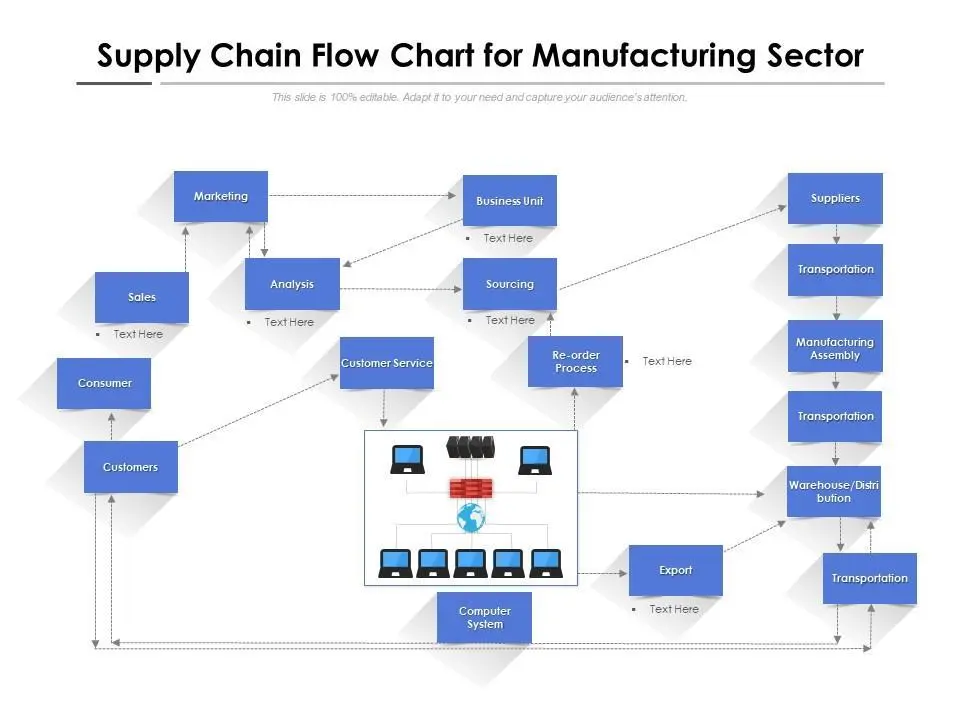
Impact of Procurement on Solar Panel System Cost
Efficient procurement helps:
- Reduce material costs
- Avoid over-purchasing
- Prevent project delays
- Optimize cost of solar per kWh installed
It plays a major role in controlling solar energy installation cost.
Conclusion
Procurement is a vital phase in solar PV project execution that directly impacts system performance, reliability, and cost. By following a structured procurement process, EPC companies and installers can ensure that all components meet technical standards and are delivered on time. From vendor selection and quotation evaluation to material inspection and documentation, each step plays a crucial role in project success.
Systematic planning and quality assurance are key to efficient solar installations. Additionally, compliance with guidelines from the Ministry of New and Renewable Energy ensures reliability and safety in renewable solar projects.
With proper procurement practices, solar professionals can optimize solar panel system cost, reduce solar installation charges, and deliver efficient solar energy for home use and large-scale renewable solar solutions, supporting a sustainable and energy-efficient future.
FAQs
Q1. What is procurement in solar PV projects?
Ans: Procurement is the process of purchasing all materials and equipment required for solar system installation.
Q2. Why is procurement important in solar installation?
Ans: It ensures quality components, timely delivery, and cost efficiency.
Q3. What factors should be considered while selecting vendors?
Ans: Quality, certifications, price, warranty, and delivery timelines.
Q4. How does procurement affect solar panel system cost?
Ans: Efficient procurement reduces material costs and prevents unnecessary expenses.
Q5. What documents are required in the procurement process?
Ans: RFQs, purchase orders, invoices, and warranty documents.
Everything You Need to Know About Solar System Earthing
Power factor after solar installation often fluctuates due to system design and load patterns. Learn the key causes, challenges, and solutions for better efficiency.

Complete Guide To 100 kW Solar Setup Cost And Benefits In Uttar Pradesh
Planning to install a 100 kW solar power plant in Uttar Pradesh? This guide covers everything — from installation costs and available subsidies to long-term savings and payback time. Learn how investing in solar can reduce your electricity expenses and support a sustainable energy future for your business.
Higher Electricity Bills in Haryana as Fuel Surcharge Rises
Haryana consumers are facing higher electricity bills after the Haryana Electricity Regulatory Commission (HERC) approved a fuel surcharge hike for DHBVN and UHBVN areas. The increase reflects rising fuel and power purchase costs, directly impacting domestic, commercial, and industrial users across the state.
Grid-Connected Solar PV System Startup Guide
A complete guide to starting up a grid-connected solar PV system, including commissioning, grid synchronization, electrical safety checks, and operational verification.
India Raises Solar Purchase Obligation (SPO) to 8%: A Complete Guide
The Solar Purchase Obligation (SPO) in India is set to increase to 8%, pushing companies to adopt more solar energy. This guide explains the implications for businesses, compliance strategies, and how organizations can align with renewable energy targets.

PM Surya Ghar Muft Bijli Yojana 2025: Online Registration Made Simple
PM Surya Ghar Muft Bijli Yojana 2025: Learn how to register online and get free electricity under this government scheme.
Single Line Diagram (SLD) in Solar PV Systems: Complete Guide to Design, Symbols & Reading
Learn how to fetch a Bill of Material (BOM) for a solar PV system directly from design documents like SLD, layout, and GA drawings. This step-by-step guide helps installers and EPCs ensure accurate material estimation and efficient project execution.
UP Electricity Tariff Increase 2015-16: Rates Rise by Rs 0.40–1.00 per Unit – What Consumers need to know
Uttar Pradesh has increased electricity tariffs for 2015-16, ranging from Rs 0.40 to 1.00 per unit. This update explains the revised rates, the sectors affected, and what consumers need to know about the tariff hike.