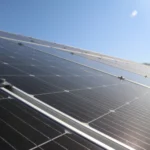
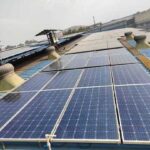
India’s industrial sector is one of the highest consumers of electricity, making energy costs a major operational challenge for factories, warehouses, cold-storage units, manufacturing plants, textile mills, food-processing units, and large workshops. As grid tariffs continue to rise, solar panels industrial use in India have become a preferred solution to reduce cost, improve efficiency, and ensure long-term energy security.
Industries today are not just looking for power, they need reliable, economical, and sustainable power. Solar energy perfectly fits this requirement, offering high savings, strong returns, and a clean energy profile that aligns with modern ESG standards.
Why Industries in India Are Rapidly Adopting Solar Power
Industrial facilities operate heavy machinery, HVAC systems, motors, boilers, compressors, and production equipment, all of which demand large amounts of energy. Switching to solar power provides:
1. Massive Cost Savings
Industries can reduce electricity costs by 40-60%, leading to significant reductions in operational expenditure. Using solar also reduces dependency on expensive peak-hour tariffs.
2. High Load Demand = Faster ROI
Unlike homes or small commercial buildings, industries use most of their load during daytime, perfect for solar. Most solar for industrial use achieves ROI in 2.5 – 4 years depending on total plant size.
3. Power Stability & Reduced Downtime
Solar panels supply predictable energy, lowering production losses caused by voltage fluctuations, outages, or unstable supply.
4. Compliance With Sustainability & ESG Requirements
Industries increasingly require certifications for exports, international clients, and green audits.
Solar adoption strengthens a factory’s sustainability profile.
5. Long-Term Cost Control
Solar provides stable electricity prices for 25 years, insulating industries from inflation and tariff hikes.
Ideal Solar Capacity for Industrial Buildings
Industrial rooftops typically support larger systems due to flat RCC roofs, sheds, or open land.
Common capacities include:
- 100 kW – 250 kW: Small-scale factories
- 500 kW – 1 MW: Mid-sized manufacturing units
- 1 MW – 5 MW: Large industries with high load
- Ground-mounted solar: For very large solar for industrial use for campuses
The solar panel area per kW requirement is usually 90-110 sq. ft. depending on technology.
Types of Solar for Industrial Use
1. On-Grid Solar System (Most Preferred)
- No batteries
- Supplies power directly to machinery
- Enables net-metering or net-billing
- Best for high daytime loads
2. Hybrid Solar System
- Combination of solar + grid + battery
- Ideal where grid stability is low
3. Open Access Solar / Captive Solar (for large loads)
- Power sourced from a solar farm
- Excellent for >1 MW requirements
Price of Solar for Industrial Use in India
Pricing for Solar for Industrial use depends on:
- Solar module price per watt
- System size
- Inverter type
- Structure design
- Cable quality
- Earthing & safety standards
- Total cost of solar installation including BOS
What Components Go Into an Industrial Solar Plant?
High-performance industrial systems include:
- Tier-1 solar modules (Mono PERC / TOPCon)
- Heavy-duty industrial string inverters or central inverters
- Solar panel mounting structures designed for shed/RCC roofs
- High-quality AC/DC cables
- MC4 connectors & junction boxes
- Lightning arresters & earthing systems
- DC/AC protection devices and MCB/MCCB
- Monitoring systems with AI-based tracking
High-quality materials directly impact solar energy installation cost but also improve reliability and generation.
Industrial Solar Energy Generation
Performance depends on location, panel type, tilt angle, and sunlight availability.
General benchmark:
- 1 kW generates 4-5 units/day
- 100 kW generates 12,000-15,000 units/month
- 1 MW generates 1.2-1.5 lakh units/month
Solar electricity generation helps industries reduce heavy load-based charges, fixed charges, and demand penalties.
Key Benefits of Solar for Industries
Lower Electricity Bills
By generating their own power, industries avoid fluctuating grid pricing and cut down consumption charges.
Freedom From Diesel Generators
Diesel costs are extremely high. Solar provides clean, low-cost energy without fumes or noise.
Improved Equipment Life
Solar provides stable voltage, protecting motors, compressors, and machinery.
Supports Renewable Energy Technology Adoption
Solar aligns with global trends in renewable energy, making industries future-ready.
Government Policies & Subsidies for Industrial Solar
Industrial and commercial consumers do not receive subsidies under the government solar subsidy scheme. However, they benefit from:
- Accelerated Depreciation (40%)
- Net-metering / net-billing depending on state
- Open access solar policies
- Electricity duty waivers (state-dependent)
These financial benefits make industrial solar extremely economical.
O&M Requirements for Industrial Solar Plants
Industrial facilities require professional O&M to maintain performance:
- Panel cleaning (weekly/bi-weekly)
- Remote monitoring
- Inverter health check
- Cable inspection
- Checking solar panel in rooftop mounting stability
- Earthing system checks
Smart O&M ensures long-term generation and safety. Check out our blog to know more about O&M and our services – Solar O&M Services & Maximum Power Output – Smart Roof Solar
Final Thoughts
Solar for industrial use in India are no longer an optional upgrade, they are a strategic investment that helps industries reduce costs, stabilise operations, and adopt sustainable energy practices. With competitive pricing, reliable performance, and long-term savings, solar is transforming how India’s industrial sector consumes power.
At Smart Roof Solar, we specialise in high-performance industrial solar plants engineered for maximum savings and efficiency.
From feasibility analysis to installation to long-term maintenance, we help you transition to clean energy with confidence.
FAQs
Q1. What is the payback period for industrial solar systems?
Ans: Most industries achieve ROI in 2.5 to 4 years, depending on tariff and plant size. Read our blog to know more – Solar Panel Payback Period Guide – Smart Roof Solar
- Can solar for industrial use reduce peak demand charges?
Ans: Yes, solar significantly reduces demand charges and peak-hour tariffs.
- Are solar panels effective on metal shed roofs?
Ans: Yes, with lightweight structures, solar can be safely installed on industrial sheds.
- Do solar panels work during power cuts?
Ans: On-grid systems stop during outages, but hybrid systems can continue running using batteries.
- How long does it take to install an industrial solar plant?
Ans: A 100 kW-1 MW plant usually takes 4 – 10 weeks from design to commissioning.