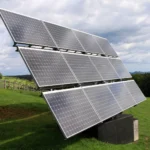
Researchers Propose New Way to Make Nuclear Power Plants Safer
Researchers from the Indian Institute of Technology have proposed a new way to make nuclear power plants safer. They suggest using offshore wind farms to provide backup power in case of a seismic event.
The study on nuclear power plants was published in the journal Nuclear Engineering and Design. The study found that offshore wind farms could provide enough power to keep nuclear reactors running even if the main power grid goes down. This would help to prevent meltdowns, which can occur if nuclear reactors lose their cooling systems.
The researchers tested their idea by conducting a case study at the Madras Atomic Power Station in Chennai. They found that a 15-MW offshore wind farm could provide enough power to keep the plant running for up to 72 hours. This would give the plant enough time to restore power from the main grid or to switch to a backup diesel generator.
The researchers say that their proposal could help to make nuclear power plants safer and more reliable. They believe that it could also help to reduce the cost of nuclear power, as it would no longer be necessary to build expensive backup generators.
The study was funded by the UK India Education Research Initiative and the Commonwealth Scholarship Commission. It is the latest in a series of studies that have explored the potential of using offshore wind farms to provide backup power for nuclear power plants.
In November 2022, a Danish-Indian collaborative study identified fifteen zones for the first offshore wind development project in India. The study was funded by the Danish Ministry of Foreign Affairs and the Indian Ministry of New and Renewable Energy.
The Central Electricity Authority of India (CEA) has estimated that India’s installed wind capacity will reach 100 GW and nuclear capacity 15.5 GW by the financial year 2029-30. The CEA is the apex regulatory body for electricity in India.
The use of offshore wind farms to provide backup power for nuclear power plants is a promising new development. It has the potential to make nuclear power plants safer, more reliable, and more affordable.
Suggested Articles

PPA Model Solar for Manufacturing Units: A Complete Guide
The PPA model allows factories to use solar power without any capital investment. Under a Power Purchase Agreement, industries buy clean electricity at a fixed, lower tariff while the solar developer owns, operates, and maintains the plant—making solar adoption simple, risk-free, and cost-effective.

Solar Panel Wattage, Output & Ratings: Complete Buyer Guide
Solar panel wattage and ratings decide how much electricity you generate. This guide explains panel output, efficiency, and how to choose the right solar panel for your needs.

Difference Between an On-Grid Inverter and a Hybrid Solar Inverter
Confused between an on-grid inverter and a hybrid solar inverter? This blog explains their differences, advantages, and which solar inverter is right for you.

Fixed Structure – Solar Mounting Post Installation Guide
A step-by-step guide to solar mounting post installation for fixed structures, covering alignment, positioning, and best practices for durable solar foundations.

Perovskite: Future of Solar Cells
Discover how solar batteries store excess energy, maximize your solar system’s efficiency, and provide reliable power during outages. Learn about the types, benefits, lifespan, and maintenance tips to make the most of your solar investment.
BOOT vs PPA Explained: Find the Best Way to Finance Your Solar Plant
Choosing between the PPA and BOOT models can significantly impact your solar savings. This guide compares both financing options to help businesses make the right decision.

Installation of DC Combiner Box with Disconnect Protection: Step-by-Step Guide
A DC combiner box is an important protection component in solar PV systems. This guide explains its installation, disconnect protection, wiring, and safety requirements.

Solar Module Support & Racking Frame Installation
A practical guide to solar racking frame installation, covering module support structures, alignment, and best practices for reliable PV systems.