Renewable Energy Hits New Heights: 440 GW Capacity in 2023
Global renewable energy capacity additions are set to reach an all-time high of 440 GW in 2023. This growth is being driven by a number of factors, including expanding policy support, concerns over energy security, and the improved competitiveness of renewable energy compared to fossil fuel alternatives.
Solar is expected to account for two-thirds of the total increase, as policymakers in many countries, particularly in Europe, look to reduce their reliance on imported fossil fuels. Onshore wind is also expected to see significant growth, with capacity additions rebounding by 70% from 2022 levels.
India and the United States are expected to lead the way in terms of renewable capacity additions in 2023. In India, utility-scale solar projects are expected to slow briefly this year due to supply chain challenges, but overall, the country is on track to add more than 10 GW of renewable capacity. The United States is also expected to add more than 10 GW of renewable capacity, with both wind and solar technologies seeing significant growth.
The cost of electricity generation from new onshore wind and solar projects is expected to decline in 2024. However, the costs are still expected to be 10-15% above their pre-COVID levels in most markets outside China.
Solar and onshore wind are the most cost-effective options for new electricity generation in most countries, with 30-50% lower prices than future power contracts in key markets.
Governments need to consider recent inflation, interest rate rises, and commodity price turbulence when designing renewable energy auctions in order to attract investments effectively.
Market-driven procurement, particularly through corporate power purchase agreements, is expected to contribute around one-fifth of solar and wind capacity expansion in 2023 and 2024. The United States leads the expansion in corporate power purchasing agreements, followed by Brazil, Australia, Spain, and Sweden.
The global manufacturing capacity of solar is projected to reach nearly 1000 GW in 2024, which would be sufficient to meet the annual demand in the IEA’s Net Zero Emissions by 2050 Scenario. In contrast, wind equipment manufacturing is expanding slower and may struggle to keep up with the demand growth through 2030.
While China remains the dominant player in global solar manufacturing capacity, there have been announcements of solar manufacturing projects in the United States and India, indicating diversification of supply chains in the medium term.
Overall, the outlook for renewable energy in 2023 is very positive. The global market is expected to grow significantly, driven by a number of factors, including expanding policy support, concerns over energy security, and the improved competitiveness of renewable energy compared to fossil fuel alternatives.
Suggested Articles

Solar PV Cable Selection Guide: Type, Color & Gauge
A complete guide to selecting solar PV cable type, color, and gauge for safe, efficient, and reliable solar system installation.

Solar for Warehouses and Malls: Cost, Benefits, Installation & ROI in India
A complete guide on solar for warehouses and malls in India covering installation cost, benefits, ROI, system sizing, and installation process.
Capex vs Opex Solar Model: Which is Better for Your Energy Needs?
Solar energy systems are becoming increasingly popular in homes and businesses around the world. With rising electricity costs, solar energy provides an attractive alternative to traditional energy sources.
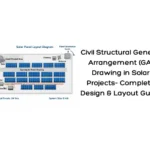
Civil Structural General Arrangement (GA) Drawing in Solar Projects: Complete Design & Layout Guide
A Civil Structural General Arrangement (GA) drawing in solar projects is a detailed layout that defines the placement of solar modules, mounting structures, inverters, and civil foundations. It plays a crucial role in ensuring accurate design, optimal space utilization, and smooth execution of both rooftop and ground-mounted solar installations. This guide explains the key components, design considerations, and best practices for creating effective GA drawings in solar EPC projects.
Solar O&M Services: How to Ensure Peak Performance & Maximum Power for Solar System
Discover how Solar O&M services keep your solar system running at its best. From routine maintenance to performance monitoring, ensure maximum power and efficiency.

Personal Safety Hazards in Solar PV Installations
A complete guide to personal safety hazards in solar PV installations, covering common workplace risks and practical measures to protect solar workers.
Solar Farm Development: Overcoming the Rising Challenge of Wiring Costs
Wiring costs are soaring in solar farms, affecting project budgets and timelines. Learn why infrastructure is becoming a key challenge.
Different Technical Parameters and Performance of a Solar PV Module
Earthing and lightning protection are critical safety components in solar PV installations. This guide explains their importance, types, components, and best practices for solar installers.