
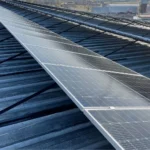
Solar Radiation on a Tilted Surface: Importance & Impact on Solar Output
Solar radiation on a tilted surface directly affects how much energy a solar panel produces. Learn why tilt angle matters and how it impacts solar output.
What Is a Solar Power Generating System? | Complete Guide
A solar power generating system converts sunlight into electricity for residential, industrial, and commercial use. This blog explains the components, working, and benefits of solar systems, helping you understand how to harness solar energy efficiently and sustainably.

Steps for Conducting a Load Assessment Before Solar Installation and Its Requirements
Load assessment is an essential step before installing a solar PV system. It helps determine electricity consumption and ensures accurate system sizing for optimal solar performance.
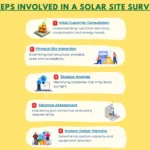
Benefits of Site Survey in Solar PV Installation
Shadow analysis is a critical step in solar site assessment. It helps solar installers identify shading obstacles and optimize panel placement for maximum energy generation.
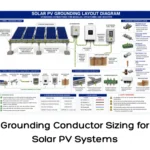
Grounding Conductor Sizing for Solar PV Systems
A complete guide to determining grounding conductor size for solar PV systems, ensuring safe, compliant, and reliable installations.
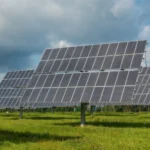
How Solar Energy Generation Is Calculated: A Simple Step-by-Step Guide
Understanding how solar energy generation is calculated helps estimate system output, savings, and ROI. This step-by-step guide explains the formula, key factors, and real-world examples to make solar energy calculation simple and practical.
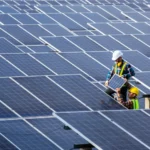
Developers fear unfair state-specific levies will make solar more expensive
Developers in India are concerned that state-specific levies on solar projects could increase costs, slow adoption, and impact the growth of renewable energy across residential, commercial, and industrial sectors.
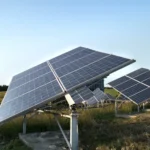
Stop Losing Power: The Ultimate Guide to Solar DC & AC Cable Sizing for Max Efficiency
DC and AC cabling are the lifelines of any Solar PV Rooftop System. Learn how proper cable selection, connection design, and installation can help achieve optimum power output and long-term safety.