
Solar energy plants promise clean power, lower electricity bills, and long-term savings. But one critical aspect often overlooked is installation quality, especially in wiring and safety systems. A solar setup at a rice mill in Kaithal became a live example: a fire broke out because of poor DC wiring, inadequate earthing, and sloppy workmanship. This case offers valuable lessons.
What Went Wrong: Faults in the DC Cable Setup
In the Kaithal rice mill system, the fire likely started somewhere along the DC cable run from the modules to the inverter. A combination of these issues contributed:
- Poor quality DC cables & MC4 connectors: Substandard insulation or mismatched connectors can lead to arcing under load.
- Bad workmanship & cable dressing: Wires bunched up without proper layout, twisting, crossing, and no tidy routing.
- No protective conduits: Cables were not routed through DWC (double-wall corrugated) or HDPE pipes, leaving them exposed.
- Poor earthing: Lack of adequate ground path means fault currents cannot safely dissipate.
- Heat from bundled wires: When many wires run too close together, heat accumulates. In the absence of proper spacing and ventilation, insulation melts or arcs.
- Absence of cable tray capping: The open wiring was unprotected from mechanical damage, weather, rodents, etc.

Together, these created a “thermal time bomb.” As per industry reports, wiring and faulty connectors are common causes of solar fires. In many inspected industrial rooftop systems, over 90% had serious safety risks tied to poor cable installation.
Broader Context: Why Solar Fires Happen

It helps to see that this isn’t an isolated accident. Across India and globally, improper wiring, poor connector terminations, and weak installations routinely show up in fire damage analyses.
Some commonly reported root causes:
- Mismatched or loose DC connectors
- Uninsulated cable joints or sharp edges that damage insulation
- Overheating of panels or wiring due to poor design or ventilation
- Inverter internal faults or arcing (modules inject DC power)
- Lack of thermal monitoring or timely preventive maintenance
Because solar systems operate at high voltages, even small lapses in DC side safety can lead to serious hazards.
How It Could Have Been Avoided: Best Practices
From this case, we can draw practical mitigation steps. Here’s what should have been done:
Use high-grade materials
A-grade solar modules, premium DC & AC cables, proper MC4 connectors, and certified BOS (Balance of System) parts.
Connector & clip support
Use MC and DC cable clips, strain reliefs, and secure clamping to avoid movement and cable stress.
Proper sizing & length
Avoid overlong cable runs; choose the correct gauge to minimize voltage drop and heating.
Robust earthing
Implement strong earthing to clear faults; ground rods, bonding to structure, and regular testing.
Good layout & array design
Panels and wiring laid out to allow ventilation, heat dissipation, easy access.
Protective routing
Always route cables through DWC, HDPE pipes, or cable trays with covers to protect from external damage.
If these had been followed, the risk of thermal failure would have dropped dramatically.
What This Means for Solar Costs & ROI
You might think such safety measures get expensive, and they do add to the solar installation cost, solar panel system cost, and solar energy installation cost. But think of it as insurance. Damage, replacement, downtime, all those costs are far higher.
In the bigger picture:
- A good install reduces fire risk, protects your investment, and ensures solar electricity keeps flowing.
- Proper wiring and safety reduce maintenance and warranty claims.
- Even with premium materials, when spread over a system lifespan of 20+ years, their cost is minimal per kWh.
When customers look at solar roof installation cost, solar motor price per watt, or cost of solar per kWh installed, they often ignore safety overheads, but those overheads ensure you keep your system for its promised life.
Lessons for Installers & Owners
- Quality over cutting corners: Don’t try to save by buying cheap components or hiring untrained labor.
- Inspection & audit: Always inspect DC wiring after installation; third-party audits help.
- Preventive maintenance: Regularly check for hot spots, loose terminations, and cable insulation aging.
- Thermal / arc detection: Use sensors or modules to detect abnormal heating or arcing early.
- Training & standards: Enforce workmanship standards, torque values, cable dressing norms, and protective routing practice.
As solar becomes more common, these safety practices will increasingly be expected by regulators, insurers, and customers.
Conclusion
The Kaithal rice mill fire is a stark reminder that even a well-intended solar system can fail if wiring and safety are ignored. The core components of a safe solar plant go beyond panels, they include the cables, connectors, grounding, layout, and workmanship.
At Smart Roof Solar, we prioritize safety in every system. We don’t just quote solar installation charges or solar panel in rooftop costs, we build systems with rigorous quality, certified components, and strong O&M support to prevent fire risk.
Should You Switch to Solar in India? Complete Guide
India has become a hot-selling solar market and people are interested in installing solar systems in their homes as well as in industries and factories.
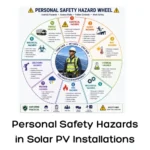
Personal Safety Hazards in Solar PV Installations
A complete guide to personal safety hazards in solar PV installations, covering common workplace risks and practical measures to protect solar workers.

Complete Guide To 100 kW Solar Setup Cost And Benefits In Uttar Pradesh
Planning to install a 100 kW solar power plant in Uttar Pradesh? This guide covers everything — from installation costs and available subsidies to long-term savings and payback time. Learn how investing in solar can reduce your electricity expenses and support a sustainable energy future for your business.
6 Innovative Applications of Solar Energy You Should Know About
Explore how solar energy is revolutionizing daily life and industries. From solar-powered transport to smart cities, discover six groundbreaking solar applications shaping a cleaner, smarter future.
C&I Solar Installation Company: Complete Guide for Commercial & Industrial Solar Projects in India
Ground mounted solar systems are ideal for commercial and industrial projects with available land. This guide explains cost, land requirement, installation process, and ROI in India.
Tools and Tackles Required for Installation of Solar PV Panels: Complete Installer Checklist
Proper tools and tackles are essential for efficient and safe solar PV installation. This guide provides a complete checklist of mechanical, electrical, and safety tools required for installers and EPC teams.
Solar PV Fault Diagnosis During Power Interruptions
A complete guide to identifying faults in solar PV systems during power generation interruptions, including troubleshooting techniques, root cause analysis, and corrective maintenance.
Solar Charge Controller Explained: Purpose, Need & Advantages
A charge controller is a vital component of any solar system. Learn what it does, how it works, and why a solar system cannot function safely without it.