

100 kW Solar Plant Cost in Rajasthan: Latest Cost, Maintenance & Payback Time
Installing a 100 kW solar plant in Rajasthan costs around ₹40–60 lakh in, with annual savings up to ₹10–12 lakh. Discover maintenance needs, ROI, and payback period of 4–6 years.

Photovoltaic Power Output Explained: A Practical Guide for Homes & Businesses
Photovoltaic power output determines how much electricity a solar system can generate. This simple guide explains PV output, how it is calculated, and what it means for homes and businesses planning to go solar.

Identification of Solar PV Installation Tools and Their Applications
Solar PV installation requires various tools and equipment for safe and efficient system setup. This guide explains the essential tools used by solar installers and their functions.
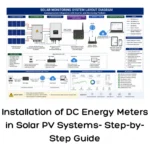
Installation of DC Energy Meters in Solar PV Systems: Step-by-Step Guide
DC energy meters are used in solar PV systems to measure generated DC power and energy. This guide explains installation, wiring, testing, and safety procedures for solar installers.

Solar Chankya: Complete Guide to Solar Systems and Components
Discover the key components of solar systems—from panels to inverters and batteries—and how they work together for efficient energy solutions

End of Rooftop Solar Subsidy for Industrial & Commercial Consumers: What You Need to Know
The rooftop solar subsidy for industrial and commercial consumers is coming to an end. This guide explains the implications for businesses, updated policies, and strategies to adopt solar power without relying on subsidies.

SECI Sets Record in Renewable Energy Trading, Surpasses ₹100 Billion
SECI achieves record renewable power trading revenue surpassing ₹100 billion, marking a milestone in India’s clean energy growth and solar market expansion.

How Are Solar PV Modules Made? Complete Guide to the Manufacturing Process
Choosing the right solar panels can be confusing with so many options in the market. This guide simplifies solar panel selection by comparing types, efficiency ratings, and cost factors. Whether for your home, business, or industry, learn how to make an informed decision and maximize the return on your solar investment.