
Solar Roof Hook Installation: Step-by-Step Guide
A step-by-step guide to solar roof hook installation, covering positioning, alignment, and best practices for strong and reliable rooftop systems.
Fuses & Circuit Breakers Inspection Guide for Solar PV Systems
A complete guide to inspecting fuses and circuit breakers in solar PV systems, including testing methods, fault identification, preventive maintenance, and safety checks for reliable system operation.
Connection in Series and Parallel: Meaning, Differences, Formula & Applications
Understanding the difference between single-phase and three-phase voltage is essential for solar PV installers. While single-phase supply is common in residential systems, three-phase power is widely used in commercial and industrial solar projects. This complete guide explains electrical phase differences, applications in solar installations, and how choosing the right phase connection impacts system efficiency, safety, and performance.

Solar Energy for Petrol Pumps: Benefits, Savings, and Implementation
Petrol pumps can significantly reduce energy costs and carbon footprint by adopting solar power. This guide explains the benefits, types of solar installations, and how fuel stations can leverage renewable energy for sustainable and efficient operations.
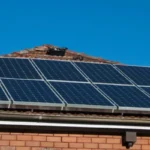
Solar Panel Efficiency and Temperature: What You Need to Know
The stronger the sun, the higher the temperature and more energy your solar panels produce, right? No.

Everything You Should Know About Solar Batteries
Discover how solar batteries store excess energy, maximize your solar system’s efficiency, and provide reliable power during outages. Learn about the types, benefits, lifespan, and maintenance tips to make the most of your solar investment.
Financing made easy for the Rooftop Solar Projects
Switching to solar is easier than ever with flexible financing options. This guide explains how to fund your rooftop solar project through loans, subsidies, and government schemes to make clean energy more affordable and sustainable.
Solar PV Procurement Process Guide for EPC & Installers | Step-by-Step
A well-planned procurement process is critical for the success of any solar PV project. This guide explains step-by-step how EPC companies and installers can efficiently source solar panels, inverters, and balance of system components while ensuring quality, cost-effectiveness, and timely delivery.