
Higher Electricity Bills in Haryana as Fuel Surcharge Rises
Haryana consumers are facing higher electricity bills after the Haryana Electricity Regulatory Commission (HERC) approved a fuel surcharge hike for DHBVN and UHBVN areas. The increase reflects rising fuel and power purchase costs, directly impacting domestic, commercial, and industrial users across the state.
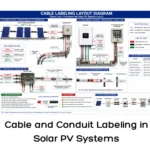
Cable and Conduit Labeling in Solar PV Systems
A complete guide to cable termination in solar installations, including tools, step-by-step methods, and best practices for safe connections.

How to Fetch the BOM of a Solar PV System from Design Documents: Step-by-Step Guide for Installers & EPCs
Learn how to prepare a detailed Bill of Material (BOM) for solar PV systems using design documents like SLDs and layouts. This step-by-step guide helps installers ensure accurate material planning, reduce errors, and improve project execution.
India Raises Solar Purchase Obligation (SPO) to 8%: A Complete Guide
The Solar Purchase Obligation (SPO) in India is set to increase to 8%, pushing companies to adopt more solar energy. This guide explains the implications for businesses, compliance strategies, and how organizations can align with renewable energy targets.
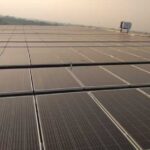
Blame it on Sun! Average Solar PLFs not satisfactory
Explore the reasons behind low average Solar PLFs, from environmental factors to system design, and learn strategies to boost solar plant performance

Solar Loans, Subsidies & EMI Plans: Financing Made Easy
Explore solar loans, government subsidies, and flexible EMI plans to make installing solar panels affordable and hassle-free.

Inverter Operation and Anti-Islanding Testing Guide
A complete guide to solar inverter testing and anti-islanding performance verification, including AC system measurements and commissioning best practices.

Improve Your Power Factor After Solar Installation: Complete Guide
Power factor after solar installation often fluctuates due to system design and load patterns. Learn the key causes, challenges, and solutions for better efficiency.