
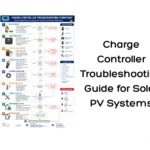
Charge Controller Troubleshooting Guide for Solar PV Systems
A complete guide to troubleshooting charge controllers in solar PV systems, including fault diagnosis, electrical testing, error identification, and corrective maintenance for reliable system performance.
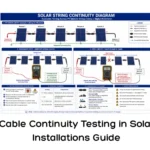
Cable Continuity Testing in Solar Installations Guide
A complete guide to cable termination in solar installations, including tools, step-by-step methods, and best practices for safe connections.
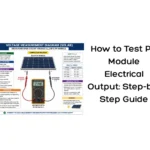
How to Test PV Module Electrical Output: Step-by-Step Guide
A step-by-step guide to PV module electrical output testing, covering voltage, current measurement, and best practices for accurate performance evaluation.
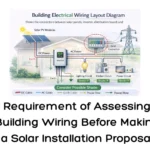
Electrical Wiring Requirements Before Installing a Solar Power System
Before designing a solar power system, assessing the building’s electrical wiring is essential. Proper inspection ensures the wiring can safely handle solar power integration, prevents electrical risks, and improves overall system efficiency.
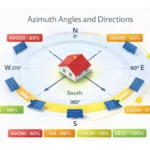
Solar Panel Orientation and Angles: Guide for Solar PV Installers
Earthing and lightning protection are critical safety components in solar PV installations. This guide explains their importance, types, components, and best practices for solar installers.
Solar for Manufacturing Units: Cost, Benefits, ROI & Installation in India
A detailed guide on 1 MW solar plant for industry covering installation cost, area requirement, power generation, ROI, and long-term savings in India.
Case Study: Successful Design, Installation, and Commissioning of a 50 kWp Rooftop Solar PV Plant
This case study details our experience in designing, installing, and commissioning a 50 kWp solar PV rooftop power plant. Learn how we overcame technical challenges, optimized system performance, and delivered clean, reliable energy. Discover insights on panel selection, inverter sizing, monitoring, and commissioning processes that ensured maximum efficiency and long-term performance for the rooftop solar installation.
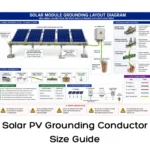
Solar System Grounding Conductor Size Guide
A complete guide to determining grounding conductor size for solar PV systems, ensuring safe, compliant, and reliable installations.