Haryana and UP Face Delays in Solar Net Metering Approvals
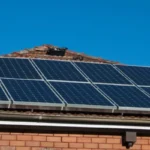
In National Capital Region, the net metering has been allowed by all three state governments of Delhi, Haryana and Uttar Pradesh. It means that if a building owner has installed the roof top solar solution, then the units (kWh) generated from this solar solution will be netted off from the total monthly electricity bill of the building. It is an important step in promoting roof top solar as the generation from solar is available during certain hours in a day when the building may not require this electricity. As such the building owners can “bank” this power with the Distribution grid and take it back when they require it through net metering mechanism.
In India, most states have notified the policies for the implementation of the net metering facility to promote rooftop solar. However, most of the distribution companies (Discoms) have remained reluctant to enforce this policy and provide the net metering to the roof top owners. In fact, progressive states like Gujarat that have led the solar installation in the country have not been able to promote the net metering in the state.
The obvious risk the state Discoms perceive is in losing out the high paying customers to roof top solar solutions. Many state Discoms have been able to contain the large industrial and commercial customers from buying power from third party/Exchange through open access route by denying access to their networks and imposing high cross subsidy surcharge. However, the roof top solar does not require Discom’s network to be used for the end customers to generate and use own electricity. Therefore these solar solutions become a major threat to Discoms’s business going forward. Expectedly the Discoms are trying to find reasons for not providing net metering and slowing down the pace of roof top solar installations.
Solar Net Metering Approvals
However certain Discoms are also endeavouring to put processes in place for the approval of net metering applications. Such solar systems would require special meters that can read bidirectional flow of power. Discom’s officials have been reviewing the new processes required for smooth transitioning. Delhi Discoms have done relatively well to get started with the net metering with the roof top solar solutions. Many applications have been approved by them and building owners are able to successfully install solar at roofs. In fact, we know the cases where BSES discoms have provided NOC (no objection certificate) for the net metering within two weeks. The process has been well streamlined and simple application forms for net metering are widely available.
Solar Net Metering Approvals in Haryana
On the other hand, Discoms in Haryana and UP are still struggling with the net metering process. In Haryana, Discoms are not accepting application for the net metering. Even if the officials accept the application, they will not accept the mandatory fee of Rs 1000 which binds them to provide/reject the net metering application within next few weeks. In Gurgaon itself, more than 5 applications have been filed with the concerned officials. We have been told that the Discom will soon start issuing the NOCs for net metering.
Solar Net Metering Approvals in UP
In UP, one net metering application for roof top solar has been approved till date in Kanpur. Otherwise the situation is not much different from that in Haryana. It remains a struggle to get a net metering for roof top solar.
Suggested Articles

Solar System for FMCG Industry: Cost, Benefits, Installation & ROI in India
A complete guide on solar systems for the FMCG industry in India covering installation cost, benefits, ROI, system sizing, and the installation process.
Inspection Reporting and Corrective Actions in Solar PV Projects Duplicated
A complete guide to preparing solar PV inspection reports and implementing corrective actions to ensure quality, compliance, and project performance.

How to Test PV Module Electrical Output: Step-by-Step Guide
A step-by-step guide to PV module electrical output testing, covering voltage, current measurement, and best practices for accurate performance evaluation.

Solar Panel Specifications Explained: How to Read Datasheets & Choose the Right PV Module
Choosing the right solar panel requires a clear understanding of technical specifications. This guide explains how to read solar panel datasheets, interpret key parameters, and select the best PV module for your project.

Perovskite: Future of Solar Cells
Discover how solar batteries store excess energy, maximize your solar system’s efficiency, and provide reliable power during outages. Learn about the types, benefits, lifespan, and maintenance tips to make the most of your solar investment.

Benefits of Site Survey in Solar PV Installation
Shadow analysis is a critical step in solar site assessment. It helps solar installers identify shading obstacles and optimize panel placement for maximum energy generation.

Solar PV Testing Equipment Inspection & Maintenance Guide
A complete guide to solar PV testing equipment inspection and maintenance, ensuring accurate measurements and reliable system performance.

Solar Charge Controller Explained: Purpose, Need & Advantages
A charge controller is a vital component of any solar system. Learn what it does, how it works, and why a solar system cannot function safely without it.

New IREDA Loan Scheme for Solar Rooftop Projects: Benefits, Eligibility & Interest Rates
India’s renewable energy push gets a major boost with the new IREDA loan scheme for solar rooftop projects. This scheme offers low-interest financing, simplified approvals, and better support for residential, commercial, and industrial consumers. Here’s a detailed look at its benefits, eligibility, interest rates, and how to apply for funding.

Solar Power System Efficiency: How to Calculate for Residential, Industrial & Commercial Use
Understand and measure your solar system’s performance. Maximize energy output at home, industrial units, and commercial buildings