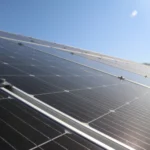
US Lawmakers Approve Tariffs on Solar Imports from Southeast Asia
A committee of the United States House of Representatives has voted to reinstate tariffs on solar imports from four Southeast Asian countries. Committee overturned the Biden administration’s decision to allow more unfair solar imports from China into the U.S.
The Ways and Means Committee said that China was clearly bypassing American tariffs. This was meant to ensure fair competition for American workers by exporting solar products through Cambodia, Malaysia, Thailand, and Vietnam.
It noted that the Department of Commerce had also found that Chinese solar manufacturers were avoiding antidumping and countervailing duties. They assembled solar cells and modules in Southeast Asia before shipping them to the U.S.
“For years, China has been evading American tariffs on solar products by sending them to the United States through Southeast Asia. Thus harming American energy jobs and leaving our supply chain under the control of the Chinese Communist Party,” the committee said. They called the decision to suspend tariffs on solar imports from these countries for two years as misguided.
In January, seven months after President Biden announced a two-year duty exemption on solar modules and cells imported from the four Southeast Asian countries, a bipartisan group of Congressmen had introduced a resolution of disapproval. They were demanding a reversal of the suspension of solar import tariffs.
The Congressional Review Act Resolution on Solar Tariffs stops the Commerce Department from implementing the Final Rule. It affected the proclamation suspending the import tariffs and preventing the issuance of any similar rule.
Last December, the Department of Commerce said that solar cells made in any of the four countries under investigation, even with wafers from China, that are then sent to another country and made into modules or other products, would not count as exports from these four countries.
Industry groups in the U.S. had opposed the investigation arguing that the pipeline projects in the country would be negatively affected, As domestic manufacturing capacity was not able to meet the increasing demand.
The ban on imports of Chinese-made panels has benefited Indian manufacturers. India’s solar module exports witnessed an unprecedented 321% hike year-over-year. Totaling $561.6 million, driven by U.S. demand, accounting for over 95% of the shipments.
Suggested Articles

How Are Solar PV Modules Made? Complete Guide to the Manufacturing Process
Choosing the right solar panels can be confusing with so many options in the market. This guide simplifies solar panel selection by comparing types, efficiency ratings, and cost factors. Whether for your home, business, or industry, learn how to make an informed decision and maximize the return on your solar investment.
Battery Bank Installation in Solar Projects: Site Selection & Best Practices
Battery banks are essential for energy storage in solar projects. This guide explains site selection, installation procedures, safety measures, and best practices for solar battery systems.
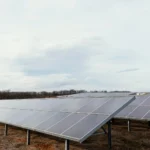
100 kW Solar Power Plant Cost in Haryana: The Ultimate Guide to the Best Rate Per Watt
Explore the 100 kW solar power plant cost in Haryana for 2025. Learn about pricing, government subsidy options, and how much you can save with solar energy.
How to Monitor Power Generation in Solar PV Systems
A complete guide to solar PV power generation monitoring, including performance tracking, energy analysis, fault detection, and optimization for improved system efficiency.

Complete Guide to Net Metering and Electricity Bill Savings
Learn how net metering lets you sell excess solar energy back to the grid, reducing your electricity bills and maximizing your solar investment.

1 MW Solar Plant for Industry: Cost, Generation & Payback
A detailed guide on 1 MW solar plant for industry covering installation cost, area requirement, power generation, ROI, and long-term savings in India.
PPE Checklist for Solar Installations: Safety Gear Guide
A complete PPE checklist for solar installations covering essential safety gear required for safe and efficient on-site work.
End of Rooftop Solar Subsidy for Industrial & Commercial Consumers: What You Need to Know
The rooftop solar subsidy for industrial and commercial consumers is coming to an end. This guide explains the implications for businesses, updated policies, and strategies to adopt solar power without relying on subsidies.