Choosing the Right Solar Panel: Complete Guide for India
Solar is among the fastest-growing industries in India. This is mainly because solar energy is not only renewable but is also attractive from a financial point of view. As more people are becoming eco-conscious, they have started opting for solar solutions. However, before going solar and installing solar panels, it is important to know the different types of solar panels available in the market. This article discusses the major types of solar panels so that you can make an informed decision before investing in one for yourself.
Let us first understand what are solar panels and how they exactly work.
What is a Solar Panel?
Solar Panels are devices that are used to convert light from the sun into electricity. This is done with the help of photovoltaic cells that generate electricity from the sunlight. Solar panels have become efficient and affordable, making them a suitable alternative to fossil fuels.
How do Solar Panels work?
Let us have a quick look at how the sunlight gets converted into electricity for your homes, offices, or factories. The photovoltaic cells or solar cells on your panels absorb light or photons from the sun and convert it into DC electricity. The solar inverter converts this DC electricity into AC that flows through your homes and factories to power your devices or can be stored in batteries. If there’s excess electricity generated, then it is sent back to the grid.
Types of Solar Panels in India
Although there are many types of solar panels available globally, in India, you will generally get the following three options while buying:
a) Monocrystalline Solar Panels
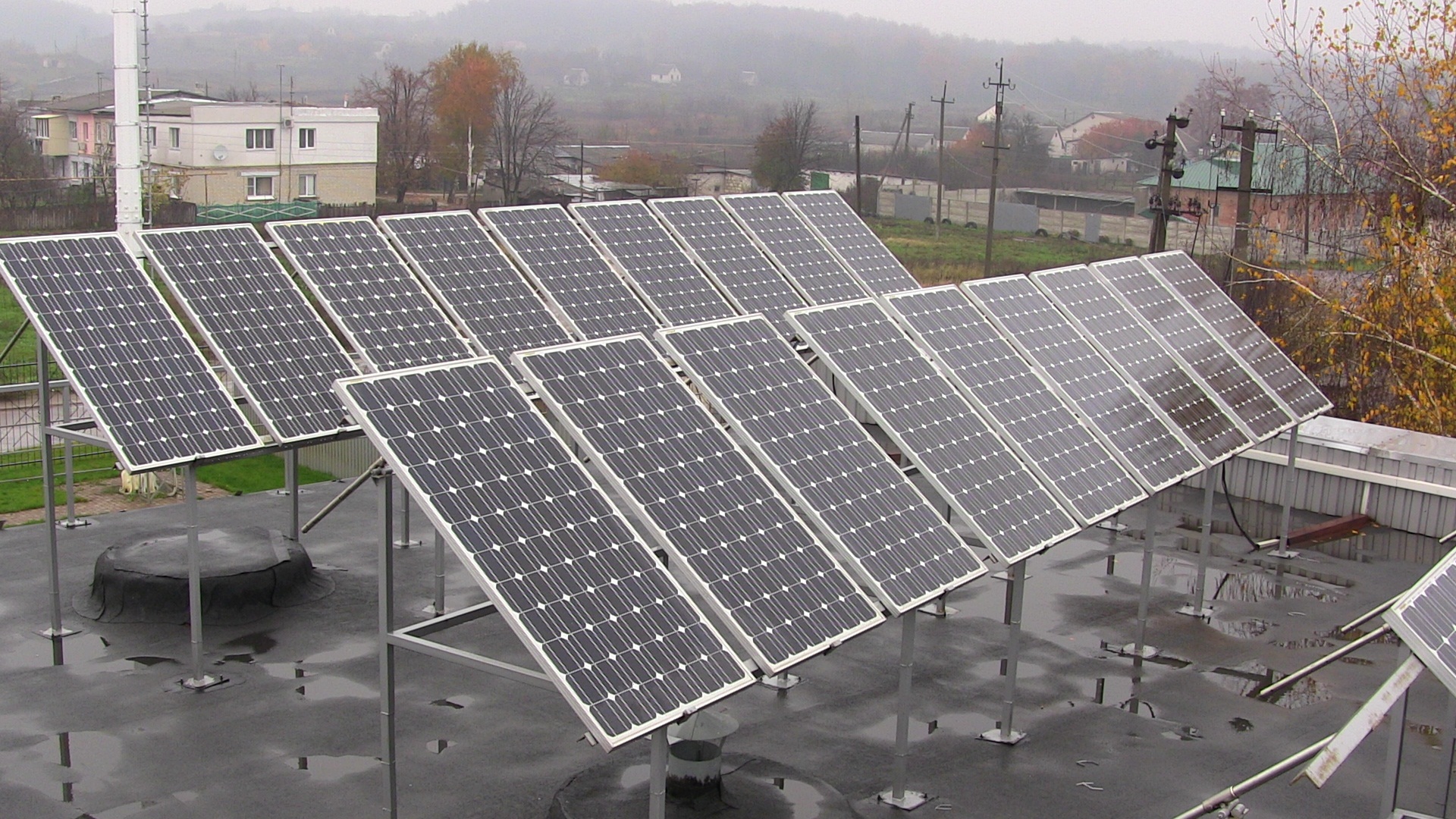
Monocrystalline first-generation solar panels are made up of black solar cells in which panel light interacts with a single silicon crystal to produce electricity. Monocrystalline solar cells appear black because of the way sunlight interacts with pure silicon. While the cells are black, there’s a variety of colors and designs for the back sheets and frames. Let us see some of the advantages of these solar panels:
- The solar panel is highly efficient and produces a high capacity of power.
- Best for homes and businesses which have limited space.
- The cells are placed in a pyramid pattern, which results in an increased surface area for better absorption of solar energy.
- The monocrystalline cells last for up to 30 years.
- They have great heat resistance.
b) Polycrystalline Solar Panels
In polycrystalline solar panels, several fragments of silicon are melted together to form polycrystalline solar panels. Polycrystalline cells are blue in color because of the way sunlight reflects on the crystals. Sunlight reflects off of silicon fragments differently than it does on a pure silicon cell. These panels are blue in color which helps in increasing the efficiency of the solar panels. Here are some features of these solar panels:
- They are more eco-friendly than monocrystalline cells as they do not require individual shaping and placement of each crystal and most of the silicon is utilized during production. So, very less waste is produced.
- These panels are cheaper than monocrystalline panels which makes them a popular choice among buyers.
- They have high power stability.
c) Thin-film Solar Panels
This is a relatively new technology as compared to monocrystalline and polycrystalline solar panels. Thin-film solar panels are made by depositing a thin layer of a photovoltaic substance onto a solid surface, like glass. They come without frames, set in between glasses. This is what makes them flexible. If you want to meet your energy needs, you would need to install a large number of thin-film panels as their efficiency is low as compared to the first two. These solar panels can be black or blue, depending on the material they were made from.
- They are ideal for use in a number of applications.
- Since they are thin, they are more malleable. They can be manipulated into the shapes of tiles.
- They can be easily rolled up and can be easily transported.
- Have lower costs
- The most distinguishing feature of thin-film panels is that they aren’t always made from silicon. They can be made from a variety of materials, including cadmium telluride (Cd-Te), amorphous silicon (a-Si), and Copper Indium Gallium Selenide (CIGS).
If you are considering buying solar panels for your homes or business, make sure you are aware of the key points before you start with the installation process. Remember, installing either monocrystalline, polycrystalline, or thin-film solar panels will help you reduce your electricity costs and help you create a sustainable lifestyle.
Suggested Articles

Flat Roof Solar Installation Guide: Design, Mounting Systems & Best Practices
A practical guide to flat roof solar installation covering key design considerations, mounting system types, and best practices for efficient and reliable performance.

CAPEX or OPEX? How to Choose the Best Solar Ownership Model
Choosing between the CAPEX and OPEX models can greatly impact your solar savings and ownership benefits. This guide explains both models to help you make the right decision.

Sequential Troubleshooting for Grid Power Interruptions in Solar PV Systems
A complete guide to sequential troubleshooting in solar PV systems, helping identify and resolve faults during grid power supply interruptions through systematic testing and diagnosis.

Standalone Solar PV System Startup Guide
A complete guide to identifying, recording, and repairing anomalous conditions in solar PV systems to improve reliability, performance, and safety.

UP Government Incentive: Stamp Duty Exemption for Solar Land
Uttar Pradesh offers stamp duty exemption on land for solar projects, encouraging investment and growth in renewable energy.

How to Safely Install Solar Panels on Metal and Asbestos Rooftops
Discover how solar systems can be installed on metal sheds and asbestos roofs, making factories more energy-efficient and sustainable

Solar PV Procurement Process Guide for EPC & Installers | Step-by-Step
A well-planned procurement process is critical for the success of any solar PV project. This guide explains step-by-step how EPC companies and installers can efficiently source solar panels, inverters, and balance of system components while ensuring quality, cost-effectiveness, and timely delivery.

Civil Structural General Arrangement (GA) Drawing in Solar Projects: Complete Design & Layout Guide
A Civil Structural General Arrangement (GA) drawing in solar projects is a detailed layout that defines the placement of solar modules, mounting structures, inverters, and civil foundations. It plays a crucial role in ensuring accurate design, optimal space utilization, and smooth execution of both rooftop and ground-mounted solar installations. This guide explains the key components, design considerations, and best practices for creating effective GA drawings in solar EPC projects.