
Solar photovoltaic (PV) systems are most efficient when panels receive maximum sunlight throughout the day. Traditional fixed systems capture sunlight at a constant angle, but solar tracking systems dynamically adjust panel orientation to follow the sun’s movement, significantly enhancing solar electricity generation.
Installing a solar tracking system requires careful planning, precise alignment, and proper integration with electrical and mechanical components. If not installed correctly, it can lead to inefficiencies, increased solar installation charges, and higher maintenance costs.
Tracking systems can improve energy output, but must be installed with precision to ensure performance and reliability.
This blog provides a complete step-by-step guide to installing solar tracking systems, helping installers maximize performance and optimize solar panel system cost.
What is a Solar Tracking System?
A solar tracking system is a mechanism that moves solar panels to follow the sun’s path, ensuring optimal exposure to sunlight throughout the day.
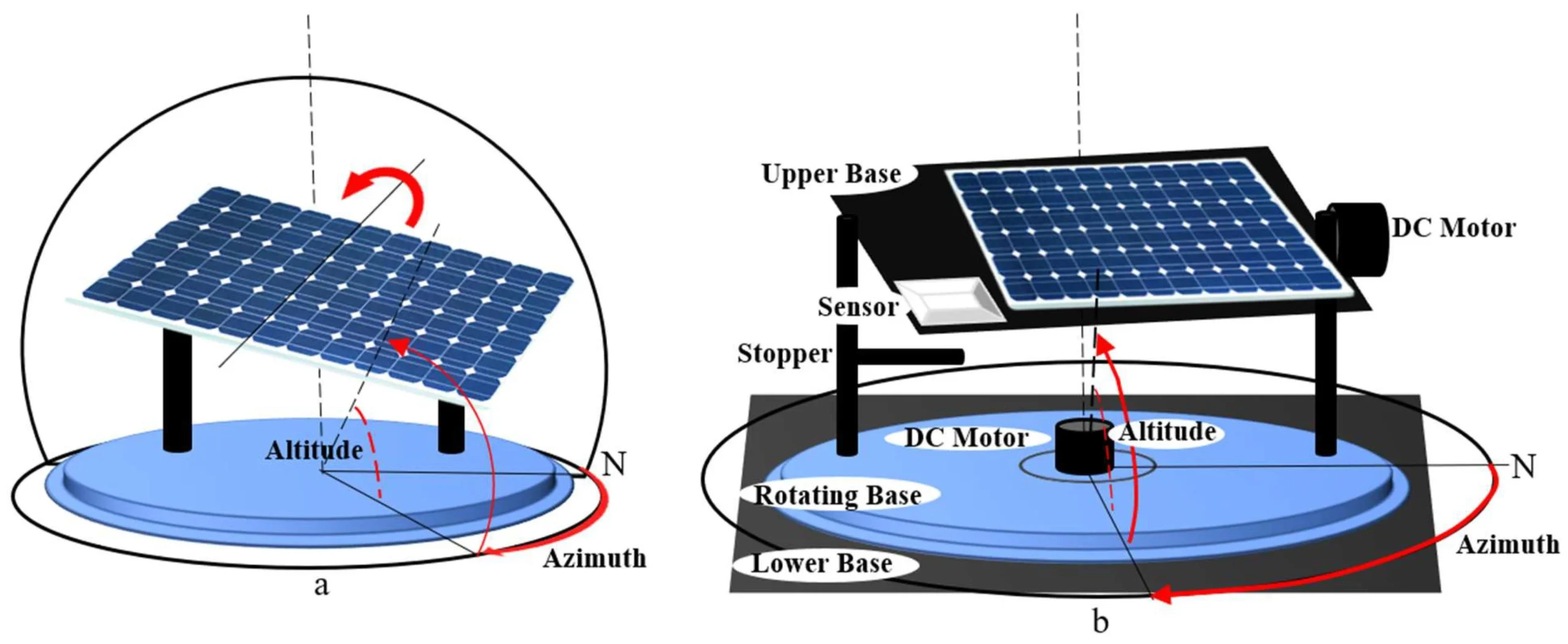
Types of Solar Tracking Systems
1. Single-Axis Tracker
- Moves panels along one axis (east to west)
- Common in large solar plant installations
2. Dual-Axis Tracker
- Moves panels in two directions (horizontal and vertical)
- Provides maximum energy output
Advantages of Solar Tracking Systems
- Increased solar electricity generation (15–30%)
- Better utilization of solar energy
- Higher efficiency compared to fixed systems
- Improved return on investment
Components of a Solar Tracking System
- Tracker structure
- Actuators or motors
- Controller unit
- Sensors (sunlight detection)
- Mounting structure
- Power supply system
Tools and Materials Required
Tools
- Torque wrench
- Spanners and wrenches
- Measuring tape
- Spirit level
- Drilling machine
Materials
- Tracker frames
- Motors and actuators
- Control unit
- Fasteners
- Electrical cables
Pre-Installation Preparation
1. Site Assessment
Evaluate:
- Land availability
- Sunlight exposure
- Soil condition
2. Review Design Documents
Study:
- Layout drawings
- Structural and electrical diagrams
3. Material Inspection
Ensure all components are functional and undamaged.
4. Safety Planning
Prepare safety equipment and procedures.
Step-by-Step Installation Process
Step 1 – Foundation Preparation
- Construct strong foundations
- Ensure proper curing of concrete
Step 2 – Install Tracker Mounting Structure
- Fix mounting posts and frames
- Ensure stability and alignment
Step 3 – Install Drive Mechanism
- Attach motors or actuators
- Ensure proper mechanical connection
Step 4 – Install Tracker Bearings and Joints
- Enable smooth movement of panels
Step 5 – Mount Solar Panels
- Fix panels onto the tracker structure
- Ensure proper alignment
Step 6 – Install Sensors and Controller
- Position sensors for sunlight detection
- Connect the control unit
Step 7 – Electrical Connections
- Connect motors, sensors, and the power supply
- Ensure proper wiring and insulation
Step 8 – Calibration and Testing
- Adjust tracking angles
- Test system movement and response
Step 9 – Final Inspection
- Check alignment and stability
- Verify electrical connections
Quality Checks
1. Alignment Accuracy
Ensure panels track the sun correctly.
2. Mechanical Stability
Check for smooth movement and no vibration.
3. Electrical Safety
Ensure proper insulation and connections.
4. System Calibration
Verify tracking efficiency.
Conclusion
Installing a solar tracking system is an effective way to maximize solar electricity generation and improve overall system efficiency. By following proper installation steps, ensuring precise alignment, and conducting regular maintenance, installers can achieve reliable and high-performing solar PV systems.
Tracking systems must be installed with accuracy and care to deliver optimal results. Additionally, adherence to standards set by the Ministry of New and Renewable Energy ensures safety and reliability.
With the right approach, solar professionals can optimize solar panel system cost, enhance solar electricity generation, and contribute to sustainable solar energy for home use and large-scale renewable solar solutions.
FAQs
Q1. What is a solar tracking system?
Ans: It is a system that moves solar panels to follow the sun.
Q2. How much efficiency improvement can tracking systems provide?
Ans: They can increase energy output by 15–30%.
Q3. What are the types of tracking systems?
Ans: Single-axis and dual-axis tracking systems.
Q4. Does a tracking system increase solar panel system cost?
Ans: Yes, initial cost is higher but long-term efficiency improves.
Q5. Is maintenance required for tracking systems?
Ans: Yes, regular maintenance ensures proper functioning.
Complete Guide to Rooftop Solar Components for Industries
A rooftop solar system for factories typically includes solar panels, inverters, mounting structures, wiring, and monitoring systems. Additional components like net meters and energy storage may also be installed to optimize energy usage and track performance
Blame it on Sun! Average Solar PLFs not satisfactory
Explore the reasons behind low average Solar PLFs, from environmental factors to system design, and learn strategies to boost solar plant performance
Solar ROI for Commercial & Industrial Projects in India: Cost, Payback & Profits
Learn how commercial and industrial solar projects deliver strong ROI for businesses in India through lower energy costs, faster payback, and long-term profit generation.
Identify All Major Components of a Solar PV System: Complete Guide for Installers
Understand all major components of a solar PV system, from panels and inverters to mounting structures and BOS. This complete guide helps installers design efficient and reliable solar power systems.

Net Metering and Its Advantages Explained: How Solar Users Save More on Energy Bills
Learn what Net Metering and its advantages mean for you—cut electricity costs, earn energy credits, and boost solar efficiency easily.
Flat Roof Solar Installation Anchoring Techniques & Safety Guide
A practical guide to flat roof solar anchoring techniques and structural safety, covering secure installation methods for stable and reliable solar systems.

AVANCIS Pushes CIGS Thin-Film Solar Modules Beyond 20% Efficiency
AVANCIS achieves a breakthrough in solar technology, pushing CIGS thin-film modules beyond 20% efficiency for higher performance and energy output.
7 Common Myths about Solar Energy in India
Solar power is not only less expensive, but it is also the most abundant source of clean energy.