
In solar photovoltaic (PV) projects, safety is not an option, it is a necessity. Whether it’s a rooftop installation or a large-scale solar plant, a well-implemented site safety plan and a clean, organized work area are critical for preventing accidents, ensuring smooth operations, and maintaining project quality.
Neglecting safety practices can lead to injuries, equipment damage, delays, and increased solar installation charges. A structured safety approach not only protects workers but also enhances productivity and ensures efficient solar electricity generation.
Safety management is a core component of successful renewable solar installations.
This blog provides a complete guide to implementing a site safety plan and maintaining a clear work area, aligned with industry standards and training practices.
Importance of Site Safety in Solar Projects
A proper safety plan ensures:
- Protection of workers
- Prevention of accidents
- Smooth project execution
- Compliance with regulations
- Reduced solar energy installation cost
A safe site leads to better productivity and reliable solar electricity generation.
Key Elements of a Site Safety Plan
1. Risk Assessment
- Identify potential hazards
- Evaluate risk levels
2. Safety Policies
- Define safety rules and procedures
- Ensure compliance by all workers
3. Emergency Response Plan
- Prepare for accidents and emergencies
- Ensure quick response
4. Training and Awareness
- Conduct safety training sessions
- Educate workers on risks
5. Safety Equipment
- Provide PPE
- Ensure proper usage
Common Hazards in Solar Projects
1. Working at Heights
Risk of falls during rooftop installations.
2. Electrical Hazards
Risk of shocks and short circuits.
3. Material Handling
Heavy equipment can cause injuries.
4. Slips and Trips
Caused by cluttered work areas.
5. Weather Conditions
Rain, heat, and wind can create unsafe conditions.

Maintaining a Clear Work Area
1. Proper Material Storage
- Store materials in designated areas
- Avoid clutter
2. Organized Cable Management
- Route cables neatly
- Prevent tripping hazards
3. Waste Management
- Dispose of waste regularly
- Keep the site clean
4. Clear Pathways
- Maintain access routes
- Ensure easy movement
5. Tool Management
- Keep tools in designated locations
- Avoid leaving tools unattended
Step-by-Step Guide to Implement a Site Safety Plan
Step 1 – Conduct Site Risk Assessment
- Identify hazards
- Plan mitigation strategies
Step 2 – Develop Safety Plan
- Define procedures and responsibilities
Step 3 – Provide Safety Training
- Train workers on safety protocols
Step 4 – Equip Workers with PPE
- Helmets
- Gloves
- Safety shoes
- Harnesses
Step 5 – Implement Safety Measures
- Install safety barriers
- Use warning signs
Step 6 – Monitor Work Area
- Ensure cleanliness
- Remove hazards
Step 7 – Conduct Regular Inspections
- Identify risks
- Take corrective action
Step 8 – Maintain Documentation
- Record incidents
- Track safety compliance
Quality Checks for Safety and Cleanliness
1. PPE Usage
- Ensure all workers wear safety gear.
2. Site Cleanliness
- Check for clutter and waste.
3. Hazard Identification
- Ensure risks are minimized.
4. Compliance with Standards
- Follow safety guidelines and regulations.
Conclusion
Implementing a site safety plan and maintaining a clear work area are critical aspects of solar PV project execution. By following structured safety procedures, ensuring proper training, and maintaining site cleanliness, installers can prevent accidents and improve project efficiency.
Safety management is essential for successful renewable solar installations. Additionally, adherence to standards set by the Ministry of New and Renewable Energy ensures compliance and operational safety.
With proper safety practices, solar professionals can optimize solar panel system cost, enhance solar electricity generation, and contribute to sustainable solar energy for home use and large-scale renewable solar solutions.
FAQs
Q1. Why is a site safety plan important in solar projects?
Ans: It prevents accidents and ensures smooth project execution.
Q2. What are common hazards in solar installations?
Ans: Working at heights, electrical hazards, and material handling risks.
Q3. How can a clear work area improve safety?
Ans: It reduces tripping hazards and improves efficiency.
Q4. Does safety management affect solar panel system cost?
Ans: Yes, it reduces delays and maintenance costs.
Q5. Are safety standards mandatory?
Ans: Yes, compliance is essential for safe and legal operations.
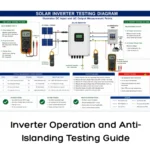
Inverter Operation and Anti-Islanding Testing Guide
A complete guide to solar inverter testing and anti-islanding performance verification, including AC system measurements and commissioning best practices.
How to Identify the Type of Footing Required for Solar PV Installations: Complete Guide
Learn how to identify the right footing for solar PV installations based on soil conditions, load requirements, and site factors. This complete guide covers different foundation types, selection criteria, and practical insights for safe and efficient solar system design.
Solar Net Metering in Industrial Units: Opportunities and Risks
Solar net metering can help factories save on energy costs, but there are key pitfalls to consider. Learn the challenges and best practices for industrial adoption
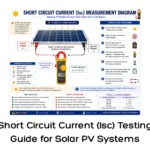
Short Circuit Current (Isc) Testing Guide for Solar PV
A complete guide to measuring short circuit current (Isc) in solar PV systems, including testing methods, safety guidelines, and performance evaluation for accurate system assessment.
How to Read the Electricity Bill Before Deciding Solar Plant Capacity
Load assessment is an essential step before installing a solar PV system. It helps determine electricity consumption and ensures accurate system sizing for optimal solar performance.

How to Connect Solar Panels to Battery: Step-by-Step Guide
Connecting solar panels to a battery is essential for storing solar energy and ensuring power availability when sunlight is low. This step-by-step guide explains how to connect solar panels to a battery safely using a charge controller, wiring diagrams, and best practices for beginners and professionals alike.
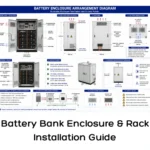
Essential Tools for PV System Testing Guide
A complete guide to battery bank enclosure and rack installation, including site verification, setup procedures, and safety practices for solar PV systems.
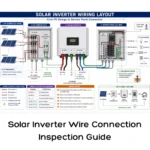
Solar Inverter Wire Connection Inspection Guide
A complete guide to inspecting solar inverter wire connections, identifying damaged cables, loose terminals, and ensuring safe, efficient, and reliable solar PV system operation.