When installing a solar power system, one of the most important technical factors that affects electricity generation is solar radiation on a tilted surface. While sunlight falls naturally on the ground horizontally, solar panels are installed at an angle to capture maximum energy throughout the year.
Understanding how solar radiation behaves on a tilted surface helps in designing efficient systems, estimating solar electricity generation, and optimizing the total cost of solar installation.
What Is Solar Radiation on a Tilted Surface?
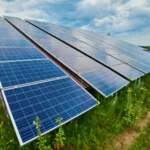
Solar radiation on a tilted surface refers to the amount of sunlight energy received by a surface (like a solar panel) that is inclined at a specific angle instead of being flat.
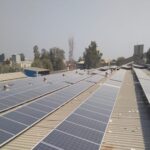
Since solar panels on rooftops are installed at a tilt, the radiation they receive is different from horizontal ground radiation. This tilted exposure allows panels to face the sun more directly, improving energy absorption and overall system performance.
This concept is crucial when calculating solar panel system cost, output, and long-term savings.
Why Are Solar Panels Installed at a Tilt?
Solar panels are tilted because:
- The sun’s position changes throughout the day and year
- Tilt helps panels capture more sunlight for longer hours
- It reduces reflection losses
- It improves energy yield per kW installed
A well-designed tilt angle can significantly improve solar energy installation cost efficiency by increasing generation without adding more panels.
Components of Solar Radiation on a Tilted Surface
Solar radiation reaching a tilted panel has three main components:
Direct Radiation
This is sunlight that falls directly from the sun onto the panel surface. Proper tilt maximizes direct radiation capture.
Diffuse Radiation
This comes from scattered sunlight in the atmosphere. Even on cloudy days, tilted panels receive diffuse radiation.
Reflected Radiation
Sunlight reflected from the ground or nearby surfaces also contributes to total radiation received.
All three together determine how much solar energy for home use or commercial use a system can produce.
How Tilt Angle Affects Solar Output
The tilt angle decides how effectively solar panels capture radiation.
- Too flat → lower winter generation
- Too steep → reduced summer output
- Optimal tilt → balanced year-round production
In India, the ideal tilt angle is usually close to the latitude of the location, which helps achieve higher annual energy yield and better returns on solar roof installation cost.
Tilted Surface Radiation vs Horizontal Radiation
Solar radiation on a tilted surface is usually higher than horizontal radiation, especially in winter months.
This is why:
- Panels face the sun more directly
- Shadows are reduced
- Sunlight exposure duration increases
This directly impacts:
- Cost of solar per kWh installed
- Payback period
- Overall system efficiency
Impact on Solar System Design and Cost
Correct estimation of solar radiation on a tilted surface helps in:
- Choosing the right system size
- Estimating solar installation charges accurately
- Determining solar panel area per kW
- Avoiding oversizing or undersizing
Better radiation utilization means fewer panels can deliver the same output, helping reduce the cost of solar panels and making renewable solar more affordable.
Importance for Residential and Commercial Solar Plants
For Homes
- Improves daily unit generation
- Reduces grid dependency
- Enhances savings on electricity bills
- Makes subsidised solar panels for home more effective
For Commercial & Industrial Plants
- Increases plant performance ratio
- Improves ROI
- Supports better financial planning
- Enhances project bankability
This is why tilt optimization is critical when planning renewable energy technology projects.
How Tilted Radiation Is Used in Energy Calculations
Solar engineers use tilted surface radiation data to:
- Estimate annual energy generation
- Calculate average cost of solar panels on a house
- Compare system designs
- Predict long-term system performance
This data ensures accurate planning of solar plant and other regions with varying climate conditions.
Conclusion: Why Solar Radiation on a Tilted Surface Matters
Solar radiation on a tilted surface plays a key role in determining how efficiently a solar system performs. A well-optimized tilt angle ensures maximum sunlight capture, better electricity generation, and faster recovery of solar panel system cost.
By understanding this concept, homeowners and businesses can make smarter decisions, reduce solar installation cost per kWh, and truly benefit from renewable energy and solar energy solutions.
At Smart Roof Solar, we design every system using accurate radiation and tilt calculations to ensure maximum output and long-term savings.
FAQs
Q1. How does seasonal sun movement affect tilted solar panels?
Ans: Seasonal changes alter the sun’s height and direction, making tilt optimization important for maintaining stable annual energy output.
Q2. Can adjustable tilt solar panels increase generation?
Ans: Yes, adjustable or seasonal tilt systems can improve energy yield, though they may increase installation and maintenance costs.
Q3. Does wind load increase with higher tilt angles?
Ans: Steeper tilt angles experience higher wind pressure, which must be considered during structural and mounting design.
Q4. How does roof orientation impact tilted surface radiation?
Ans: South-facing roofs in the northern hemisphere receive higher radiation, while east–west orientations affect morning and evening generation.
Q5. Is tilt optimization equally important in all climates?
Ans: No, regions with high diffuse radiation (cloudy climates) are less sensitive to tilt compared to clear-sky regions.