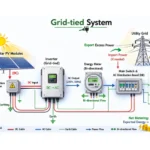
Industrial Solar Power: 7 Reasons to Make the Switch
Today, many businesses are going solar and if you are considering going solar too, then you have come to the right place. This article discusses the benefits of using solar power in the industrial sector. Not only will you play your part in making the planet greener but also enjoy several benefits that perhaps were unknown to you.
Offset your electricity bills
Industries and factories have a high-power demand. From lights to heavy machines, a business whether small or large consumes a lot of electricity. The best way to cut down your electricity bill is to invest in solar energy. Using solar power will reduce your dependency on utility-provided electricity resulting in a reduced electricity bill.
Secure Investment
The fluctuation in electricity prices in India is one of the major factors why people are opting for solar energy. Once the initial cost of your solar power system gets covered, your business will start generating electricity for free. Once you become an energy-producing business, you will protect yourself from any increase in the cost of power. Moreover, if you have enough rooftop solar panels, you can earn money by selling the surplus electricity back to the grid.
Renewable Energy
Due to its geographical location, India receives an ample amount of sunlight and therefore, has tremendous scope for generating solar energy. Being an inexhaustible source of energy, solar energy is the best replacement for other non-renewable energies like fossil fuels in India. While fossil fuels have a damaging effect on our environment and are responsible for global warming, solar energy is renewable and does not cause harm to the environment.
Increase your brand value
Sometimes it can be difficult to attract customers and clients to your business. But don’t worry. With the rise in the number of people going eco-conscious, switching to renewable energy alternatives might be an effective marketing strategy. Nowadays, renewable energy alternatives are on-trend in sustainability practices. By supporting renewable and clean energy, you create a positive image of your brand in the eyes of your customers, shareholders, and society.
Low Maintenance Costs
Solar energy panels do not require a lot of maintenance. All you need to do is keep them clean. There are no moving parts, so there will be no wear and tear. All that needs to be changed are the inverter, wires, and cables, and that too after 5-10 years. This is to ensure that your solar power system works at maximum efficiency. Therefore, once the initial cost of the solar panels is covered, there is a minimal amount you need to spend on their maintenance.
Increase your property value
Installing solar panels on your roof will increase your property’s value. Whether selling or renting your property with solar panel installation, you can ask for a higher cost in return and also make the deal quicker than the same property without the solar panel installation.
Reduce your Carbon Footprint
Unlike conventional energy resources, solar poses no threat to the environment. Since solar energy does not pollute the environment or emit any greenhouse gases, the solar rooftop model helps you reduce your carbon footprint. It is an ideal source of energy that can help to combat climate change as well.
The idea of going solar energy is an option now but will become a compulsion in the future when the non-renewable sources of energy get exhausted. Also, if switching to solar energy is advantageous to your business in so many ways, then why not invest in it? Moreover, by choosing solar, you become a responsible citizen who will help the country achieve its renewable energy targets.
Suggested Articles

Different Components of a Solar PV System: Importance and Operation
Earthing and lightning protection are critical safety components in solar PV installations. This guide explains their importance, types, components, and best practices for solar installers.
Solar Rooftop Subsidy: Why It’s Time for a Change of Mindset
While solar rooftop subsidies help reduce upfront costs, true adoption requires a mindset shift. This guide discusses why businesses and homeowners should focus on long-term benefits, sustainability, and strategic planning beyond relying solely on incentives.

How to Assess Customer Requirements Before Solar Installation
Understanding customer requirements is essential before installing a solar plant. This guide explains key assessment methods such as energy analysis, site survey, and feasibility evaluation.

Updated Rates of Solar Subsidy in Delhi: Cost, Eligibility & Benefits
Discover the latest solar subsidy rates in Delhi for 2025. This guide explains the updated costs, eligibility criteria, and benefits to help you maximize savings on your rooftop solar installation.
How to Calculate Savings from Rooftop Solar Solutions: A Complete Guide
Calculating savings from rooftop solar solutions is essential for planning your investment. This guide explains how to estimate cost reduction, return on investment, and long-term financial benefits for residential, commercial, and industrial solar projects.

Solar Panel Sizes and Features in Delhi/NCR: A Complete Guide
Planning to install solar panels in Delhi/NCR? Explore the different sizes, technologies, and key features of solar panels available for residential, industrial, and commercial use. Learn how to choose the right one for your energy needs and roof space.

Steps for Conducting a Load Assessment Before Solar Installation and Its Requirements
Load assessment is an essential step before installing a solar PV system. It helps determine electricity consumption and ensures accurate system sizing for optimal solar performance.
Generation Based Incentive Proposed for Rooftop Solar in Haryana
Haryana plans to offer Generation Based Incentive (GBI) for rooftop solar installations, promoting clean energy adoption and reducing electricity costs for consumers.