Metal and fabrication units are among the most power-intensive industrial sectors in India. Operations such as cutting, welding, rolling, CNC machining, furnace operation, surface treatment, and heavy material handling demand continuous, high-quality electricity. With grid tariffs steadily rising, solar for metal & fabrication units has become a strategic solution to control costs, stabilize operations, and support sustainability objectives.
By installing solar panel systems on factory rooftops or available industrial land, fabrication units can transition toward renewable energy and solar energy, significantly reducing long-term electricity expenditure.
Why Solar Energy is Ideal for Metal & Fabrication Units
Most fabrication activities run predominantly during daylight hours — perfectly aligned with peak solar electricity generation. This ensures maximum self-consumption, higher system utilization, and faster payback periods.
Solar adoption enables metal units to:
- Reduce heavy electricity bills
- Offset peak-demand charges
- Protect against tariff escalation
- Improve production cost predictability
- Strengthen ESG and environmental compliance
- Actively participate in renewable energy technology transition
With industrial electricity often being one of the largest overheads, solar becomes a direct contributor to profit improvement.
Suitable Solar for Metal & Fabrication Units : System & Types
1. Rooftop Solar Panel Systems
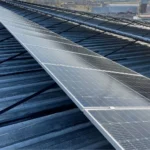
A solar panel in a rooftop plant uses large industrial sheds, machine halls, and warehouse roofs, making it a preferred option for fabrication clusters.
2. Ground-Mounted Solar Plants
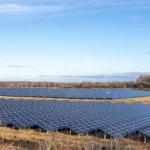
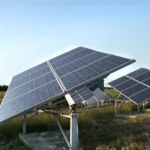
For units with open land or industrial campuses, ground-mounted solar allows higher capacities such as 500 kW to multi-MW installations.
3. Hybrid Solar Systems
Hybrid systems integrate batteries for critical load backup, supporting uninterrupted operations during grid outages.
Solar for Metal & Fabrication Units : Installation Cost
The solar panel system cost for fabrication units depends on plant size, load profile, module efficiency, structure height, and site conditions.
Cost elements typically include:
- Solar module price per watt
- Inverter systems and protections
- Heavy-duty mounting structures
- Cabling and distribution panels
- Engineering, procurement, and installation
- Approvals and safety compliance
Common commercial evaluations involve:
- Solar installation cost per kWh
- Solar energy installation cost
- Solar roof installation cost
- Total cost of solar installation
- Cost of solar per kWh installed
- Home roof solar panels cost (for office and admin blocks)
Larger industrial capacities benefit from reduced per-kW cost, making solar increasingly attractive for fabrication enterprises.
Area Requirement and Structural Planning
Accurate space and structural analysis is critical for metal units due to crane movements, exhaust systems, and heavy machinery.
Key planning parameters include:
- Solar panel area per kW
- Roof load-bearing capacity
- Heat and dust management
- Shadow-free layout design
- Fire and maintenance pathways
Professional engineering ensures solar integration without interfering with fabrication workflows.
Electricity Savings and ROI Potential
Fabrication units typically experience high daytime consumption, enabling solar plants to replace costly grid electricity directly.
Financial benefits include:
- 40-75% reduction in daytime grid usage
- Short payback periods of 3-5 years
- 25+ years of low-cost power generation
- Improved production cost competitiveness
Over its operating life, solar delivers one of the lowest average cost of solar panels on a house or industrial unit, making it a long-term strategic energy investment.
Government Support and Industrial Solar Growth
Although direct subsidies are limited for large fabrication projects, policy support continues through:
- Net metering and open access frameworks
- Banking of renewable power
- Accelerated depreciation benefits
- State-level duty exemptions
- Fast-track grid connectivity
These initiatives support the broader government solar subsidy scheme objectives and promote subsidised solar panels for home and industrial establishments through financial and regulatory incentives.
Smart Technology Used in Plants for Solar for Metal & Fabrication Units
Modern fabrication solar plants utilize:
- High-efficiency solar modules
- Advanced MPPT inverter systems
- Online monitoring and fault alerts
- Predictive maintenance tools
- Performance optimization software
With rapid progress in renewable energy technology, fabrication units can now operate highly intelligent and resilient solar assets.
Making Solar for Metal & Fabrication Units Economical for Fabrication Industries
As the cost of solar panels continues to decline and industrial tariffs rise, solar has become a primary tool for making solar energy economical across fabrication sectors.
Solar not only cuts electricity expenses but also stabilizes operational budgeting, improves tender competitiveness, and strengthens environmental credibility.
Conclusion
Solar for metal and fabrication units is no longer optional, it is a business enabler. It transforms underutilized roof and land areas into high-yield energy assets, improves cost structures, and aligns fabrication operations with sustainable industrial development.
For metal and fabrication enterprises focused on long-term growth, cost efficiency, and compliance readiness, solar energy represents one of the most impactful infrastructure investments available today.
FAQs
Q1. Can solar support high-load machines like CNC and welding units?
Ans: Yes, properly designed solar plants can effectively offset heavy industrial loads.
Q2. Will solar power affect machine performance or precision?
Ans: No, with quality inverters and power conditioning, output remains stable.
Q3. Is rooftop solar safe near high-temperature fabrication zones?
Ans: Yes, systems are engineered to withstand heat and industrial environments.
Q4. Can solar reduce peak demand penalties?
Ans: Yes, solar lowers grid draw during peak daytime demand periods.
Q5. Is dust from fabrication a problem for solar panels?
Ans: Dust impacts output, so scheduled cleaning is included in O&M planning.