
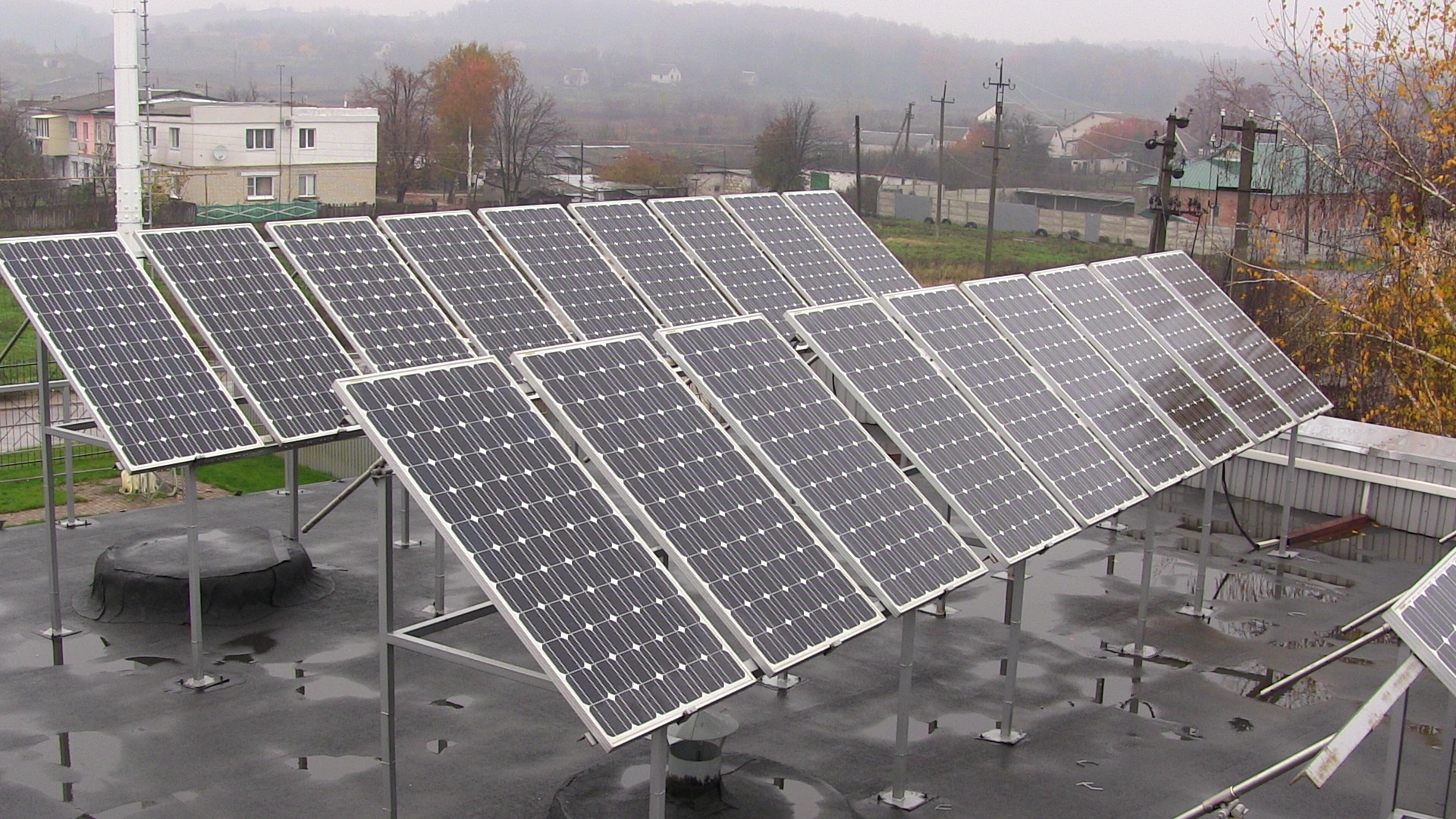
Sloped roof solar installations are one of the most common methods for deploying solar energy for home use, especially in residential and small commercial buildings. A critical aspect of these installations is the secure fixing of roof attachments and anchors, which ensures that the mounting structure remains stable, leak-proof, and durable over time.
Improper anchoring can lead to structural instability, water seepage, reduced solar electricity generation, and increased solar installation charges. Correct installation of roof attachments is essential for safe and efficient solar PV systems.
This blog provides a complete step-by-step guide to installing roof attachments and anchors for sloped roof solar structures, ensuring safety, performance, and optimized solar panel system cost.
What are Sloped Roof Solar Attachments and Anchors?
Roof attachments and anchors are components used to secure solar mounting structures to the roof surface.
They include:
- Roof hooks
- Anchor bolts
- L-feet brackets
- Clamps
These components transfer loads from the solar panels to the building structure.
Importance of Proper Installation
Correct installation ensures:
- Structural stability
- Resistance to wind uplift
- Leak-proof roofing
- Long-term durability
- Efficient solar electricity generation
Improper installation can increase solar energy installation cost due to repairs and maintenance.
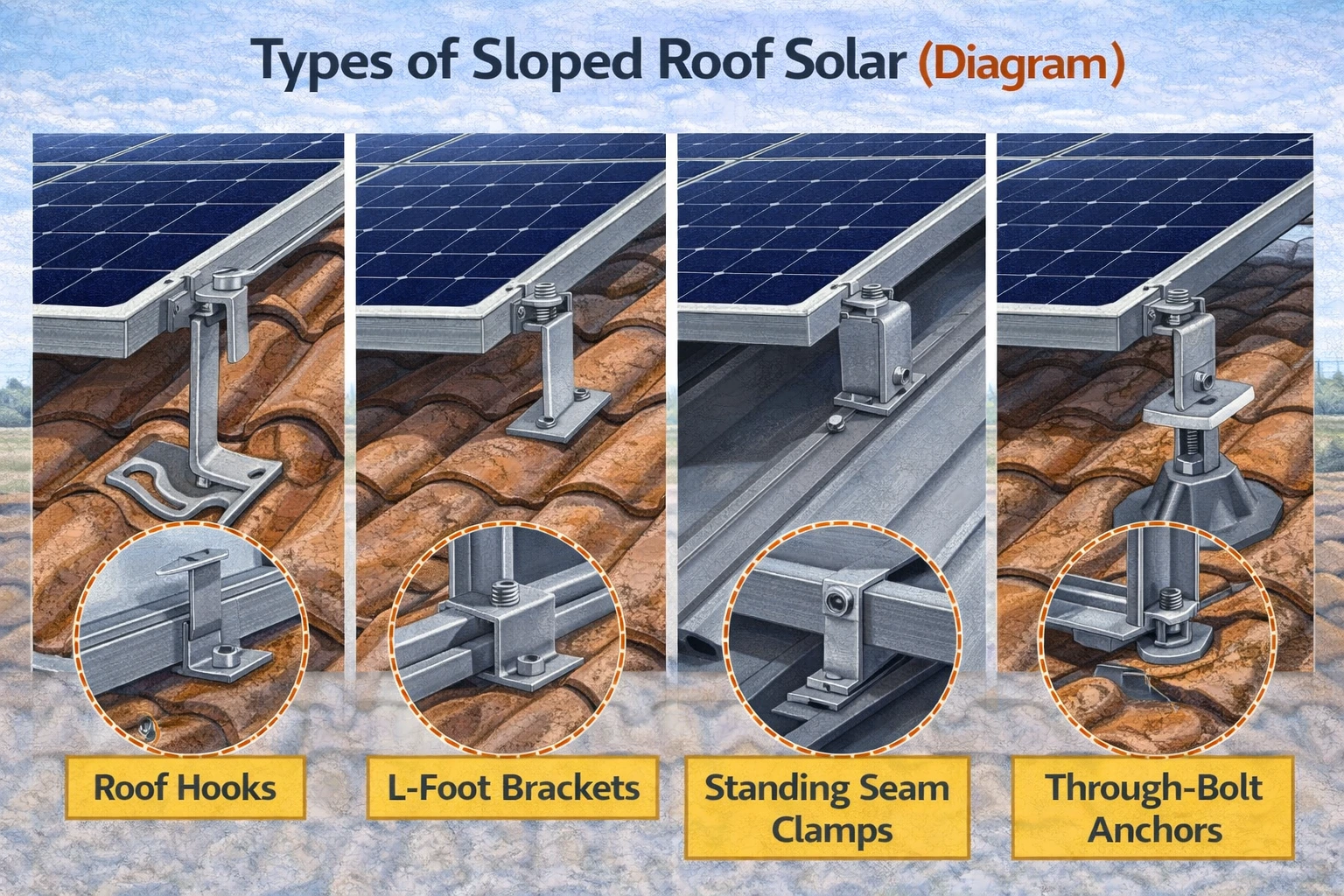
Types of Sloped Roof Solar
1. Roof Hooks
- Used for tile roofs
- Attached to rafters
2. L-Foot Brackets
- Used for metal and RCC roofs
- Fixed using bolts
3. Standing Seam Clamps
- Used for metal roofs
- No drilling required
4. Through-Bolt Anchors
- Fixed directly through roof structure
- Provides strong support
Tools and Materials Required
Tools
- Drilling machine
- Torque wrench
- Spanners
- Measuring tape
- Spirit level
Materials
- Roof attachments (hooks, brackets)
- Anchor bolts
- Fasteners
- Sealants
- Flashing materials
Step-by-Step Installation Process
Step 1 – Site Assessment
Evaluate:
- Roof type (tile, metal, RCC)
- Roof condition
- Structural strength
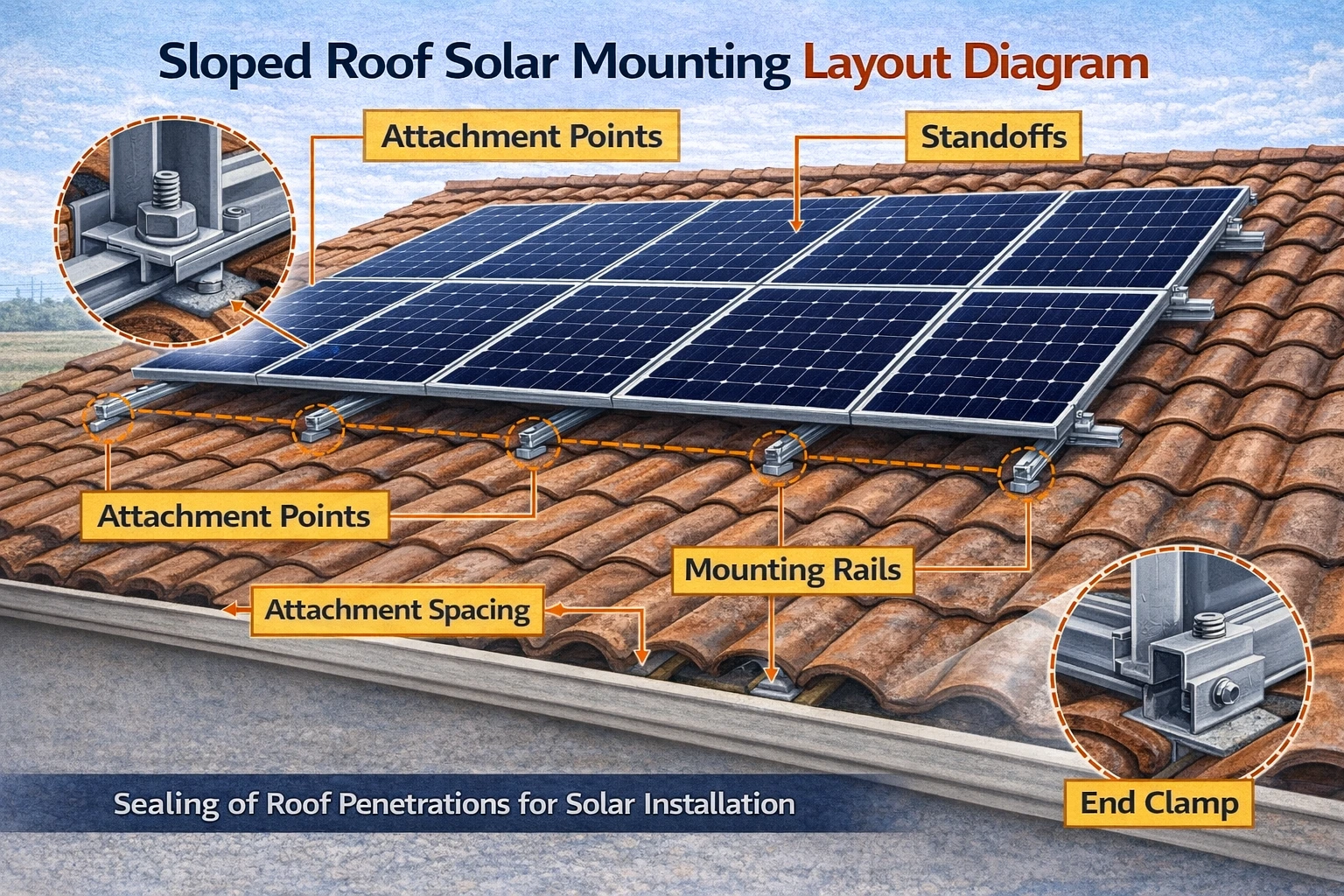
Step 2 – Mark Attachment Points
- Identify rafters or structural supports
- Mark positions as per design
Step 3 – Drill Holes
- Drill at marked locations
- Ensure correct depth and alignment
Step 4 – Install Anchors
- Insert anchor bolts or fasteners
- Fix securely to roof structure
Step 5 – Attach Sloped Roof Solar Mounting Components
- Fix hooks or brackets
- Ensure proper alignment
Step 6 – Apply Waterproofing
- Use sealants and flashing
- Prevent water leakage
Step 7 – Install Mounting Rails
- Attach rails to roof attachments
- Ensure correct spacing and alignment
Step 8 – Tighten and Secure
- Use torque wrench
- Ensure proper fastening
Step 9 – Final Inspection
- Check alignment
- Verify waterproofing
- Ensure stability
Waterproofing Techniques
1. Use of Flashing
Prevents water entry around attachments.
2. Sealants
Seal drilled holes and joints.
3. Proper Installation Technique
Avoid damaging roof materials.
Quality Checks
1. Alignment Check
Ensure all attachments are aligned.
2. Tightness of Fasteners
Verify proper torque application.
3. Leak Testing
Check for water seepage.
4. Structural Stability
Ensure attachments are secure.
Conclusion
The installation of roof attachments and anchors is a crucial step in sloped roof solar PV systems that directly impacts system safety, durability, and performance. By following proper installation procedures, ensuring effective waterproofing, and conducting quality checks, installers can achieve reliable and efficient solar installations.
Correct mounting and anchoring practices are essential for successful solar projects. Additionally, compliance with standards set by the Ministry of New and Renewable Energy ensures safety and quality.
With the right approach, solar professionals can optimize solar panel system cost, enhance solar electricity generation, and contribute to sustainable solar energy for home use and large-scale renewable solar solutions.
FAQs
Q1. What are roof attachments in solar PV systems?
Ans: They are components used to secure mounting structures to the roof.
Q2. Why is waterproofing important in roof attachment installation?
Ans: It prevents water leakage and structural damage.
Q3. Which attachment is used for tile roofs?
Ans: Roof hooks are commonly used for tile roofs.
Q4. How does anchoring affect solar panel system cost?
Ans: Proper anchoring reduces maintenance and long-term costs.
Q5. Are safety measures necessary during installation?
Ans: Yes, they ensure safe working conditions and prevent accidents.
How to Identify the Type of Footing Required for Solar PV Installations: Complete Guide
Learn how to identify the right footing for solar PV installations based on soil conditions, load requirements, and site factors. This complete guide covers different foundation types, selection criteria, and practical insights for safe and efficient solar system design.
Solar PV Battery Types: Complete Installer Guide
A complete guide to the types of batteries used in solar PV systems, helping installers and solar professionals choose the right energy storage solution.
Solar Microgrids: All you need to know
Discover how solar batteries store excess energy, maximize your solar system’s efficiency, and provide reliable power during outages. Learn about the types, benefits, lifespan, and maintenance tips to make the most of your solar investment.
Top Industrial Solar EPC: How to Choose the Right Solar EPC Company for Industries in India
Choosing the right industrial solar EPC is critical for plant performance and ROI. This guide explains how Indian industries can select the best solar EPC partner.
Installation of DC Energy Meters in Solar PV Systems: Step-by-Step Guide
DC energy meters are used in solar PV systems to measure generated DC power and energy. This guide explains installation, wiring, testing, and safety procedures for solar installers.
Solar Panel Orientation and Angles: Guide for Solar PV Installers
Earthing and lightning protection are critical safety components in solar PV installations. This guide explains their importance, types, components, and best practices for solar installers.
500 kW Rooftop Solar for Industries in India: Complete Guide 2026
A complete guide to 500 kW solar for industries covering installation cost, energy generation, ROI, savings, and why it is a smart business investment.
Solar Industry Faces Growing Losses from Underperforming Equipment
According to the Raptor Maps’ Global Solar Report, the amount of power loss due to equipment anomalies has nearly doubled from 1.61% in 2019 to 3.13% in 2022. This trend is expected to continue, with anomaly-driven power loss potentially growing to almost 6% by 2025.