
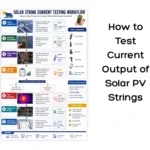
How to Test Current Output of Solar PV Strings
A complete guide to solar PV string current testing, including current measurement, comparison of string outputs, fault identification, and troubleshooting techniques for optimal system performance.
500 kW Solar Power Plant Cost in UP 2025 | Latest Price, Subsidy & ROI
Thinking of setting up a 500 kW solar power plant in Uttar Pradesh? Discover the 2025 cost estimate, available subsidies, and expected ROI. Learn how commercial and industrial projects in UP can reduce energy expenses and achieve long-term savings with solar energy.
Industrial Solar Plants with Diesel Generator Backup: What You Need to Know
Discover how industries can efficiently run rooftop solar plants alongside diesel generators (DG). Learn the benefits, setup tips, and hybrid system strategies to ensure uninterrupted power and maximize energy savings.
Importance of MPPT in Solar System: Maximizing Solar Power Efficiency
MPPT plays a crucial role in solar systems by extracting maximum power from panels under varying conditions. Learn how MPPT improves efficiency, performance, and savings.
The Rise of Clean Energy: Solar Energy Trends in 2023
The solar energy industry is on the rise, as the demand for clean and renewable energy sources continues to increase. 2023 is shaping up to be a big year for the solar energy sector, as new technologies and innovations are expected to drive growth and expand the reach of solar energy.
What Is Solar Performance Ratio (PR)? Meaning, Formula & Importance
Solar Performance Ratio (PR) is a key indicator of how efficiently a solar power system converts available sunlight into usable electricity. This guide explains what PR is, how it is calculated, why it matters, and how it directly impacts your solar system’s actual energy output.
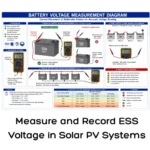
Measure and Record ESS Voltage in Solar PV Systems
A complete guide to measuring and recording energy storage system voltage for battery performance monitoring, troubleshooting, and maintenance.
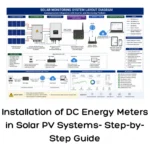
Installation of DC Energy Meters in Solar PV Systems: Step-by-Step Guide
DC energy meters are used in solar PV systems to measure generated DC power and energy. This guide explains installation, wiring, testing, and safety procedures for solar installers.