

How to Safely Install Solar Panels on Metal and Asbestos Rooftops
Discover how solar systems can be installed on metal sheds and asbestos roofs, making factories more energy-efficient and sustainable
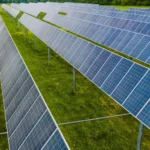
Difference Between Single-Phase and Three-Phase Voltage and Its Use for Solar PV Installer – Complete Guide
Understanding the difference between single-phase and three-phase voltage is essential for solar PV installers. While single-phase supply is common in residential systems, three-phase power is widely used in commercial and industrial solar projects. This complete guide explains electrical phase differences, applications in solar installations, and how choosing the right phase connection impacts system efficiency, safety, and performance.
Solar EPC Installation Tools & Consumables Guide for Civil & Mechanical Work
A complete Solar EPC guide covering essential tools and consumables required for civil and mechanical installation to ensure smooth and efficient project execution.
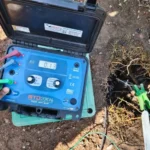
Earthing and Lightning Protection Required for Solar Installation – Complete Guide for Solar Installers
Earthing and lightning protection are critical safety components in solar PV installations. This guide explains their importance, types, components, and best practices for solar installers.

Steps for Conducting a Load Assessment Before Solar Installation and Its Requirements
Load assessment is an essential step before installing a solar PV system. It helps determine electricity consumption and ensures accurate system sizing for optimal solar performance.
Improve Your Power Factor After Solar Installation: Complete Guide
Power factor after solar installation often fluctuates due to system design and load patterns. Learn the key causes, challenges, and solutions for better efficiency.
Solar PV Preventive Maintenance & Logbook Guide
A complete guide to creating a solar PV maintenance schedule and logbook for preventive maintenance, inspections, and accurate maintenance records.
Solar Inverter Specifications Explained: How to Read Datasheets & Choose the Right Inverter
Choosing the right solar inverter is critical for system performance and safety. This guide explains how to read inverter datasheets, understand key specifications, and select the best inverter for your solar project.