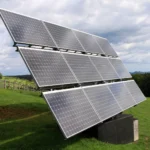
Solar Rooftop Projects: Benefits of Intentional Islanding for Power Backup
Intentional Islanding in solar
Intentional Islanding in solar occurs when a solar rooftop system continues to supply to a load even when the grid is down; this can be very dangerous. Therefore, when the grid is down, the inverter, used in the rooftop system solar power plant for generating solar energy for home/industrial/commercial roof top, stops supplying power.
Intentional Islanding in solar is a technical requirement for inverters strictly mandated by CEA and MNRE. However, in view of frequent grid outages in most States, particularly in industry, commercial and institutional establishments, the rooftop system should be able to disconnect from the grid. Thus system should supply continuously solar power to the loads of such establishments using a battery storage system or in synergy with the backup diesel generator. Otherwise, the solar power will be wasted.
Intentional Islanding in Solar Option 1
Intentional Islanding in solar is possible through additional advanced features to be provided in inverters. The hybrid inverter which could work in the off-grid mode and continue to charge batteries with generated power. The inverter can continue to function in grid-tied mode in synergy with the larger backup diesel generator.
Intentional Islanding in Solar Option 2
Generally, for most industrial, commercial and institutional establishments, the second option is more feasible as they have large existing backup diesel generators for their loads. Such backup facilities already have the required safety features which prevent reverse flow to the grid.
Rooftop solar with the right type of inverter is, therefore, technically feasible even when the grid is down, and can also be more cost-effective compared to costlier diesel generation.
For harnessing the full potential of rooftop solar as envisioned by Government, CEA and MNRE should consider allowing such ‘intentional islanding in solar’ rooftop projects. They should formulate technical specifications of inverters with such additional advanced features for automatic and safe operation.
Ref: Grid Integration of Distributed Solar Photovoltaics (PV) in India, Prayas Energy Group, 2014
Suggested Articles

Is Your Solar PV Rooftop System Safe & Protected?
Worried about the safety of your solar rooftop system? Explore key tips, maintenance practices, and protection strategies to keep your Solar PV system secure and efficient
Benefits of Site Survey in Solar PV Installation
Shadow analysis is a critical step in solar site assessment. It helps solar installers identify shading obstacles and optimize panel placement for maximum energy generation.
How to Calculate PV Power Output? Step-by-Step Guide
Calculating PV power output helps you estimate how much electricity a solar system can generate. This step-by-step guide explains the PV power output formula, examples, and key factors affecting solar energy production.
Solar Panel Sizes and Features in Delhi/NCR: A Complete Guide
Planning to install solar panels in Delhi/NCR? Explore the different sizes, technologies, and key features of solar panels available for residential, industrial, and commercial use. Learn how to choose the right one for your energy needs and roof space.
Solar Net Metering in Industrial Units: Opportunities and Risks
Solar net metering can help factories save on energy costs, but there are key pitfalls to consider. Learn the challenges and best practices for industrial adoption
Single Line Diagram (SLD) in Solar PV Systems: Complete Guide to Design, Symbols & Reading
Learn how to fetch a Bill of Material (BOM) for a solar PV system directly from design documents like SLD, layout, and GA drawings. This step-by-step guide helps installers and EPCs ensure accurate material estimation and efficient project execution.
Delhi charges one of the highest tariffs for commercial load and industrial – average over Rs 10.00 per kWh
Delhi imposes some of the highest electricity tariffs for commercial and industrial consumers, averaging over ₹10 per kWh, impacting businesses and operating costs
Poor vs Good Solar Installation: Key Differences Explained
A solar system’s performance depends heavily on installation quality. This blog explains the clear differences between a poor and good solar installation — from wiring practices and panel alignment to mounting structures and system safety — helping you make an informed choice and ensure long-term efficiency.