
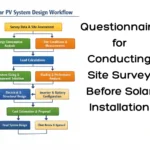
Questionnaire for Conducting Site Survey Before Solar Installation
A proper site survey is critical before solar installation. This questionnaire helps evaluate roof condition, load requirements, shading, and electrical infrastructure to ensure accurate system design and optimal performance.
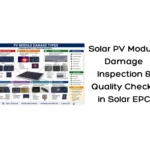
Solar PV Module Damage Inspection & Quality Checks in Solar EPC
A practical solar panel unpacking guide covering safe handling, on-site precautions, and key do’s and don’ts to avoid module damage.
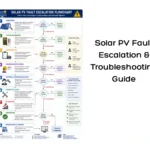
Solar PV Troubleshooting Guide: Fault Diagnosis & Solutions
A complete solar PV troubleshooting guide covering fault diagnosis, testing procedures, root cause analysis, and corrective actions to ensure safe, reliable, and efficient system operation.

Sir! Solar Mein Itna Chalta Hai!” When to Reject a Site: The Truth About Shadow Analysis
Discover the importance of solar site assessment and shadow analysis to optimize rooftop solar performance, prevent shading losses, and maximize energy generation.

Complete Guide to Solar Panel Subsidy Scheme in Haryana
Solar power is not only less expensive, but it is also the most abundant source of clean energy.
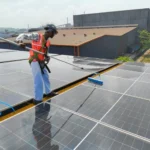
Monitoring Services for Solar Plants by Smart Roof Solar to Maximize Performance and Efficiency
Smart Roof Solar provides advanced monitoring services for solar plants to ensure maximum performance and efficiency. With real-time data tracking and intelligent analytics, our monitoring solutions help detect issues early, reduce downtime, and enhance the overall energy yield of your solar system.

Case Study: Successful Design, Installation, and Commissioning of a 50 kWp Rooftop Solar PV Plant
This case study details our experience in designing, installing, and commissioning a 50 kWp solar PV rooftop power plant. Learn how we overcame technical challenges, optimized system performance, and delivered clean, reliable energy. Discover insights on panel selection, inverter sizing, monitoring, and commissioning processes that ensured maximum efficiency and long-term performance for the rooftop solar installation.
Civil Structural General Arrangement (GA) Drawing in Solar Projects: Complete Design & Layout Guide
A Civil Structural General Arrangement (GA) drawing in solar projects is a detailed layout that defines the placement of solar modules, mounting structures, inverters, and civil foundations. It plays a crucial role in ensuring accurate design, optimal space utilization, and smooth execution of both rooftop and ground-mounted solar installations. This guide explains the key components, design considerations, and best practices for creating effective GA drawings in solar EPC projects.