
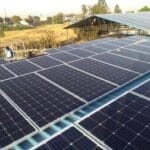
Poor vs Good Solar Installation: Key Differences Explained
A solar system’s performance depends heavily on installation quality. This blog explains the clear differences between a poor and good solar installation — from wiring practices and panel alignment to mounting structures and system safety — helping you make an informed choice and ensure long-term efficiency.

How to Connect a Solar Panel to an MPPT Charge Controller: Step-by-Step Guide
This guide explains how to connect a solar panel to an MPPT charge controller step by step. Learn correct wiring, safety tips, and best practices to ensure efficient and reliable solar power performance.
Solar PV Module Damage Inspection & Quality Checks in Solar EPC
A practical solar panel unpacking guide covering safe handling, on-site precautions, and key do’s and don’ts to avoid module damage.
Measure and Record ESS Voltage in Solar PV Systems
A complete guide to measuring and recording energy storage system voltage for battery performance monitoring, troubleshooting, and maintenance.

Flat Roof Solar Installation Anchoring Techniques & Safety Guide
A practical guide to flat roof solar anchoring techniques and structural safety, covering secure installation methods for stable and reliable solar systems.
Solar PV System Labeling Verification Guide
A complete guide to solar PV system labeling verification, ensuring compliance, safety, proper equipment identification, and efficient maintenance.

Solar Power Set to Overtake Coal as World’s Largest Energy Source in Four Years
Solar power has come a long way in the past decade, moving from being an also-ran to one of the major players in the global energy race. According to the International Energy Agency, next year, solar photovoltaic capacity will surpass hydropower, followed by gas-fired generation in three years and coal in four years.
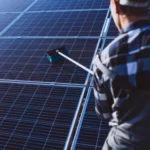
Solar O&M Services: How to Ensure Peak Performance & Maximum Power for Solar System
Discover how Solar O&M services keep your solar system running at its best. From routine maintenance to performance monitoring, ensure maximum power and efficiency.