
In the renewable energy sector, especially in solar PV installations, understanding the difference between electric power and electric energy is fundamental. Many people use these terms interchangeably, but they represent two different electrical concepts. For a solar installer, confusing power and energy can lead to incorrect system sizing, inverter mismatch, improper load calculation, and unrealistic client expectations.
This detailed guide explains electric power vs electric energy, their formulas, units, practical examples, and why mastering this difference is critical for professional solar installers.
What Is Electric Power?
Definition of Electric Power
Electric power is the rate at which electrical energy is produced or consumed. In simple terms, power tells us how fast electricity is being used at any given moment.
Unit of Electric Power:
Watt (W)
Kilowatt (kW) → 1 kW = 1000 W
Formula of Electric Power
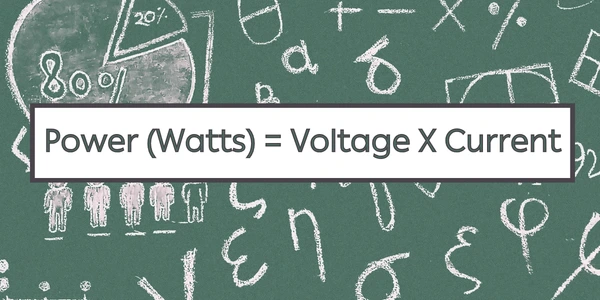
Where:
P = Power (Watts)
V = Voltage (Volts)
I = Current (Amperes)
Example of Electric Power in Solar Systems
If a solar panel produces:
V = 40V; I = 10A
Then:
P = 40 × 10 = 400W
This means the panel can deliver 400 watts of power at that instant.
What Is Electric Energy?
Definition of Electric Energy
Electric energy is the total amount of electricity consumed or generated over a period of time.
While power tells us how fast electricity is used, energy tells us how much electricity is used over time.
Unit of Electric Energy:
Watt-hour (Wh)
Kilowatt-hour (kWh)
Electricity bills are calculated in kilowatt-hours (kWh).
Formula of Electric Energy
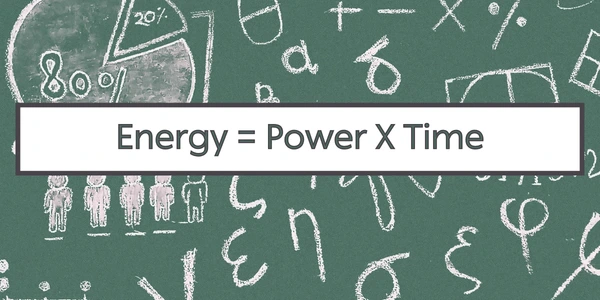
kWh = kW \times Hours
Example of Electric Energy in Solar Systems
If a 1 kW solar system runs for 5 hours:
Energy = 1 kW × 5 hours = 5 kWh
This means 5 units of electricity were generated.
Key Differences Between Electric Power and Energy
Parameter | Electric Power | Electric Energy |
Definition | Rate of Electricity Use | Total electricity used over-time |
Unit | Watt (W), Kilowatt (kW) | Watt-hour (Wh), Kilowatt-hour (kWh) |
Formula | P = V X I | Energy = Power X Time |
Measured by | Wattmeter | Energy Meter |
Solar Context | Panel or Inverter capacity | Daily/monthly generation |
Simple Real-Life Analogy
Think of power like the speed of a car, and energy like the total distance traveled.
Speed (Power) = How fast you are going
Distance (Energy) = How far you travel over time
Similarly:
kW = Instant electrical capacity
kWh = Total electricity produced or consumed
Why Understanding Electric Power and Energy Is Important for Solar Installers
For a solar PV installer, distinguishing between power and energy is critical in the following areas:
1. Correct Solar System Sizing
Clients often say: “I use 300 units per month.”
Units mean kWh (energy), not kW (power).
The installer must calculate:
- Daily energy consumption
- Required system capacity in kW
Confusing the two leads to undersized or oversized systems.
2. Inverter Selection
Inverter capacity is rated in kW (power).
If load demand exceeds the inverter’s power rating, system failure can occur.
Understanding peak power demand ensures proper inverter selection.
3. Load Calculation
Appliances have power ratings (W or kW). Total daily energy consumption depends on usage time.
Example:
1 kW load running 5 hours = 5 kWh energy
Accurate calculations prevent system overload.
4. Estimating ROI and Payback
Solar savings depend on energy production (kWh), not just power capacity (kW).
For example:
10 kW system generating 40 kWh daily
Monthly generation ≈ 1200 kWh
Financial planning depends on energy output.
5. Battery Sizing
Battery capacity is measured in kWh (energy storage). Load demand is calculated in kW (power).
Both must be matched carefully.
Common Mistakes Due to Confusion
- Installing a 5 kW system for a 5 kWh daily requirement
- Ignoring peak load demand
- Misinterpreting electricity bills
- Incorrect battery backup planning
Professional solar installers must clearly explain the difference to customers.
For a clear understanding:
Sno. | Electrical Term | Symbol of term | Unit of measurement | Symbol of unit | Alternate unit |
1 | Voltage | V | Volt | V | mV |
2 | Current | I | Ampere | A | mA |
3 | Power | P | Watt | W | kW, MW |
4 | Energy | E | Watt-Hour | Wh | kWh |
Conclusion
Understanding the difference between electric power and energy is essential for accurate solar PV system design and installation. Power (kW) represents the rate at which electricity is used or produced, while energy (kWh) represents the total amount consumed or generated over time.
For solar installers, this distinction directly impacts system sizing, inverter selection, battery planning, load management, and financial calculations. Misinterpreting power and energy can result in costly design errors and dissatisfied clients.
As renewable energy adoption grows, professional expertise in electrical fundamentals like power and energy ensures efficient, safe, and economically viable solar installations. Mastering this concept is not just technical knowledge; it is a core competency for every successful solar installer.
FAQs
Q1. What is the main difference between power and energy?
Ans: Power is the rate of electricity use; energy is the total electricity used over time.
Q2. What does kW mean in solar systems?
Ans: A kilowatt represents power capacity.
Q3. What does kWh mean on an electricity bill?
Ans: A kilowatt-hour represents energy consumption.
Q4. Why is kW important for inverter selection?
Ans: It determines the maximum load handling capacity.
Q5. Why is kWh important for solar system sizing?
Ans: It determines the total daily energy requirement.
Renewable Energy Hits New Heights: 440 GW Capacity in 2023
Learn how global renewable energy capacity is set to surpass 440 GW in 2023, marking record growth and a major shift toward clean, sustainable power.
End of Rooftop Solar Subsidy for Industrial & Commercial Consumers: What You Need to Know
The rooftop solar subsidy for industrial and commercial consumers is coming to an end. This guide explains the implications for businesses, updated policies, and strategies to adopt solar power without relying on subsidies.

What Is Global Tilted Irradiation (GTI) in Solar Energy? Explained Simply
Solar panel wattage and ratings decide how much electricity you generate. This guide explains panel output, efficiency, and how to choose the right solar panel for your needs.
Poor vs Good Solar Installation: Key Differences Explained
A solar system’s performance depends heavily on installation quality. This blog explains the clear differences between a poor and good solar installation — from wiring practices and panel alignment to mounting structures and system safety — helping you make an informed choice and ensure long-term efficiency.

Rooftop Solar for Factories: Cost, Benefits, ROI & Installation Guide in India
Learn how rooftop solar for factories in India lowers power costs with high ROI, faster payback, and long-term energy savings for industrial facilities.
Agrivoltaics: Merging Solar Power with Farming
Discover how solar batteries store excess energy, maximize your solar system’s efficiency, and provide reliable power during outages. Learn about the types, benefits, lifespan, and maintenance tips to make the most of your solar investment.

Latest MNRE List: Approved Solar Module Manufacturers
Check the latest MNRE-approved list of solar module manufacturers to ensure quality and compliance for your solar projects in India.

1 MW Solar Power Plant Cost in Rajasthan: A Complete Guide
A detailed guide on the cost of setting up a 1 MW solar power plant in Rajasthan. Learn about pricing, EPC components, land needs, subsidies, and expected payback for commercial and industrial users.