
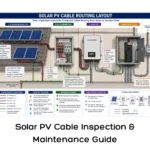
Solar PV Cable Inspection & Maintenance Guide
A complete guide to inspecting service panel connections in solar PV systems, including connection verification, electrical safety checks, preventive maintenance, and troubleshooting techniques.
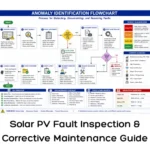
Solar PV Fault Inspection & Corrective Maintenance Guide
A complete guide to identifying, recording, and repairing anomalous conditions in solar PV systems to improve reliability, performance, and safety.
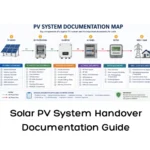
What to Expect from a Solar PV System
A complete guide to preparing solar PV system handover documentation, covering technical records, commissioning reports, equipment warranties, operating instructions, and maintenance documents for customers.
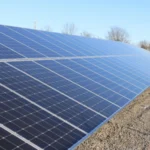
Connection in Series and Parallel: Meaning, Differences, Formula & Applications
Understanding the difference between single-phase and three-phase voltage is essential for solar PV installers. While single-phase supply is common in residential systems, three-phase power is widely used in commercial and industrial solar projects. This complete guide explains electrical phase differences, applications in solar installations, and how choosing the right phase connection impacts system efficiency, safety, and performance.
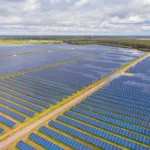
Fire Hazard in a Solar Setup at Rice Mill, Kaithal – Case Study and Safety Insights
A recent fire incident at a rice mill in Kaithal highlights the critical importance of safety in solar installations. This case study analyzes the root causes, system faults, and preventive actions that can help industries avoid similar hazards in their solar setups.
How to Read the Electricity Bill Before Deciding Solar Plant Capacity
Load assessment is an essential step before installing a solar PV system. It helps determine electricity consumption and ensures accurate system sizing for optimal solar performance.
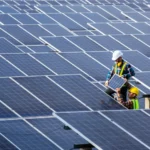
Renewable Energy Hits New Heights: 440 GW Capacity in 2023
Learn how global renewable energy capacity is set to surpass 440 GW in 2023, marking record growth and a major shift toward clean, sustainable power.

Complete Guide to Solar Panel Subsidy Scheme in Haryana
Solar power is not only less expensive, but it is also the most abundant source of clean energy.