When planning a solar power system, choosing the right inverter is just as important as selecting the solar panels. Two of the most common options available today are on-grid inverters and hybrid solar inverters. While both help convert solar power into usable electricity, their working, benefits, and applications are quite different.
In this blog, we explain the difference between an on-grid inverter and a hybrid solar inverter, so you can decide which one suits your home or business best.
What Is an On-Grid Solar Inverter?
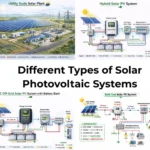
An on-grid inverter works directly with the electricity grid. It converts DC power generated by solar panels into AC power and supplies it to your home or exports excess power to the grid.
On-grid inverters:
- Do not use batteries
- Stop working during power cuts
- Help reduce electricity bills through net metering
They are commonly used where grid supply is reliable, and the goal is to lower solar electricity bills.
What Is a Hybrid Solar Inverter?
A hybrid solar inverter combines the features of both on-grid and off-grid systems. It works with solar panels, batteries, and the grid at the same time.
Hybrid inverters:
- Store solar energy in batteries
- Provide power during outages
- Switch automatically between solar, battery, and grid
They are ideal for users who want both savings and backup, especially for solar energy for home use.
Major Difference Between On-Grid and Hybrid Inverters
1. Battery Support
- On-grid inverters do not support batteries.
- Hybrid solar inverters are designed to work with battery storage.
2. Power During Outages
- On-grid systems shut down during power cuts for safety reasons.
- Hybrid systems continue to supply power using batteries.
3. Energy Independence
- On-grid systems depend completely on grid availability.
- Hybrid systems reduce dependency on the grid by storing solar energy.
4. Installation Cost
- On-grid systems have a lower upfront solar installation cost.
- Hybrid systems cost more initially but provide backup and long-term value.
Comparison Table: On-Grid vs Hybrid Solar Inverter
Feature | On-Grid Inverter | Off-Grid Inverter |
Battery Support | No | Yes |
Power during outage | No | Yes |
Grid dependency | High | Low |
Initial cost | Lower | Higher |
Long-term flexibility | Limited | High |
Which Inverter Is Better for Rooftop Solar?
On-Grid Inverter Is Best If you:
- have a reliable grid supply
- want a lower solar panel system cost
- goal is only bill reduction
Hybrid Solar Inverter Is Best If you:
- face frequent power cuts
- want backup power
- want to maximise solar usage
Both options work well with solar panel in rooftop installations, but the choice depends on your needs.
Impact on Solar Installation Cost and Savings
On-grid systems:
- Lower upfront total cost of solar installation
- Faster payback through net metering
Hybrid systems:
- Higher upfront investment
- Better long-term savings and energy security
- Lower cost of solar per kWh installed over time
Hybrid systems also help protect against rising electricity tariffs.
Role of MPPT in Both Inverters
Both on-grid and hybrid inverters use MPPT (Maximum Power Point Tracking) technology. MPPT ensures:
- Maximum energy extraction from panels
- Better performance in low sunlight
- Improved system efficiency
This helps optimise solar module price per watt and overall system output.
Which One Makes More Sense in India?
In India, the choice depends on:
- Grid reliability
- Power cut frequency
- Budget
- Backup requirements
Urban areas with stable grid supply often choose on-grid systems, while semi-urban and industrial users prefer hybrid systems for reliability and uninterrupted solar electricity.
Conclusion: On-Grid vs Hybrid – Choose Based on Your Needs
The difference between an on-grid inverter and a hybrid solar inverter lies in backup capability and flexibility. On-grid systems are cost-effective for bill savings, while hybrid systems offer the added advantage of power backup and energy independence.
At Smart Roof Solar, we help customers choose the right inverter based on usage, budget, and long-term goals, ensuring maximum value from renewable energy and solar energy investments.
FAQs
Q1. Does net metering work with hybrid solar inverters?
Ans: Yes, hybrid inverters can support net metering if configured and approved by the utility.
Q2. Are hybrid inverters compatible with future battery upgrades?
Ans: Most hybrid inverters are battery-ready, allowing easy battery addition later.
Q3. Which inverter type is better for areas with voltage fluctuations?
Ans: Hybrid inverters handle voltage variations better due to battery buffering.
Q4. Do hybrid inverters consume power when idle?
Ans: They consume minimal standby power, slightly higher than on-grid inverters due to battery management.
Q5. Is system monitoring different for on-grid and hybrid inverters?
Ans: Both support monitoring, but hybrid systems provide more detailed battery and backup data.