Solar Projects Challenges in India: Module Supply Shortages and Policy Delays Slow Growth
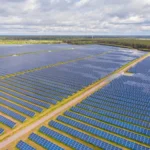
Investment in the Indian solar projects decreased by 171% year-over-year to $1.03 billion in Q1 2023. This was due to a 30% decline in solar installations, which was primarily caused by the postponement of several large solar projects.
The overall investments in solar projects were also affected by decreased capital inflows into manufacturing during the same period. The investments were affected, given the suspension of the Approved List of Models and Manufacturers regulations, the consequent demand uncertainty, and deferred capacity expansion plans.
However, there were a few important investment deals during the quarter, including:
- A $450 million investment in Hero Future Energies by Ardor Holding II Pte, a special purpose vehicle indirectly owned by global investment firm Kohlberg Kravis Roberts.
- A capital infusion of ₹20 billion (~$260 million) in Tata Power Renewable Energy from UK-based GreenForest New Energies.
- A green financing loan of ₹9.15 billion (~$111 million) from the Japan Bank for International Cooperation to construct two solar power projects in India by government-owned SJVN.
- A ₹3.03 billion (~$37 million) green bonds issue by the Indore Municipal Corporation, which was oversubscribed by 1.24 times.
- A $25 million equity and debt capital raise in Ecozen’s Series C round.
These deals suggest that there is still interest in the Indian solar sector, despite the recent decline in investments. However, it is important to note that the sector is facing a number of challenges, which will need to be addressed in order to sustain its growth.
Suggested Articles

How to Choose Solar Panel Mounting Structures for Home, Industry & Commercial Installations
Choosing the right mounting structure is crucial for solar panel efficiency and durability. This blog explains various types of mounting structures for residential, industrial, and commercial solar installations, including rooftop, ground-mounted, and hybrid systems, to help you make an informed decision.

Solar System for FMCG Industry: Cost, Benefits, Installation & ROI in India
A complete guide on solar systems for the FMCG industry in India covering installation cost, benefits, ROI, system sizing, and the installation process.

Top Solar Companies & Suppliers in Delhi/NCR – A Complete Guide
Looking for trusted solar panel suppliers in Delhi/NCR? Explore leading solar companies serving Gurgaon, Noida, Faridabad, Manesar, and Ghaziabad. Compare product quality, technology, and services to choose the right solar partner for your home, business, or factory.

1MW Solar Power Plant Construction Cost & Profit in India
Choosing the right industrial solar EPC is critical for plant performance and ROI. This guide explains how Indian industries can select the best solar EPC partner.

How to Identify the Type of Footing Required for Solar PV Installations: Complete Guide
Learn how to identify the right footing for solar PV installations based on soil conditions, load requirements, and site factors. This complete guide covers different foundation types, selection criteria, and practical insights for safe and efficient solar system design.

100 kW Solar Power Plant in Indore – Latest Cost, Subsidy & Payback Period
A 100 kW solar plant in Indore costs around ₹40–55 lakh in, offering annual savings of up to ₹10 lakh and a payback period of 4–6 years. Learn about installation, maintenance, and ROI to make your solar investment worthwhile.

Financing made easy for the Rooftop Solar Projects
Switching to solar is easier than ever with flexible financing options. This guide explains how to fund your rooftop solar project through loans, subsidies, and government schemes to make clean energy more affordable and sustainable.

Solar Rooftop Subsidy: Why It’s Time for a Change of Mindset
While solar rooftop subsidies help reduce upfront costs, true adoption requires a mindset shift. This guide discusses why businesses and homeowners should focus on long-term benefits, sustainability, and strategic planning beyond relying solely on incentives.