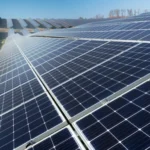
Solar Power Park Scheme: Central Government Expands Clean Energy Initiative
NEW DELHI Solar Power Park Scheme
The Union government plans to launch the second phase (solar power park scheme) of a dedicated program to develop solar parks across the country that will aim to plug loopholes and overcome slow progress.
Two officials with knowledge of the matter said the expanded scheme would seek to address the issue of solar park developers failing to make initial investments and delaying the development of projects till they receive money from power producers who place bids to develop power in such projects. The government is also looking to address the issue of inflated detailed project reports (DPR), they said.
According to one of the officials, “The people who come for developing solar parks, they don’t put in any money. They first do the bids for power developers. The money which comes from bids, they develop the solar parks.”
The scheme, which is known as ‘Development of Solar Parks and Ultra Mega Solar Power Projects’, was launched in December 2014 to help solar project developers set up projects in a plug-and-play model. The scheme is valid till the end of this fiscal. The government now plans to launch the second phase of this scheme with a focus on floating solar projects.
“We are thinking of expanding the scheme and coming up with a second part, particularly to take care of floating solar parks. The cost is higher in floating solar parks. Subsidy rates will be better,” the second official said. The focus on floating solar parks will reduce the need for vast stretches of land to set up similar parks.
However, the technology for floating solar module projects, wherein photovoltaic solar panels are mounted on floating structures on water bodies, is expensive. Under the current scheme, the MNRE provides central financial assistance (CFA) of up to ₹20 lakh per MW or 30% of the project cost, including grid-connectivity cost, whichever is lower. The solar parks are developed in partnerships with state governments and their agencies, CPSUs, and private entrepreneurs.
The implementing agency is termed as a solar power park developer (SPPD). Post the selection of the SPPD, bids are sought for power developers, which are largely independent power producers (IPP) to produce power at the site in a plug-and-play model.
On the instances of SPPDs lagging in infrastructure development, Amit Kumar, partner, and leader for Power, Utilities and Mining, PwC India said: “The scheme is aimed at providing a plug-and-play model of infrastructure for the power developers, but the opposite happens in some instances where the SPPD starts development of the project only after the money comes in from the IPPs. This delays the project.”
Further, according to sector experts, project development is delayed even if the SPPDs receive a grant from the Centre for the project.
Suggested Articles

Solar Farm Development: Overcoming the Rising Challenge of Wiring Costs
Wiring costs are soaring in solar farms, affecting project budgets and timelines. Learn why infrastructure is becoming a key challenge.

Steps for Conducting a Load Assessment Before Solar Installation and Its Requirements
Load assessment is an essential step before installing a solar PV system. It helps determine electricity consumption and ensures accurate system sizing for optimal solar performance.
UPNEDA Solar Subsidy 2025: How to Maximize Savings on Rooftop Solar
Discover how the UPNEDA Solar Subsidy 2025 can help you cut electricity costs and make rooftop solar more affordable. Learn about eligibility, subsidy rates, and the step-by-step application process.
How to Connect a Solar Panel to an MPPT Charge Controller: Step-by-Step Guide
This guide explains how to connect a solar panel to an MPPT charge controller step by step. Learn correct wiring, safety tips, and best practices to ensure efficient and reliable solar power performance.
Solar PV AC Power Hazards Guide
A complete guide to identifying AC power hazards in solar PV systems and following safe work practices during installation, testing, operation, and maintenance.
What Is Solar Panel Efficiency? Meaning & Impact on Power Generation
Solar panel efficiency refers to how effectively a solar panel converts sunlight into usable electricity. This guide explains what solar panel efficiency means, why it matters, and how it directly impacts your solar system’s power output, space requirements, and overall performance.
Rooftop Solar: Reduce Your Electricity Bill and Increase Savings
Discover how installing a rooftop solar system can help you save on electricity bills, reduce peak demand charges, and take advantage of government incentives.
Earthing & Lightning Protection Testing for Solar PV Systems
A complete guide to earthing and lightning protection testing for solar PV systems, ensuring safety, regulatory compliance, and long-term system reliability.