Solar Power Park Scheme: Central Government Expands Clean Energy Initiative
NEW DELHI Solar Power Park Scheme
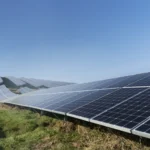
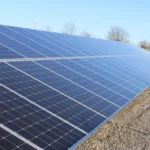
The Union government plans to launch the second phase (solar power park scheme) of a dedicated program to develop solar parks across the country that will aim to plug loopholes and overcome slow progress.
Two officials with knowledge of the matter said the expanded scheme would seek to address the issue of solar park developers failing to make initial investments and delaying the development of projects till they receive money from power producers who place bids to develop power in such projects. The government is also looking to address the issue of inflated detailed project reports (DPR), they said.
According to one of the officials, “The people who come for developing solar parks, they don’t put in any money. They first do the bids for power developers. The money which comes from bids, they develop the solar parks.”
The scheme, which is known as ‘Development of Solar Parks and Ultra Mega Solar Power Projects’, was launched in December 2014 to help solar project developers set up projects in a plug-and-play model. The scheme is valid till the end of this fiscal. The government now plans to launch the second phase of this scheme with a focus on floating solar projects.
“We are thinking of expanding the scheme and coming up with a second part, particularly to take care of floating solar parks. The cost is higher in floating solar parks. Subsidy rates will be better,” the second official said. The focus on floating solar parks will reduce the need for vast stretches of land to set up similar parks.
However, the technology for floating solar module projects, wherein photovoltaic solar panels are mounted on floating structures on water bodies, is expensive. Under the current scheme, the MNRE provides central financial assistance (CFA) of up to ₹20 lakh per MW or 30% of the project cost, including grid-connectivity cost, whichever is lower. The solar parks are developed in partnerships with state governments and their agencies, CPSUs, and private entrepreneurs.
The implementing agency is termed as a solar power park developer (SPPD). Post the selection of the SPPD, bids are sought for power developers, which are largely independent power producers (IPP) to produce power at the site in a plug-and-play model.
On the instances of SPPDs lagging in infrastructure development, Amit Kumar, partner, and leader for Power, Utilities and Mining, PwC India said: “The scheme is aimed at providing a plug-and-play model of infrastructure for the power developers, but the opposite happens in some instances where the SPPD starts development of the project only after the money comes in from the IPPs. This delays the project.”
Further, according to sector experts, project development is delayed even if the SPPDs receive a grant from the Centre for the project.
Suggested Articles

Solar Industry Faces Growing Losses from Underperforming Equipment
According to the Raptor Maps’ Global Solar Report, the amount of power loss due to equipment anomalies has nearly doubled from 1.61% in 2019 to 3.13% in 2022. This trend is expected to continue, with anomaly-driven power loss potentially growing to almost 6% by 2025.

Rooftop Solar for Factories: Maximum kW You Can Install
Industrial rooftop solar guide: Understand KW capacity limits, installation guidelines, and best practices for factories and manufacturing units

Haryana Electricity Tariff Hike Impacts All Consumer Categories in 2015-16
Haryana electricity tariffs were increased across all consumer categories in 2015-16, raising power costs for households, industries, and businesses statewide.

Fixed Structure – Solar Mounting Post Installation Guide
A step-by-step guide to solar mounting post installation for fixed structures, covering alignment, positioning, and best practices for durable solar foundations.

How Are Solar PV Modules Made? Complete Guide to the Manufacturing Process
Choosing the right solar panels can be confusing with so many options in the market. This guide simplifies solar panel selection by comparing types, efficiency ratings, and cost factors. Whether for your home, business, or industry, learn how to make an informed decision and maximize the return on your solar investment.

UP Government Incentive: Stamp Duty Exemption for Solar Land
Uttar Pradesh offers stamp duty exemption on land for solar projects, encouraging investment and growth in renewable energy.

Solar Chankya: Complete Guide to Solar Systems and Components
Discover the key components of solar systems—from panels to inverters and batteries—and how they work together for efficient energy solutions

How to Improve Energy Efficiency and Save Electricity Costs
Learn how energy conservation and efficiency can help you save electricity, cut costs, and make your home or business more sustainable