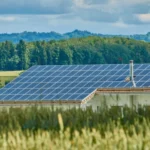
Industrial Solar Plants with Diesel Generator Backup: What You Need to Know
Many industries in Delhi/NCR (Kundali, Sonipat, Faridabad, Bahudargarh, Manesar, Bawal, Ghaziabad, Greater Noida etc) have to still depend on the Diesel Generator sets for running factories for few hours daily. What happens if the discom supply is disrupted during the sunny hours when the sun is still out generating the power?
Grid tied solar plants or On-grid solar systems will run when the Discom power is available as the solar inverters have in built feature which commands the solar system to generate power when it can sense that the supply is available from other sources. Such a feature is built in solar inverters as the solar power is an intermittent source of electricity supply which provides variable output depending on the solar intensity at that moment. Hence if suddenly the clouds cover the sun, the solar generation will dip making the system unstable.
Therefore, solar has to always run in conjunction with any other dependable and stable source of supply like Discom power, DG power or the batteries.
Rooftop Solar with DG
As the batteries are quite expensive and need to be replaced periodically, most factories depend on the DGs for the back up power. Solar can be connected to the DG panel directly as it is connected to the LT panel of the Discom supply in the factories. Certain protections require to be built in based on the DG sizing however. Also, the factory load that can be served by solar should never be more than the DG supply which means that the primary supply source will always remain the DG.
So, the size of solar plant cannot be more than that of the DG size as the solar alone cannot take the factory or plant’s load.
Solar will help to reduce the diesel consumption during the DG hours as the DG will run at lower loads and even idle loads depending on the system design. For the system to work smoothly, if there are multiple DGs, they should be synchronized (manually or automatically) before they are put in sync with the rooftop solar system.
Suggested Articles

CAPEX or OPEX? How to Choose the Best Solar Ownership Model
Choosing between the CAPEX and OPEX models can greatly impact your solar savings and ownership benefits. This guide explains both models to help you make the right decision.

Researchers Develop Technique to Improve Durability of Perovskite Solar Cells
Researchers have introduced a new technique to enhance the durability of perovskite solar cells, paving the way for more reliable and long-lasting renewable energy solutions.
Tools and Tackles Required for Installation of Solar PV Panels: Complete Installer Checklist
Proper tools and tackles are essential for efficient and safe solar PV installation. This guide provides a complete checklist of mechanical, electrical, and safety tools required for installers and EPC teams.
Net Metering and its Advantages
Net Metering allows solar panel owners to feed excess electricity back to the grid and earn credits, reducing energy bills. Learn the key advantages of net metering for homes and businesses.
How to Check Battery Location for Solar PV Systems
A complete guide to solar PV battery location assessment, helping installers select safe and efficient locations for battery storage systems.
Utility Disconnect Installation in Solar PV Systems Guide
A step-by-step guide to utility disconnect installation in solar PV systems, including wiring, safety measures, and installation best practices.
Short Circuit Current (Isc) Testing Guide for Solar PV
A complete guide to measuring short circuit current (Isc) in solar PV systems, including testing methods, safety guidelines, and performance evaluation for accurate system assessment.
Charge Controller Troubleshooting Guide for Solar PV Systems
A complete guide to troubleshooting charge controllers in solar PV systems, including fault diagnosis, electrical testing, error identification, and corrective maintenance for reliable system performance.