
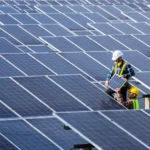
Industrial Solar Plants with Diesel Generator Backup: What You Need to Know
Many industries in Delhi/NCR (Kundali, Sonipat, Faridabad, Bahudargarh, Manesar, Bawal, Ghaziabad, Greater Noida etc) have to still depend on the Diesel Generator sets for running factories for few hours daily. What happens if the discom supply is disrupted during the sunny hours when the sun is still out generating the power?
Grid tied solar plants or On-grid solar systems will run when the Discom power is available as the solar inverters have in built feature which commands the solar system to generate power when it can sense that the supply is available from other sources. Such a feature is built in solar inverters as the solar power is an intermittent source of electricity supply which provides variable output depending on the solar intensity at that moment. Hence if suddenly the clouds cover the sun, the solar generation will dip making the system unstable.
Therefore, solar has to always run in conjunction with any other dependable and stable source of supply like Discom power, DG power or the batteries.
Rooftop Solar with DG
As the batteries are quite expensive and need to be replaced periodically, most factories depend on the DGs for the back up power. Solar can be connected to the DG panel directly as it is connected to the LT panel of the Discom supply in the factories. Certain protections require to be built in based on the DG sizing however. Also, the factory load that can be served by solar should never be more than the DG supply which means that the primary supply source will always remain the DG.
So, the size of solar plant cannot be more than that of the DG size as the solar alone cannot take the factory or plant’s load.
Solar will help to reduce the diesel consumption during the DG hours as the DG will run at lower loads and even idle loads depending on the system design. For the system to work smoothly, if there are multiple DGs, they should be synchronized (manually or automatically) before they are put in sync with the rooftop solar system.
Suggested Articles

Renewable Energy Hits New Heights: 440 GW Capacity in 2023
Learn how global renewable energy capacity is set to surpass 440 GW in 2023, marking record growth and a major shift toward clean, sustainable power.
Solar System for FMCG Industry: Cost, Benefits, Installation & ROI in India
A complete guide on solar systems for the FMCG industry in India covering installation cost, benefits, ROI, system sizing, and the installation process.

Complete Guide to Solar Panel Subsidy Scheme in Haryana
Solar power is not only less expensive, but it is also the most abundant source of clean energy.
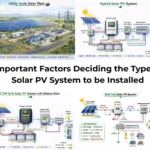
Important Factors Deciding the Type of Solar PV System to be Installed
A solar site assessment helps installers evaluate location, shading, structure, and energy requirements before installation. This guide explains the essential steps for accurate solar system planning.
How to Maintain Solar Power System for Homes, Industries & Commercial Buildings
A solar power generating system converts sunlight into electricity for residential, industrial, and commercial use. This blog explains the components, working, and benefits of solar systems, helping you understand how to harness solar energy efficiently and sustainably.

CAPEX or OPEX? How to Choose the Best Solar Ownership Model
Choosing between the CAPEX and OPEX models can greatly impact your solar savings and ownership benefits. This guide explains both models to help you make the right decision.

Identification of Solar PV Installation Tools and Their Applications
Solar PV installation requires various tools and equipment for safe and efficient system setup. This guide explains the essential tools used by solar installers and their functions.
China’s Solar Industry Poised for Continued Growth in 2023 and Beyond
China’s solar industry is set for continued growth in 2023 and beyond, driving global renewable energy expansion and technological advancements.