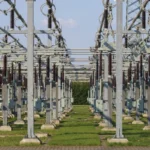
Solar power adoption in Indore is rising rapidly, driven by progressive state policies, low solar energy installation cost, and increasing awareness about renewable energy and solar energy. A 500 kW solar power plant in MP offers businesses, institutions, and industries an excellent opportunity to reduce energy expenses while contributing to a greener tomorrow.
At Smart Roof Solar, we design and execute reliable, cost-efficient solar systems that lower your solar installation charges and deliver maximum generation efficiency.
What is a 500 kW Solar Power Plant?
A 500 kW solar plant is a high-capacity setup capable of generating substantial solar electricity to power large commercial or industrial facilities.
On average, such a system can produce 6-7.5 lakh kWh of energy annually, depending on location and irradiation.
This makes it ideal for large-scale applications such as manufacturing units, educational institutions, cold storages, and hospitals that aim to cut down grid dependence and save on long-term power costs.
500 kW Solar Power Plant Cost in Indore
The solar energy installation cost for a 500 kW system in Indore depends on factors such as module type, inverter brand, structure, and cable quality. Below is an editable cost table that you can update with your internal rates:
Capacity | Estimated Cost (excluding GST) |
500 kW in Indore | Starting from ₹1,30,00,000* |
600 kW in Indore | Starting from ₹1,56,00,000* |
700 kW in Indore | Starting from ₹1,82,00,000* |
800 kW in Indore | Starting from ₹2,08,00,000* |
*Prices quoted are indicative starting rates for the above mentioned solar installations may vary based on project-specific requirements, including ground mount or tin-shed structures, RC installation types, additional accessories like DG sync, safety rails, etc. Final pricing will be confirmed upon detailed site evaluation and project scope assessment.
Typically, the total cost of solar installation for a 500 kW project in MP ranges between ₹1.7 crore and ₹2.2 crore, depending on design and brand preferences.
In large projects, your solar installation cost per kWh is much lower, and the cost of solar per kWh installed can drop to ₹3.5-₹4 over the system’s lifetime, making it a highly economical renewable solar investment.
Power Generation & Payback Period
With MP’s high solar potential (around 5.5 kWh/m²/day), a 500 kW solar system can generate around 7 lakh units annually.
If your electricity tariff averages ₹8-₹10 per unit, you save ₹56-₹70 lakh annually, achieving a payback period of 3-5 years.
After this, your electricity is nearly free for the next 20-25 years, a huge advantage compared to rising grid tariffs. This demonstrates how making solar energy economical is not just a slogan but a proven fact.
Factors Affecting Solar Panel System Cost
When planning a large solar plant, understanding what drives the solar panel system cost helps you optimise your investment.
1. Component Quality
A-grade modules and branded inverters may cost more upfront but reduce long-term losses.
2. Design Efficiency
Proper cable sizing and layout minimise loss and lower solar installation charges.
3. Mounting Type
Ground-mounted or elevated roofs affect solar panel area per kW and total expenditure.
4. O&M Services
Regular cleaning and monitoring ensure steady output, protecting your solar electricity yield.
5. Financing & Payback
Availability of low-interest loans or net-metering benefits reduces the effective solar installation cost per kWh.
Ideal Users of a 500 kW Solar Plant in Indore
- Industrial units and MSMEs with captive load requirements
- Educational campuses and hospitals
- Government buildings with large rooftops
- Hotels, malls, and manufacturing warehouses
Each of these consumers can use solar energy to cut down on their home roof solar panels cost, boost sustainability, and qualify under government solar subsidy schemes for smaller connected systems on the same premises.
Example of Financial Return
A typical 500 kW solar plant in MP can:
- Generate ~7 lakh kWh/year
- Offset 600 tonnes of CO₂ per year
- Deliver an IRR above 18% and break even within 4 years
This clearly proves the long-term benefit of adopting renewable energy technology.
Why Choose Smart Roof Solar
At Smart Roof Solar, we bring 360° expertise to solar energy installation, from design and subsidy assistance to execution and after-sales service.
When you partner with us, you get:
- Transparent breakdown of solar installation charges and solar module price per watt
- Site assessment to optimise solar panel in rooftop placement
- End-to-end compliance with MPUVNL norms
- Long-term O&M support for system reliability
- Affordable packages to keep the cost of solar panels realistic and sustainable
Our goal is simple, making solar energy economical for every business in Indore.
Conclusion
A 500 kW solar power plant in Indore offers a strong business case, with high generation, shorter payback, and supportive policies. From reduced solar roof installation cost to long-term energy independence, solar remains the smartest energy move in 2025.
If you’re looking to install a large-scale solar system, connect with Smart Roof Solar today. We’ll help you calculate your solar installation cost per kWh, design the right layout, and ensure your project delivers maximum returns.
FAQs
Q1. Does a 500 kW solar plant qualify for government subsidies?
Ans: Generally, large commercial projects don’t get subsidies, but smaller systems on the same premises might.
Q2. What is the maintenance cost of a 500 kW solar system?
Ans: Annual maintenance typically costs 1-1.5% of the total project value.
Q3. Can solar help businesses achieve ESG or CSR goals?
Ans: Absolutely, it reduces carbon footprint and enhances sustainability reporting.
Q4. Are there tax benefits for installing solar in MP?
Ans: Businesses can claim accelerated depreciation benefits under current tax rules.
Q5. How reliable is solar power compared to grid supply?
Ans: Solar provides consistent daytime power and reduces dependency on unstable grids.