For medium to large industries, electricity is one of the biggest operational expenses. Rising power tariffs, demand charges, and dependency on the grid directly impact production cost and profitability. This is why many industrial units across India are now shifting to 500 kW solar power plants to secure long-term, low-cost, and clean electricity.
A 500 kW solar system is considered an ideal capacity for factories, warehouses, cold storages, food processing units, textile mills, and manufacturing plants that have high daytime power consumption. It helps industries reduce their electricity bills, stabilize power costs, and move toward renewable energy adoption.
What Is a 500 kW Solar Power Plant for Industries?
A 500 kW solar plant is a medium-scale solar installation capable of generating a large amount of electricity every day. It can be installed as:
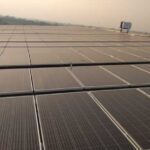
- Rooftop solar on factory sheds
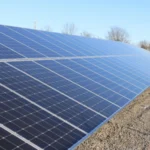
- Ground-mounted solar within industrial premises
- Captive solar plants for dedicated industrial loads
Such a system is designed to directly supply solar electricity to industrial equipment, machinery, lighting, and auxiliary loads, significantly lowering grid power consumption.
How Much Area Is Required for a 500 kW Solar Plant?
The land or roof area required depends on panel efficiency and mounting structure. On average:
- Rooftop systems require large, shadow-free industrial sheds
- Ground-mounted plants need open land near the facility
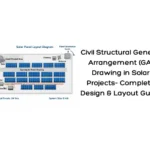
Area planning is important because it affects layout, cable routing, structural cost, and maintenance access. Professional design ensures optimal space utilization, better ventilation, and higher energy generation.
Power Generation from a 500 kW Solar System
A 500 kW industrial solar plant can typically generate:
- Strong daytime power output
- Substantial monthly energy savings
- Long-term stability against electricity price hikes
Actual generation depends on:
- Location and solar irradiation
- Panel technology
- Tilt and orientation
- Shading conditions
- Maintenance quality
Industries with continuous daytime operations benefit the most, as most of the power generated is consumed directly.
Cost Considerations for a 500 kW Industrial Solar Plant
The total cost of a 500 kW solar plant includes:
- Solar panels
- Inverters
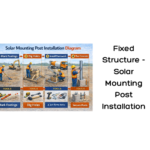
- Mounting structures
- DC and AC cabling
- Safety and protection systems
- Installation and commissioning
- Net metering or synchronization equipment
Industrial solar plant cost varies based on component quality, system design, and site conditions. While the upfront investment is significant, industries usually achieve faster payback because of high electricity usage.
Financial Benefits of 500 kW Solar for Industries
Installing a 500 kW solar plant allows industries to:
- Cut electricity bills drastically
- Hedge against tariff increases
- Improve operating margins
- Achieve faster ROI
- Enhance asset value
Over the plant’s 25+ year lifespan, the cost of solar electricity becomes far lower than grid power, supporting long-term business sustainability.
Operational Benefits for Industrial Users
Beyond financial savings, 500 kW solar systems offer operational advantages:
- Reliable daytime power
- Reduced grid dependency
- Lower peak demand charges
- Better power planning
- Positive environmental impact
Solar plants also support corporate sustainability goals, green certifications, and ESG compliance.
Government Policies and Industrial Solar
While direct capital subsidies are generally not available for industrial plants, industries benefit from:
-
- Net metering or captive consumption policies
- Accelerated depreciation
- Open access options
- Renewable purchase obligation compliance
These policies make large-scale solar more financially attractive for industrial consumers.
Key Factors Before Installing a 500 kW Solar Plant
Industries should evaluate:
- Roof or land suitability
- Structural strength
- Electrical infrastructure
- Load profile and shift timing
- Regulatory approvals
- Operation and maintenance plans
Professional feasibility studies help avoid design errors and ensure optimal long-term performance.
Why Engineering and O&M Matter
For large plants, performance depends heavily on:
- Quality of installation
- Proper cable management
- Efficient inverter configuration
- Regular cleaning
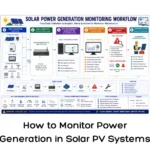
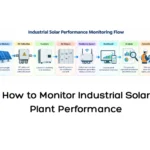
- Continuous monitoring
A well-maintained industrial solar plant consistently delivers higher output and protects the business investment.
Conclusion
A 500 kW solar plant is a powerful energy solution for industries aiming to reduce costs, stabilize power supply, and move toward renewable operations. It offers strong financial returns, operational reliability, and long-term sustainability.
At Smart Roof Solar, we provide complete industrial solar solutions, from feasibility and design to installation, monitoring, and long-term O&M, ensuring every 500 kW plant delivers high performance, safety, and consistent energy savings.
FAQs
Q1. Is a 500 kW solar plant suitable for 24-hour industries?
Ans: Yes, it can reduce daytime consumption significantly, while night loads remain grid-supported.
Q2. Can multiple factories share one 500 kW solar plant?
Ans: Yes, under group captive or open access models, subject to regulations.
Q3. Can industries get bank loans for 500 kW solar plants?
Ans: Yes, many banks and NBFCs offer renewable energy financing for industrial projects.
Q4. Does installing solar help industries meet ESG goals?
Ans: Yes, it significantly improves sustainability ratings and regulatory compliance.
Q5. Can industries install 500 kW solar without owning land?
Ans: Yes, through rooftop installations or off-site captive/open access solar plants.