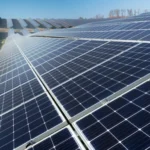
Solar Energy for Petrol Pumps: Benefits, Savings, and Implementation
Why Petrol Pumps Should Switch to Solar Energy
Over 50,000 Petrol Pump stations in the country require electricity to run their Petrol Pumps and are paying heavy tariff charges to DISCOMs. Many of the petrol pump owners are also using diesel generators in areas where there are power cuts.
Requirements for Solar installation for Petrol Pumps
Solar PV Rooftop power plant can be environment friendly and economical viable solution for Petrol Pump owners. When we look around at various Petrol Pumps in Delhi NCR, Haryana and Uttar Pradesh, most of them have ample shadow free rooftop space available which is unused, which is the first requirement for setting up a Solar Rooftop power plant.
Roughly,”10 sq. m” shadow free area is required to install “1 kWp” Solar PV rooftop power plant. Petrol Pump owners can utilize the rooftop space available on their Petrol Pumps to install Solar PV Rooftop power plants and generate their own electricity. With the increasing tariff rates of Electricity from DISCOMs and reducing rates of Solar PV panels, it makes a lots of business sense for going towards solar generation.
Top Benefits of Solar installation for Petrol Pumps
Our team surveyed few Petrol Pumps owner in West Delhi. Further we have discussed few queries and concern issues raised by them and few of our observations. The very first question was on the benefits if they adopt Solar Generation. Few benefits we discussed are as follows:
- Reduction in Electricity Bills
- Tax benefits of 80% Accelerated Depreciation in first year.
- Short Payback period.
- Viable Use of Rooftop Space Available
- Eco friendly
How Solar installation for Petrol Pumps works
Next question that arose was “Do we require any storage with Solar PV Power plant? What will happen if there is cloudy or rainy season?” We told them that in areas where the power cuts or outages are very few (like Delhi), it is advisable to install the Grid-Connected Solar PV Rooftop system without battery backup. Instead the Petrol Pumps should take Net Metering facility.
In this system, Petrol Pumps will take power from the Solar PV Rooftop system when the sunlight is available and when sunlight is not available it will take power from the DISCOM/Grid. On a monthly basis, the number of units generated from the solar solution would be reduced from the number of Units consumed as per the Electricity bill.
Only the new Units would be charged to the consumers by the Discoms under the Net metering facility. Petrol Pumps fall under the category of commercial users and the variable tariff for the same in Delhi is around Rs. 10.83 / kWh. So, a 20 kWp Solar PV Rooftop system will produce approximate 31,000 units of electricity annually which can save roughly around Rs. 3.3 Lac per annum.
Safety of Solar installation for Petrol Pumps
We were further told about the safety aspects needed to be followed at the petrol pumps. For example the welding required for mounting the solar panel structures cannot be taken up at the petrol pump. The possible solution could be to take up the soldering of the mounting structures at a faraway place from the petrol pump, and then the welded structure can be placed at the rooftop of the petrol pump.
Case Studies & Real-Life Examples of solar installation for petrol pumps
One of the petrol pumps that we visited had two potential sites for the Solar PV System installation. First one was the Shed of Petrol Pump having shadow free area of approximate 250 sq. m where 25 kWp can be installed. Second one was the roof of the office with shadow free area of approximate 100 sq. m which can have a solar installation of around 10 kWp.
We suggested the petrol pump owner to consider to installing Solar PV rooftop system in phases. In the first phase they can go for 10 kWp system at the office rooftop, and can learn more about the solar energy in the process. Once they themselves can see the benefits of the Solar PV Installation, they can go ahead to the next phase with a 20-25 kWp Solar PV system at petrol pump sheds.
Conclusion
Clearly, there are issues that are specific to the Petrol Pumps. However, none of them are unsurmountable. On the other hand, there are significant benefits and savings that the petrol pumps can take by installing solar.
Suggested Articles

What is MPPT in a Solar System? Meaning, Working & Benefits
Solar radiation on a tilted surface directly affects how much energy a solar panel produces. Learn why tilt angle matters and how it impacts solar output.

Solar Panel Orientation and Angles: Guide for Solar PV Installers
Earthing and lightning protection are critical safety components in solar PV installations. This guide explains their importance, types, components, and best practices for solar installers.
Understanding Solar Battery Specifications: Capacity, Voltage & Efficiency Explained
Solar batteries are essential for energy storage and backup in PV systems. This guide explains key specifications like capacity, voltage, efficiency, and depth of discharge to help you choose the right battery.
PV Cable & Conduit Labeling Guide: Best Practices for Solar Installations
A complete guide to cable termination in solar installations, including tools, step-by-step methods, and best practices for safe connections.
Everything you Need to Know about Bifacial Solar Panels technology
Learn how bifacial solar panels capture sunlight on both sides, boosting energy efficiency and maximizing solar power generation for homes and businesses.
Everything You Need to Know About Solar System Earthing
Power factor after solar installation often fluctuates due to system design and load patterns. Learn the key causes, challenges, and solutions for better efficiency.

Difference Between Inverter and Solar Inverter: A Complete Comparison
Confused between an inverter and a solar inverter? This guide explains their key differences, working principles, advantages, and which option is best for your home or business.

Solar PV AC Power Hazards Guide
A complete guide to identifying AC power hazards in solar PV systems and following safe work practices during installation, testing, operation, and maintenance.
Solar for Commercial Buildings in India: Costs, Benefits & ROI Explained
Solar for commercial buildings in India is becoming the smartest way to cut electricity bills and increase energy independence. This guide explains system costs, benefits, ROI, and how solar power helps offices, malls, hotels, and commercial complexes become more sustainable and profitable.
Solar Inverter Specifications Explained: How to Read Datasheets & Choose the Right Inverter
Choosing the right solar inverter is critical for system performance and safety. This guide explains how to read inverter datasheets, understand key specifications, and select the best inverter for your solar project.