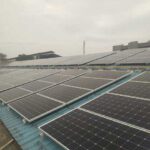
Complete Guide to Rooftop Solar Components for Industries
Apart from the solar panels, there are a number of components that make the rooftop solar system to be installed at factories and industries.
Rooftop Solar System Components
Solar Inverters
Solar Inverters are the most important component after the solar panels which need to be properly selected and installed for rooftop solar systems. Most industries in Delhi and NCR (Faridabad, Kundali, Panipat, Sonipat, Ghaziabad, Manesar, Noida, Neemrana etc) have opted for strong brand names for the inverters that would include ABB, Huawei, SMA, Delta, Waaree etc.
The Inverters are available with a warranty of 5 years though the extended warranty of another 5 years can be available by paying a bit extra. Quality of Inverters matter significantly in generating higher power from the same level of solar generation provided by the Solar panels. More number of MPPTs (Maximum Power Point Tracker) generally help to increase the reliability of the solar system and provide better generation.
Solar Mounting Structure
The structure for mounting the Solar Panels is an important part of the system. The strength of the structure should be such that they can bear a wind speed of 180 kms per hour. Typically, the structure should be designed and tested on the design software like STAAD.PRO to check their suitability for the given height and weight. As the height of structure increases, the wind pressure increases.
Recently in places like Alwar, many solar panels flew away due to poor quality of structure. Consumers should be careful in selecting the structure as the flying panels can not only damage the system but also can cause serious accidents.
DC Cables
DC cables should be used for interconnecting the solar panels. Practices have been noticed where in the vendors tend to connect the panels by the AC cables which increases the generation losses.
AC Cables
AC cables are cheaper and can help to reduce the capital cost in short term but will be expensive due to mounting losses. Ideally the DC cables should only be utilized to connect the solar panels to the Inverters.
AC cables of right size should be used to connect the Inverters to the AC junction boxes or the LT Panel of Discom. Sizing of the cable is important to reduce the losses.
Solar Earthing
Earthing of the system is important for the safe operations. Earthing strip and wires need to be connected to all the key electrical components.
Lightening Arrestors
Lightening Arrestors (LA) are required to safeguard the system against any weather lightening and should be installed based on the system size.
Generation Monitoring System
Remote monitoring of the generation should be provided to continuously check the health of system.
Water Pipe
Water piping system should ideally be designed to provide the water supply for periodic cleaning of the panels which will help to increase the generation.
Suggested Articles

Delhi Jal Board Solar Project: A Step Towards Sustainable Energy
Delhi Jal Board has embraced solar power, becoming a leader in renewable energy adoption. This initiative highlights the benefits of solar energy, including cost savings, sustainability, and promoting clean energy practices in institutional operations.
Blame it on Sun! Average Solar PLFs not satisfactory
Explore the reasons behind low average Solar PLFs, from environmental factors to system design, and learn strategies to boost solar plant performance

Complete Guide to Solar Panel Subsidy Scheme in Haryana
Solar power is not only less expensive, but it is also the most abundant source of clean energy.
How to Choose Solar Panel Mounting Structures for Home, Industry & Commercial Installations
Choosing the right mounting structure is crucial for solar panel efficiency and durability. This blog explains various types of mounting structures for residential, industrial, and commercial solar installations, including rooftop, ground-mounted, and hybrid systems, to help you make an informed decision.
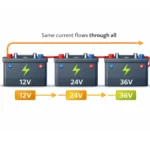
Series Connection of PV Modules – Effect on Voltage and Current
Connecting PV modules in series is a common practice in solar installations. This guide explains how series connections affect voltage and current and why they are used in solar PV systems.
What Is an Array Junction Box in Solar PV Modules? | Complete Guide
The Array Junction Box (AJB) is a critical component in solar PV systems, connecting multiple solar modules and ensuring safe flow of electricity to the inverter. This blog explains what an AJB is, its key features, types, and why it is essential for both residential and commercial solar installations. Understand how AJBs protect your system from overload, short circuits, and environmental factors while maintaining optimal performance.
Solar PV Maximum Working Voltage: Limits & Design Guide
A complete guide to maximum working voltage in solar PV systems, covering limits, calculations, and key design considerations.
How to Perform Cable Continuity Tests in Solar PV Systems
A complete guide to cable continuity testing for solar PV systems, ensuring safe, reliable, and properly connected electrical installations.