Poor vs Good Solar Installation: Key Differences Explained
Good Solar Installation
Solar Panels:
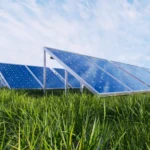
A lot of duplicate panels , used in solar power plant for generating solar energy for home/industrial/commercial roof top or ground mounted ,are available in the market and cheaper solutions use the same. In absence of customer knowledge on the subject they are taken for a ride . To avoid malpractice , customers should insist on seeing the panel sl no via a RFID reader , which we are sure the vendor should have . And if some vendor says that he does not have a RFID reader then please avoid getting systems installed by such vendors.
Design based on proper survey:
Avoiding inter row shadows and other shadows , even if size of the plant reduces.It is observed that in many cases the owner decides that he wants XXX KWp solar plant and at actual site XXX installation is not feasible but even then a lot of installers install XXX by reducing inter row gap resulting in lower generation of power.
Array Design:
Arrays should be designed taking into consideration the max and min voltage expected and input voltage permissible for the particular inverter used at site.
Cables:
Proper cables should be used tinned cu solar cables for DC side and Cu cables for AC side. If vendor uses Cu cables on DC side also then there may be no immediate effect but in due course of time generation will be effected.
Structure:
Now a days a lot of vendors are using pre galvanized sheets for fabrication of structure, which is not desirable. In fact the structure should be fabricated with MS and then hot dip galvanization should be resorted to for longevity of structure life. Even with pre Gal sheet there will be no immediate impact on performance but 5-7 yrs down the line it will get rusted and may break leading to accident.
Earthings:
There should be minimum two earthings , separately for DC and AC networks.
LA:
LA is must because solar panels are prone to attract lightening.
Protections:
Unless otherwise AC and DC side protections are installed either in ACDB/AJB/Inverters , one should not commission the solar plant. There are various models of inverters of the same capacity. Cheaper ones do not have protections and they need to be provided in AJB/ACDB’s . One needs to be careful .Cost of SPD’s are significant and vendors tend to avoid the same either out of ignorance or for cost considerations.
Data Monitoring:
Generation from your plant needs to be monitored and vendors are supposed to be monitoring the same. Customer before placing order should insist on seeing the control centers of the vendors and if the vendors does not have such a control center then avoid doing business with such players.
Suggested Articles

Delhi Jal Board Solar Project: A Step Towards Sustainable Energy
Delhi Jal Board has embraced solar power, becoming a leader in renewable energy adoption. This initiative highlights the benefits of solar energy, including cost savings, sustainability, and promoting clean energy practices in institutional operations.

How a String Monitoring Box Works in Residential Solar Systems
Understand how a string monitoring box helps track and protect your home solar panels for maximum efficiency and safety

Solar Rooftop Projects: Benefits of Intentional Islanding for Power Backup
Discover the role of intentional islanding in solar rooftop projects. Ensure continuous power supply, system safety, and reliable energy even during grid failures.

What is MPPT in a Solar System? Meaning, Working & Benefits
Solar radiation on a tilted surface directly affects how much energy a solar panel produces. Learn why tilt angle matters and how it impacts solar output.

Selecting Solar Panels: Best Guide for Homes and Factories
Solar panels are a hot topic these days, as the cost of solar is finally approaching what the average family can afford.

Can Solar Systems Support Industrial Motors and Machines? A Complete Guide
Discover how using solar for heavy machines can power industrial equipment reliably and cost-effectively for greener operations.

Solar Microgrids: All you need to know
Discover how solar batteries store excess energy, maximize your solar system’s efficiency, and provide reliable power during outages. Learn about the types, benefits, lifespan, and maintenance tips to make the most of your solar investment.

What Is Solar Performance Ratio (PR)? Meaning, Formula & Importance
Solar Performance Ratio (PR) is a key indicator of how efficiently a solar power system converts available sunlight into usable electricity. This guide explains what PR is, how it is calculated, why it matters, and how it directly impacts your solar system’s actual energy output.