What is Net Metering?
Today, all solar systems are tied to the grid. Solar energy owners who add power to the grid are given credits under the net metering system. In other words, if a solar-powered homeowner generates more electricity than they use, the excess goes back to their utility company, spinning the meter backward and giving them a credit for the extra electricity generated by the solar panel system.
How does Net Metering work?
When producing more electricity than is required at the site, the solar power systems send excess electricity back to the utility grid through the power meter, reversing the meter from its normal direction. They are connected to the utility grid via the customer’s main service panel and meter.
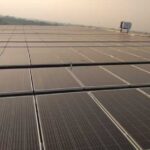
If a residential customer has a solar panel system on the home’s rooftop, it may generate more electricity than the home uses during daylight hours. If the customer’s house uses the net metering system, the electricity meter will run backward to provide a credit against what electricity is consumed at night or other periods where the home’s electricity use exceeds the system’s output. For example, if you produce 10 kWh of extra electricity, you will have 10 kWh worth of net metering credit which you can use to offset your usage later.
With the seasonality of sunlight, you can generate enough net solar metering credits during the summer months to offset your future electricity bills during the winter months when there is less daylight available.
Benefits of Net Metering
The net metering policy increases the user’s appeal and affordability of solar energy. Here are a few advantages of the net metering policy:
Lower bills
Thanks to net metering, you do not have to worry about your monthly electricity bills. Most solar customers create more energy than they can need during the hours of sunlight. This excess is exported to the grid, which lowers power costs. with electricity prices on the rise every year, it is also an investment in energy price stability for the future.
Speed up your payback period
The time it takes for the savings from solar to equal the initial cost of installing that solar is known as the solar payback period. Once your payback period is through and the initial investment is recovered, any additional electricity generated is free Net metering helps shorten your payback term by increasing your overall savings.
No need for batteries
While storage batteries are a great addition to many homes, they also have some drawbacks. Battery storage is an investment in your home and requires occasional maintenance, to ensure it is working and storing power to its full capacity. In net metering, your excess solar energy is stored by the grid, which functions as a sizable bank. You can use this excess energy when you do not have enough.
Reducing stress on the grid
Energy consumption is higher than ever, which is putting more strain on the power grid. Power outages are occurring more frequently and during peak hours because utility companies are unable to keep up with demand. Because you only draw power at night when you have your own energy-generating solar power system, you put less load on the grid. Additionally, by using net metering, you’re returning electricity to the grid for use by other customers who don’t have solar panels, lowering the system’s overall reliance on fossil fuels, which are becoming scarcer.
No maintenance
Solar modules and an inverter are the two main parts of a grid-tied net metering system. Solar modules generate electricity and the inverter transforms the DC power from the solar panels into the typical AC power generated by the utility. Because there are no moving parts in either of these two, maintenance is minimal.
Challenges of Net Metering
Although many Indian states have adopted net metering laws, there are still restrictions and limitations in some areas. A cap on the size of the solar plant that may be used under net metering is present in most states, and some states do not permit net metering for HT electricity customers, or large power off-takers. There is a lot of unused space on the roofs of many enterprises that may be used for solar farms. However, only a few people do so because of unfavorable net-metering regulations.
Future of Net Metering
Solar energy’s overall advantage is a greener planet, but the sector will expand immensely if progressive net-metering rules are implemented. In order to meet the 40 GW solar objective by 2022, the union government must find better ways to apply the net-metering regulatory framework.