

100 kW Solar Power Plant in Indore – Latest Cost, Subsidy & Payback Period
A 100 kW solar plant in Indore costs around ₹40–55 lakh in, offering annual savings of up to ₹10 lakh and a payback period of 4–6 years. Learn about installation, maintenance, and ROI to make your solar investment worthwhile.

Fire Hazard in a Solar Setup at Rice Mill, Kaithal – Case Study and Safety Insights
A recent fire incident at a rice mill in Kaithal highlights the critical importance of safety in solar installations. This case study analyzes the root causes, system faults, and preventive actions that can help industries avoid similar hazards in their solar setups.

Are Solar Panels 12V or 24V? Understanding Solar Panel Voltage Clearly
Solar panel wattage and ratings decide how much electricity you generate. This guide explains panel output, efficiency, and how to choose the right solar panel for your needs.
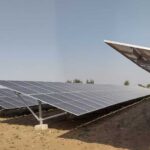
How to Calculate Battery Capacity for Solar Off-Grid Applications
Sizing a solar battery correctly is vital for off-grid performance and energy independence. This guide explains how to calculate battery capacity, choose the right type, and design a balanced off-grid system for uninterrupted power supply.

Complete Guide to Net Metering and Electricity Bill Savings
Learn how net metering lets you sell excess solar energy back to the grid, reducing your electricity bills and maximizing your solar investment.

Net Metering and its Advantages
Net Metering allows solar panel owners to feed excess electricity back to the grid and earn credits, reducing energy bills. Learn the key advantages of net metering for homes and businesses.
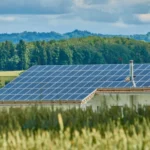
MPPT and PWM: Which Solar Charge Controller Is Better?
MPPT and PWM are the two most common solar charge controllers. This guide explains MPPT and PWM differences, efficiency, cost, and usage.
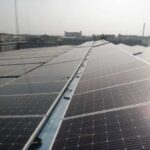
Can Solar Systems Support Industrial Motors and Machines? A Complete Guide
Discover how using solar for heavy machines can power industrial equipment reliably and cost-effectively for greener operations.